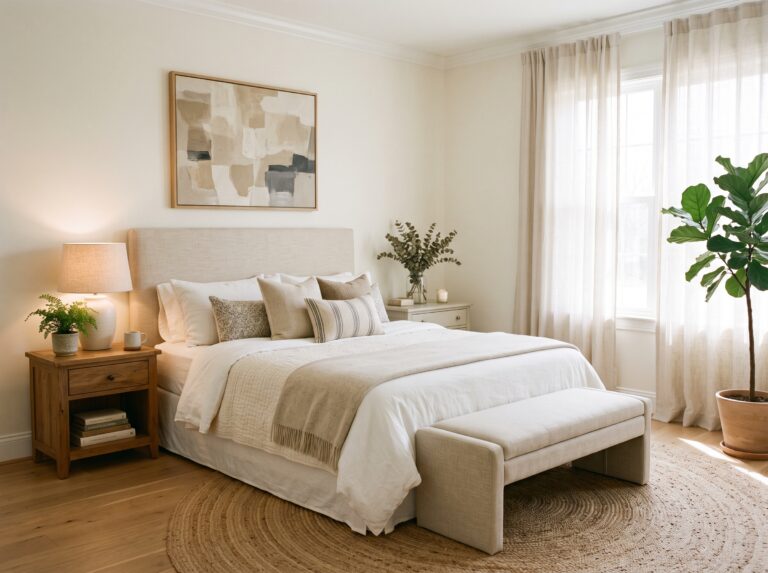
7 Neutral Minimalist Bedroom Ideas for a Calm Retreat
A calm bedroom does not happen by accident. It usually comes down to a handful of choices that quiet everything down: softer colors, less clutter, and furniture that feels like it belongs instead of just filling space.
That is the whole idea behind a neutral minimalist bedroom. Strip away the extra noise and what is left starts to feel like a place to actually rest, not just a place to sleep. Warm beige walls, pale wood furniture, and bedding that feels good against bare skin all work together instead of competing for attention.
None of this requires a full renovation or a big budget. Small shifts, like adding a plant in the corner or swapping harsh overhead light for something softer, can change how a whole room feels within a weekend.
These eight ideas cover the small details that turn an ordinary bedroom into the kind of space people look forward to walking into at the end of the day.
1. Soft Minimalistic Design to Evoke Tranquility and Comfort
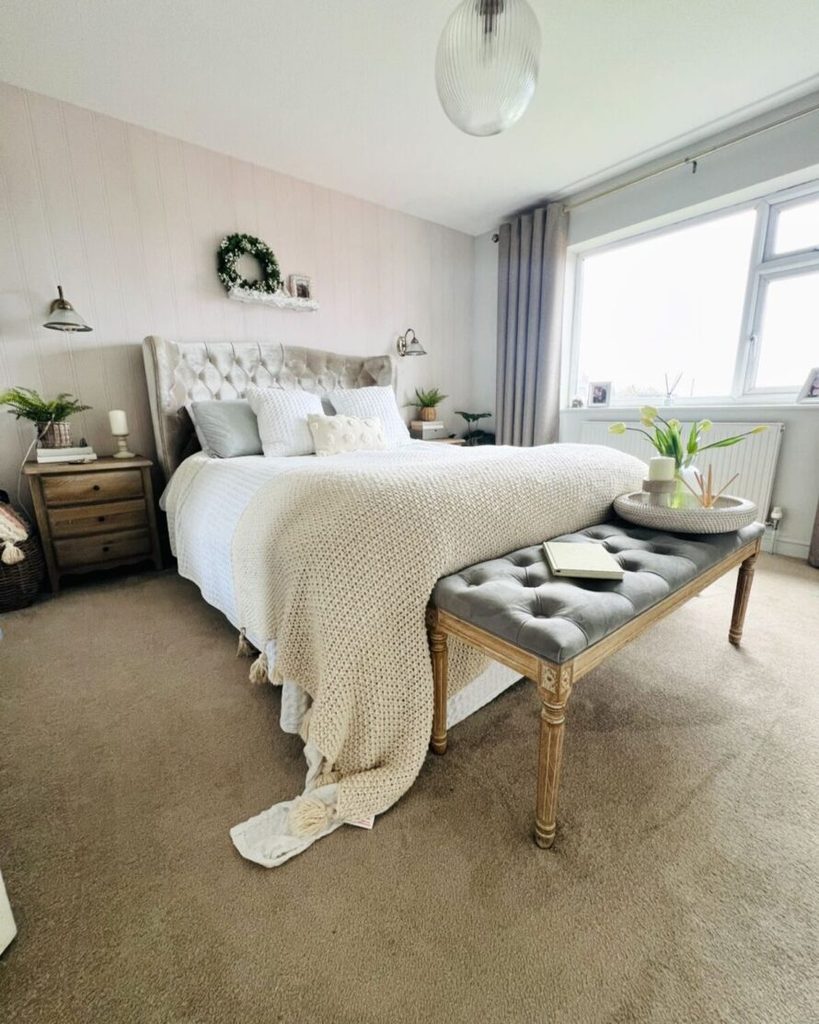
A bedroom does not need a lot of stuff to feel good. It needs the right amount of nothing. That is the whole point of a soft minimalistic layout, where every piece left in the room actually earns its spot.
Think low platform beds, a single woven rug, and open nightstands with just a lamp and a small stack of books. Nothing loud, nothing competing for attention. That empty space around each piece is what makes the room feel like it can breathe, which is exactly why it feels calmer to walk into after a long day at work.
A smart pick for anyone who feels overwhelmed by too much decor.
2. Abundance of Greenery for a Connection with Nature
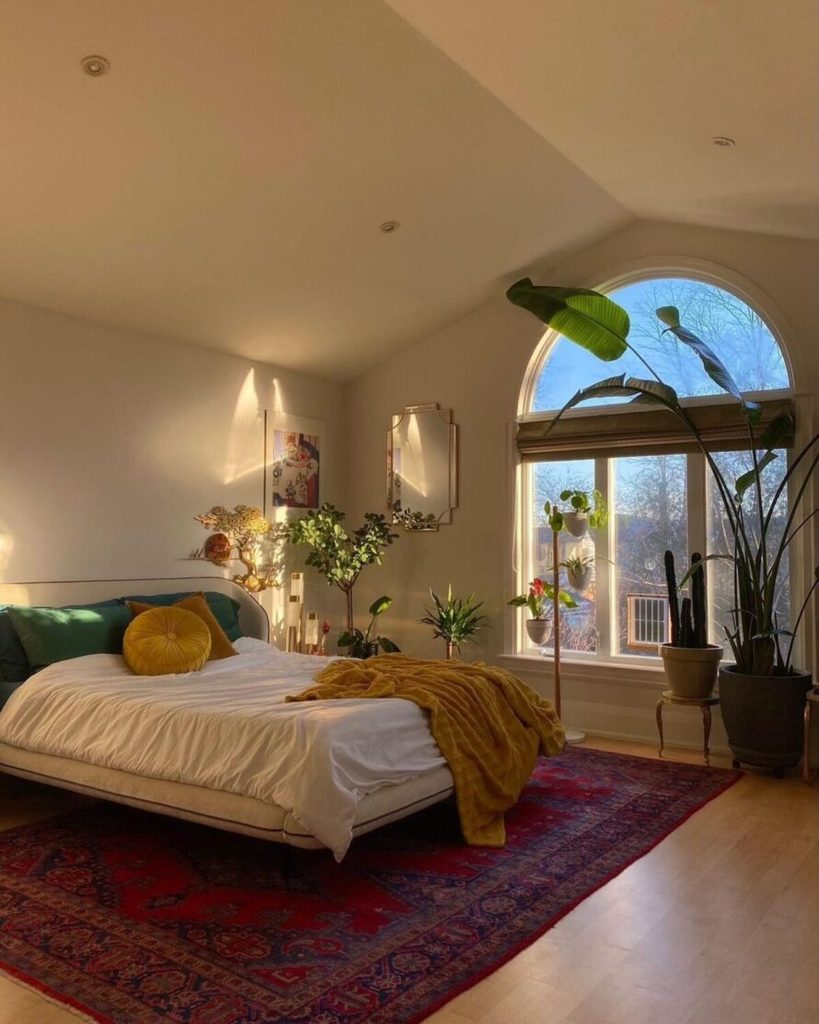
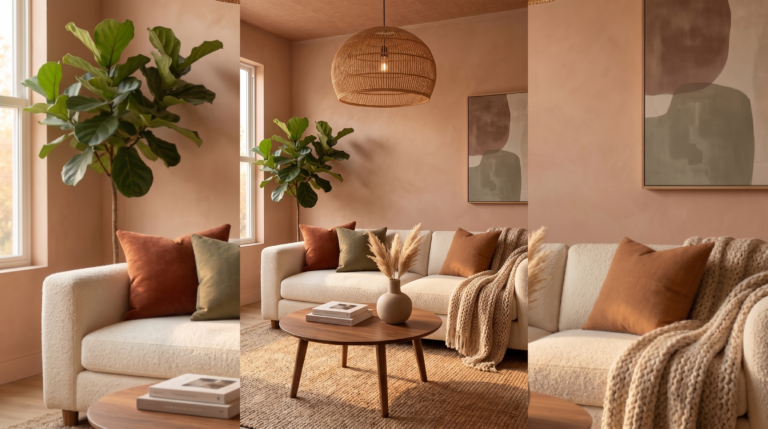
Once the extra stuff clears out, there is finally room for something alive to take over. A tall plant in the corner does more for a bedroom’s mood than most people expect, especially in a space that leans toward stone grays and warm beiges.
A fiddle leaf fig or a tall majesty palm brings height and a bit of wildness into an otherwise quiet room. Smaller pots of pothos or snake plants on the dresser fill gaps without feeling cluttered. That mix of structure and life keeps the room from feeling sterile, and it’s the kind of detail people notice the moment they walk in.
The whole room feels lighter with just one good plant in the right spot.
3. Tranquil Color Palette of Deep Shades for a Comforting Atmosphere
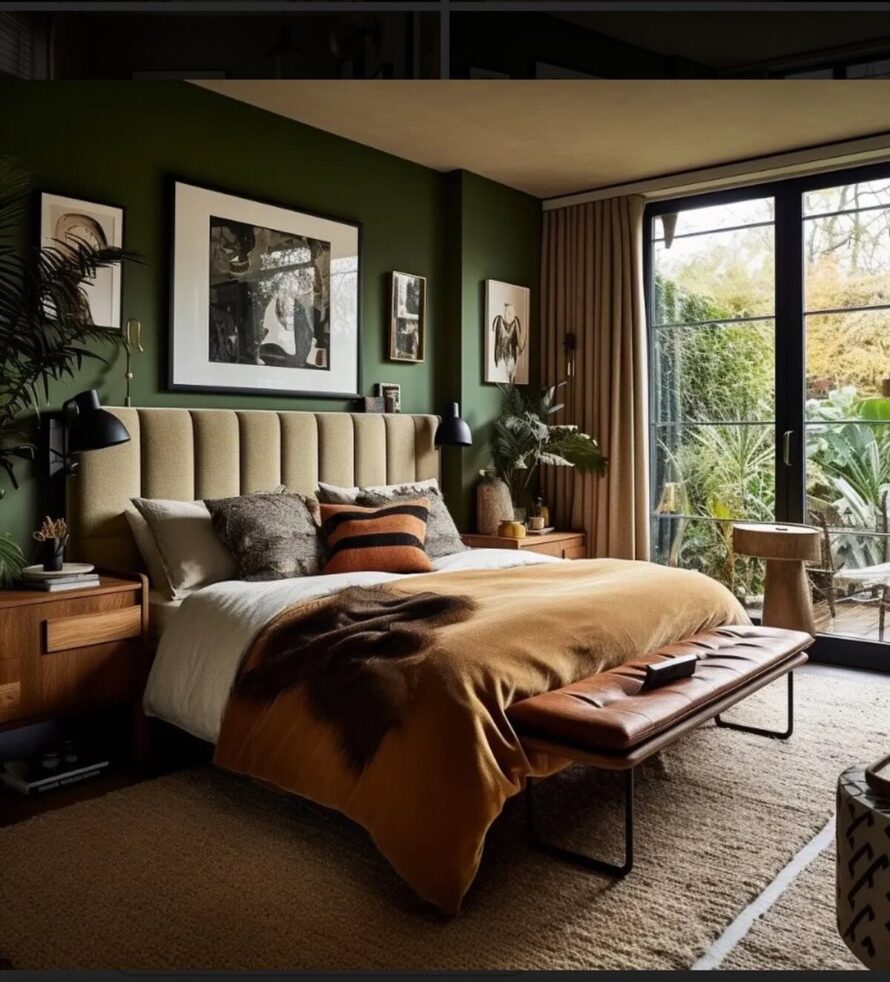
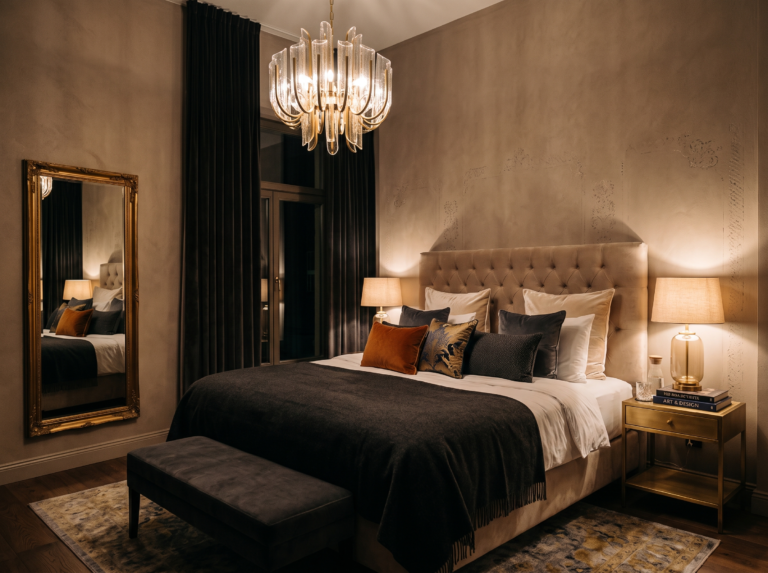
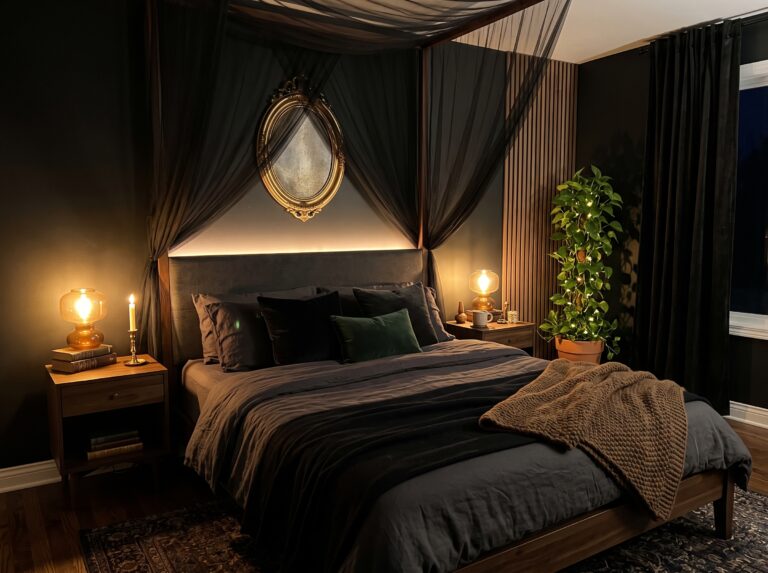
Not every calm bedroom stays pale and airy. Some people find more comfort in color that goes the other direction, deep and grounded instead of light and washed out. A tranquil palette built from richer shades can feel just as restful, sometimes even more so.
Deep green walls or a dark orange accent bring warmth without making the room feel busy. Pair that with wood furniture in a similar tone, and the space starts to feel wrapped up and settled, the kind of room that feels good after dark when only the lamps are on. Soft bedding keeps the deep walls from feeling heavy.
Sometimes the quietest details do the loudest work.
💡 Pro Tip: Test a deep paint color on a large poster board first and move it around the room for 2 to 3 days before committing to a full wall, since lighting changes how dark tones read from morning to night.
4. Art Piece of Serenity for Tranquil Thoughts

That same deep, grounded mood carries over onto the walls, just in a smaller and quieter way. One good piece of art above the bed does more work than people expect, especially when the rest of the room stays simple.
A soft landscape print or an abstract piece in muted tones gives the eye somewhere calm to land before sleep. Hung a little above the headboard, it becomes the one thing the room is decorated around, instead of competing with everything else. That’s the detail people notice first, even if they can’t say why the room feels finished.
A look that stays fresh long after trends move on.
5. Light Colors and Pale Wood Furniture for Enhanced Coziness
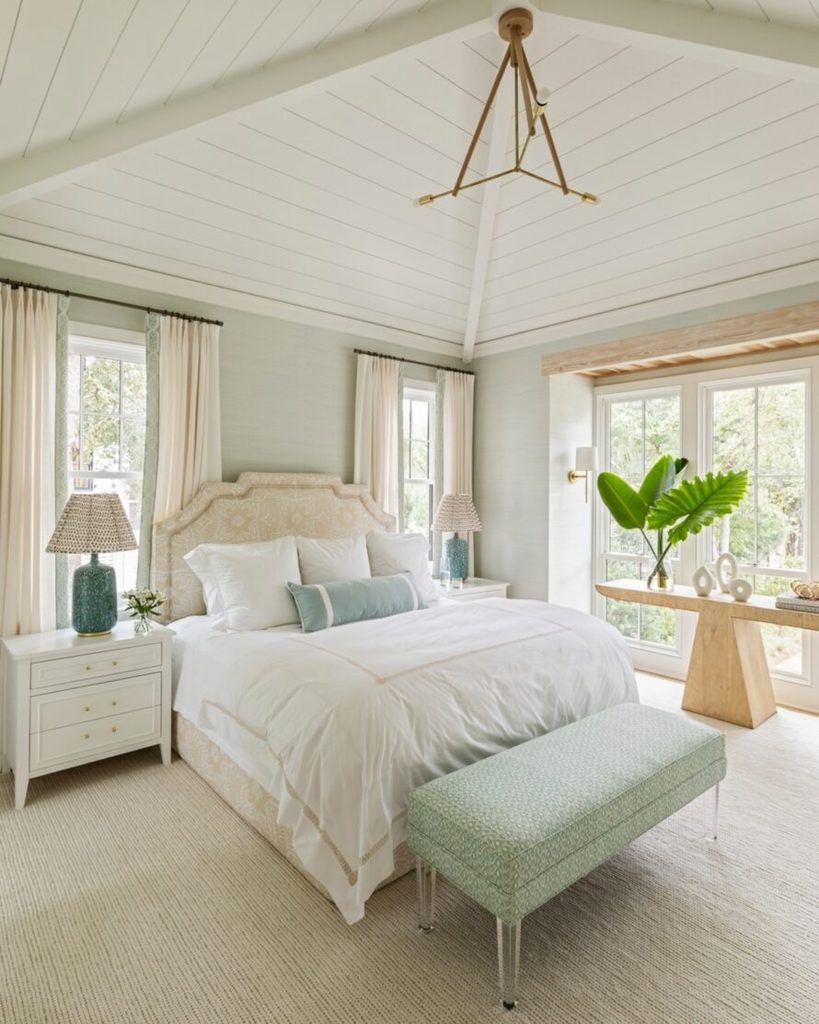
If that deeper, moodier look felt like too much, this direction goes the opposite way. Light colors and pale wood bring the room back to something soft and easy, the kind of setup that feels wide open even in a smaller space.
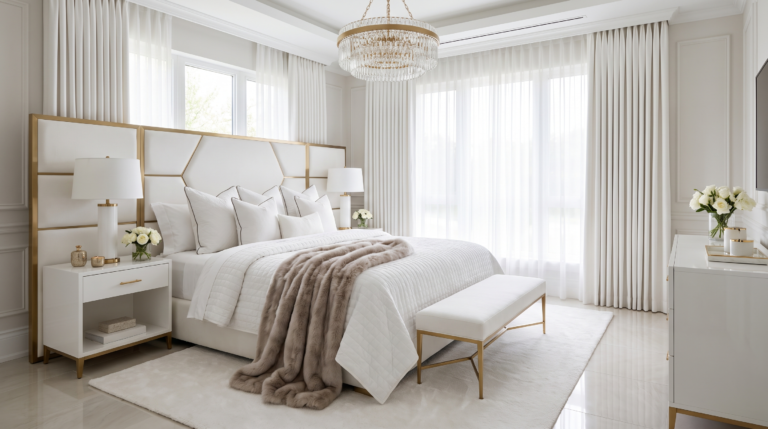
Whitewashed oak or pale ash furniture next to walls in soft cream or light gray keeps everything feeling airy instead of stark. The wood grain adds just enough warmth so the room doesn’t feel cold or empty, which is the balance that makes light color schemes actually work. Nightstands and dressers in matching pale tones keep the whole look connected without trying too hard.
Getting ready in the morning feels a little less rushed in a room this open.
👉 Suggestion: Look for furniture in whitewashed oak, ash, or birch with a matte finish rather than high gloss. Matte pale wood keeps the coziness soft instead of feeling showroom-slick.
RELATED:
ROMANTIC BEDROOM IDEAS FOR A COZY AND INTIMATE RETREAT
6. Soft Bedding Design and Abundance of Decorative Pillows for Enhanced Comfort
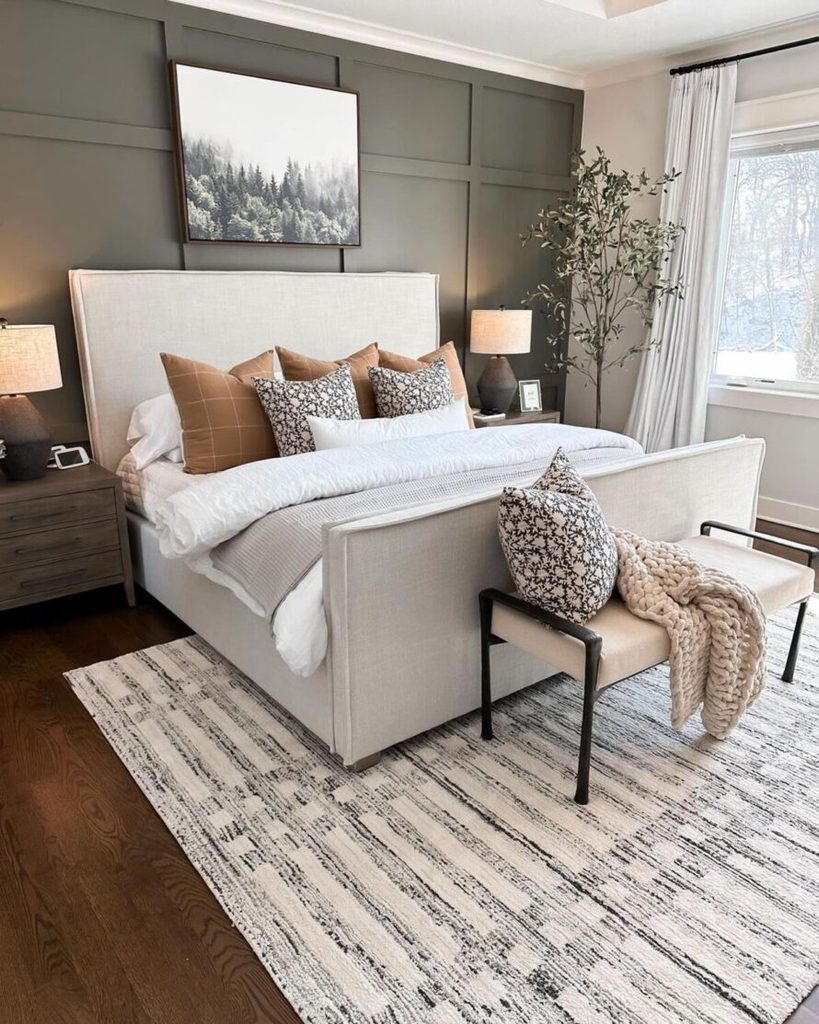
Staying with that same soft, easy feel, the bed itself deserves the same treatment as the walls and furniture around it. A pile of good pillows and bedding with real texture is what turns a bed from something functional into something people actually want to climb into.
Linen or cotton sheets in warm ivory or oat tones feel good against skin and hold up better than anything stiff or shiny. Layer in a few textured pillows, one with subtle embroidery as a focal point, and a lumbar pillow up front to soften the arrangement. That mix of textures keeps a neutral bed from looking flat.
The kind of bed that makes a lazy Sunday morning hard to leave.
7. Neutral-Colored Sofa on the Bed’s Footboard for Practicality and Tranquility
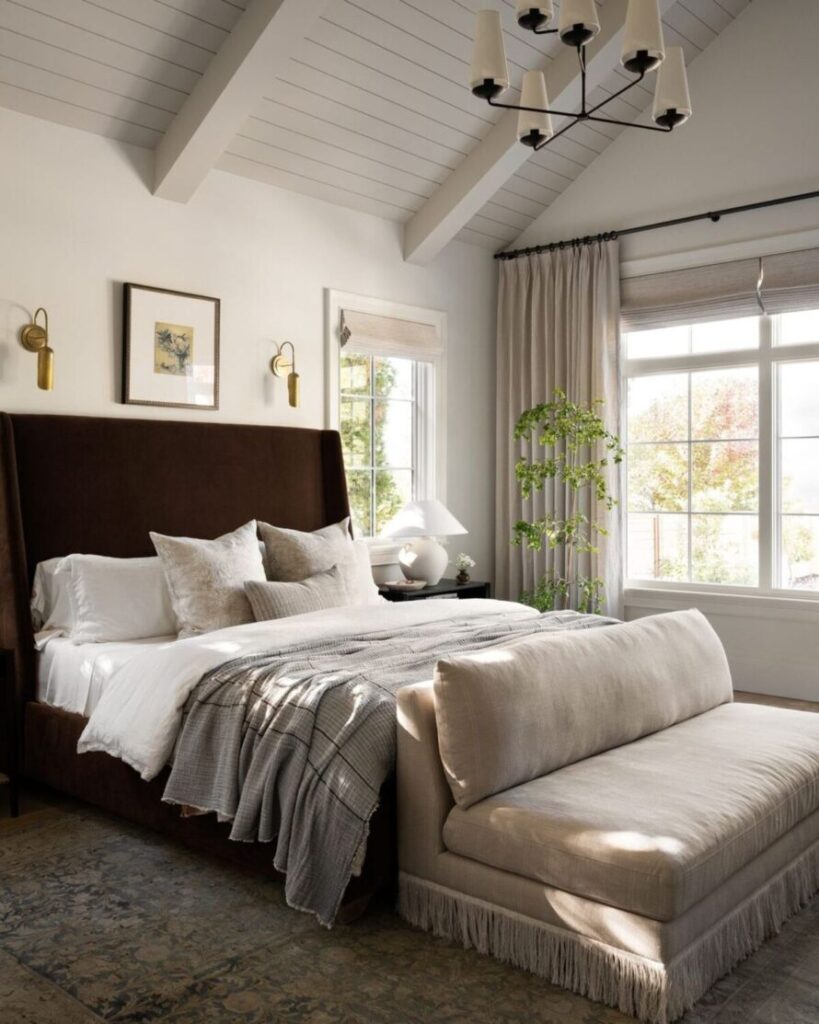
With the bed dressed and comfortable, there’s room to think about what happens around it. A small sofa at the foot of the bed adds a spot to sit down without turning the bedroom into a workspace, which matters more than it sounds.
Working in bed disrupts sleep, so a low bench or small loveseat in a matching neutral tone gives somewhere else to read or fold laundry. Keep it in the same beige or oat family as the walls and bedding so it blends in rather than standing out. That consistency keeps a small addition like this from feeling like extra furniture crammed into the space.
Works just as well in a small guest room as it does in a full master suite.
💡 Pro Tip: Keep the sofa or bench no deeper than 20 inches so it doesn’t crowd the walkway around the bed, and leave at least 24 inches of clearance for the door to swing and daily movement.
Frequently Asked Questions
How much does it cost to create a neutral minimalist bedroom?
A full neutral minimalist bedroom refresh usually stays under $500 for a mid-range budget, and can drop under $200 with a lighter touch. Most of that spending goes toward bedding, one plant, and a piece of wall art, since those three items shift the mood the fastest. Paint is the next biggest cost if walls need a new color. Best for anyone starting with furniture they already own and building around it.
What’s the biggest mistake people make with a neutral minimalist bedroom?
The most common mistake is going so neutral that the room ends up flat and cold instead of calm. A palette needs at least two or three textures, like linen, wood, and something woven, or it reads empty rather than peaceful. Skipping texture is what makes minimalist rooms feel unfinished. Mixing matte and slightly glossy finishes also helps the eye settle somewhere.
Does a neutral minimalist bedroom work in a small apartment or rental?
Yes, this style actually works better in small spaces than busier looks do. Light walls and pale furniture bounce natural light around, which makes a cramped room feel larger without any construction. Renters can lean on removable elements like a jute rug, linen curtains, and a large mirror instead of paint. Best for studio apartments and shared bedrooms where space is tight.
Is the neutral minimalist bedroom trend going out of style in 2026?
No, neutral minimalist bedrooms have held steady for years because the look isn’t tied to one season or color trend. What shifts slightly is the warmth level, with 2026 leaning toward creamier whites and warmer wood tones instead of the cooler grays popular a few years back. The core idea of less clutter and more calm stays timeless either way.
Can neutral minimalist decor mix with farmhouse or boho styles?
Yes, neutral minimalist pairs easily with both, as long as one style leads and the other stays in the background. A minimalist base with farmhouse touches might add one distressed wood piece and simple linen curtains, while a boho mix leans on rattan or a woven wall hanging. Keeping the color palette tight is what stops the combination from feeling cluttered.
How do you keep light-colored bedding and furniture looking clean?
Light fabrics show stains faster, so choosing washable cotton or linen bedding instead of delicate blends makes upkeep much easier. Wash sheets weekly in cool water to keep the color from yellowing over time. For pale wood furniture, a soft cloth and a dry dusting routine prevent buildup that dulls the finish. Oat and warm beige tones hide daily wear better than stark white.
Where can you find affordable neutral bedroom decor?
Big-box retailers like IKEA, Target, and Amazon carry linen-look bedding, ceramic lamps, and simple wood furniture at budget-friendly prices. Thrift stores and Facebook Marketplace are worth checking for solid wood nightstands or dressers that just need a light sand and reseal. Home goods stores also restock neutral throw pillows and woven baskets often, which keeps options fresh without a big spend.
Conclusion
A calm bedroom has a quiet pull to it. Soft colors, a little greenery, and furniture that earns its spot all work together instead of competing for attention, and that’s what makes a neutral minimalist bedroom feel different from a room that just looks nice in photos. Some of these ideas lean soft and airy, others lean into deeper, moodier tones, and a few borrow warmth from wood and texture. There’s room here for a Scandi-clean look, a warmer Japandi feel, or something in between.
Pick one or two ideas instead of trying to do all eight at once. Start with the bed itself, since new bedding and one good pillow arrangement change a room faster than almost anything else. Save the favorite idea to a Pinterest board, bookmark this list for the next free weekend, and pass it along to a friend planning their own refresh. A calmer bedroom is closer than it feels, one small change at a time.