8 Budget Bedroom Ideas to Refresh Any Space
A bedroom should feel like a place to land at the end of the day, not just a room with a bed in it. Yet so many bedrooms stay stuck in builder-grade mode for years, mostly because a full redo feels expensive and overwhelming.
Here’s the good news. A bedroom does not need a big budget to feel completely different. Small, smart changes stack up fast, and the right mix of texture, color, and light can do more for a room than any single expensive piece ever could.
This list rounds up simple, budget-friendly ways to give a bedroom new life, from swapping out tired hardware to layering in plants, paint, and better lighting. Some ideas take an afternoon. Others take twenty minutes and a screwdriver.
Grab a coffee and start scrolling. There’s a good chance the next favorite corner of the bedroom is hiding in one of these ideas.
1. Add a Touch of Nature
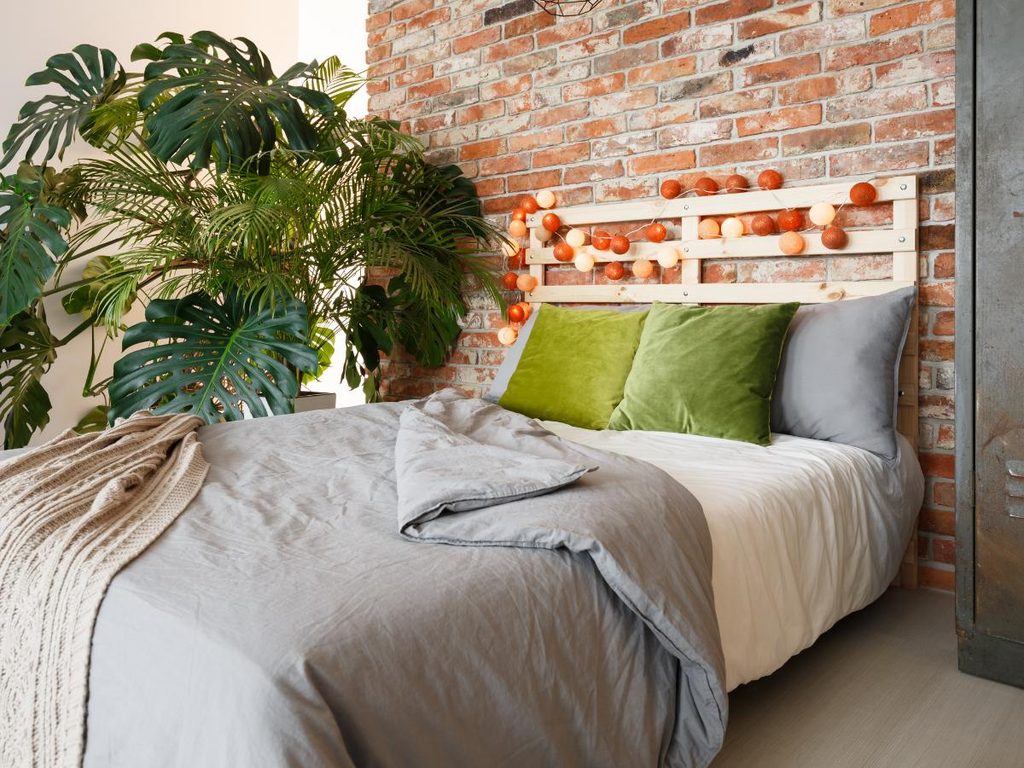
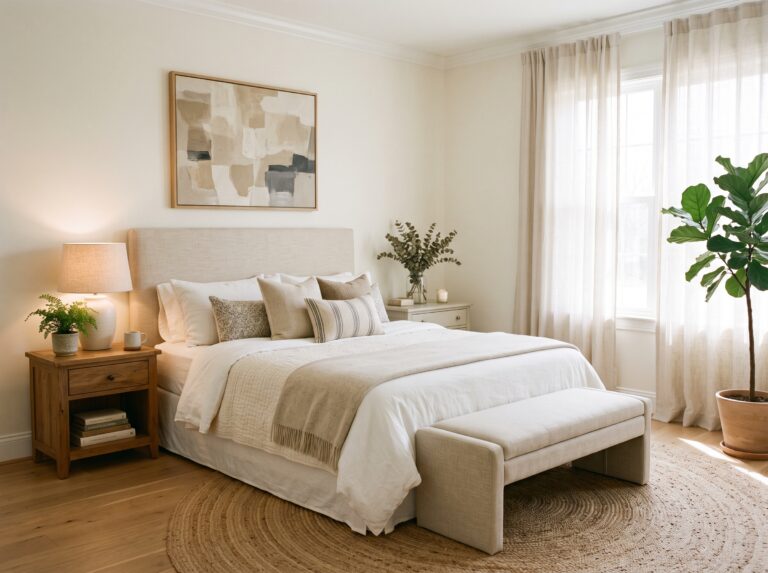
A bedroom without a single plant tends to feel a little flat, even when everything else is styled just right. Greenery softens hard edges and brings in color that paint and pillows can’t quite match on their own.
A tall plant tucked into a dim corner turns empty floor space into something worth looking at, while trailing vines draped over a dresser add movement without taking up any real room. Low-light options mean this works even in the corner that never sees direct sun, the one right by the window where the morning light barely reaches.
A smart pick for anyone who wants the room to feel alive without much upkeep.
2. Layer Your Lights

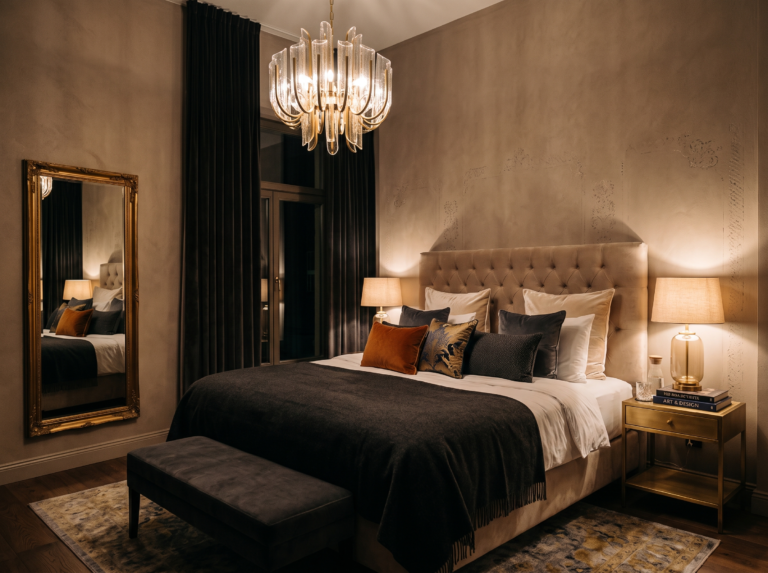
Swap the leafy corner for something warmer and glowier. Where plants brought life through texture and color, lighting brings a different kind of warmth, the kind that changes how the whole room feels once the sun goes down.
A single overhead bulb tends to flatten a room and make it feel more like an office than a place to unwind. Table lamps, a floor lamp in the reading corner, and a couple of wall sconces spread the light out instead, so shadows fall softer and the room feels bigger at night. That’s the setup that turns the last twenty minutes before bed into something a little slower, less like flipping a switch and more like settling in.
The kind of space that pulls you in and keeps you there.
💡 Pro Tip: Stick to warm white bulbs (around 2700K to 3000K) in every bedroom fixture. Mixing warm and cool tones in the same room is what makes lighting feel off even when the fixtures themselves look nice.
3. Add Wall Paneling

Once the lighting is sorted, the walls are the next thing worth a second look. Bare, flat walls can make even a well-lit room feel unfinished, and paneling is one of the fastest ways to fix that without touching a single lamp or bulb.
Wainscoting, board and batten, or simple trim panels add depth that paint alone can’t fake, catching shadow and light differently throughout the day. This kind of texture works especially well in tighter layouts, which is why so many small master bedroom ideas lean on paneling instead of extra furniture to make a room feel more finished. Skipping the headboard entirely and letting the paneling frame the bed keeps the whole look clean and intentional.
Proof that small choices carry the biggest weight.
4. Focus on Your Bedding
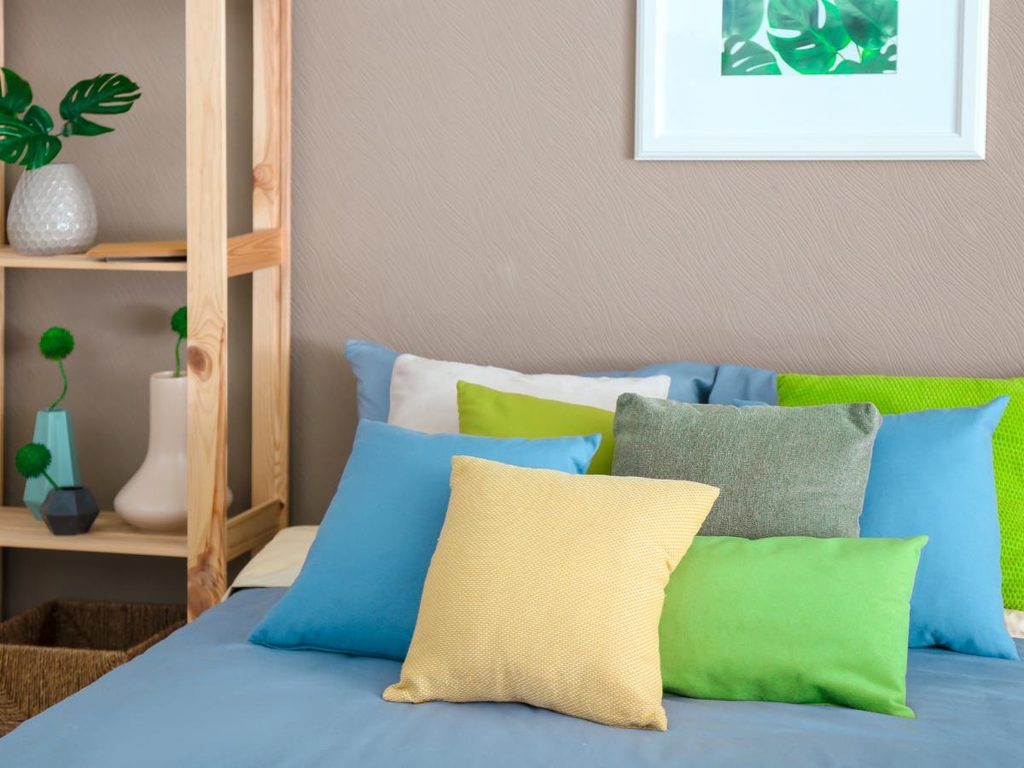
Walls set the mood, but bedding is what actually gets touched every night. After paneling adds that structured, layered look, bedding is where the room gets to feel soft again, which is exactly the balance a bedroom needs.
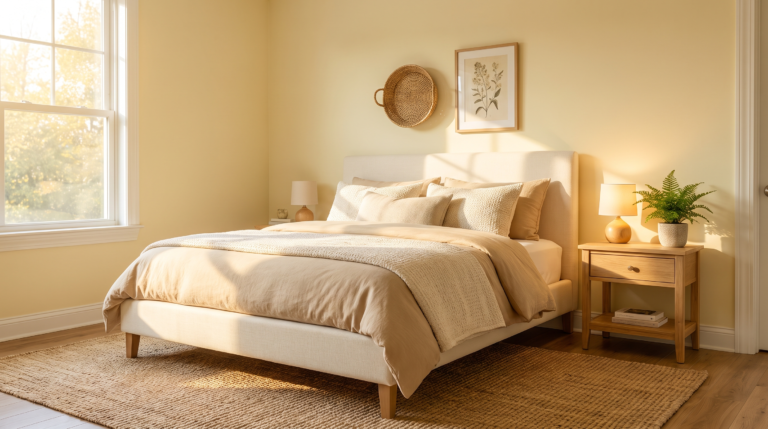
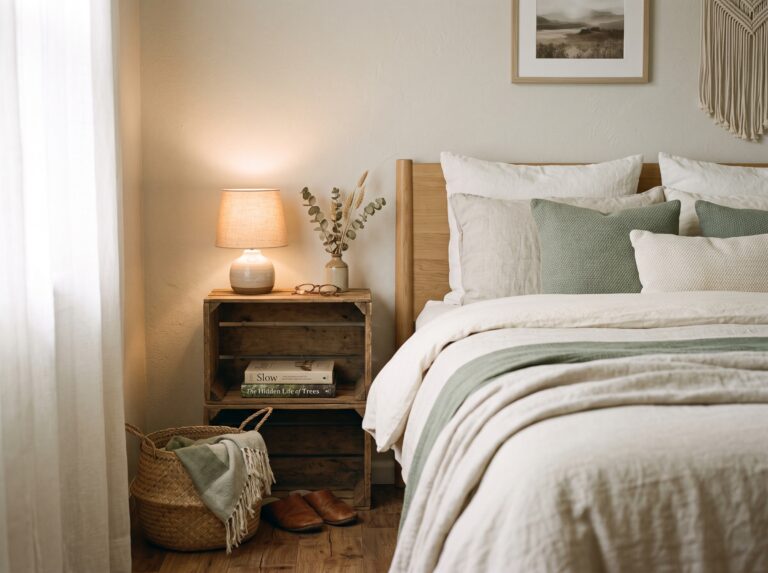
A fresh duvet cover, a good sheet set, and a couple of throw pillows in a new color or pattern do more for the room’s mood than almost anything else on this list. Pulling colors from the season, warm rust and amber for fall or crisp white and pale blue for summer, gives the whole room a reason to feel current. That’s the kind of change that makes crawling into bed at the end of a long day feel like a small reward instead of just routine.
👉 Suggestion: Look for a linen-blend or brushed cotton sheet set in a warm neutral like oatmeal or clay. Textured, matte fabrics photograph better and feel less stiff than anything glossy or synthetic.
5. Employ the Use of Shelves
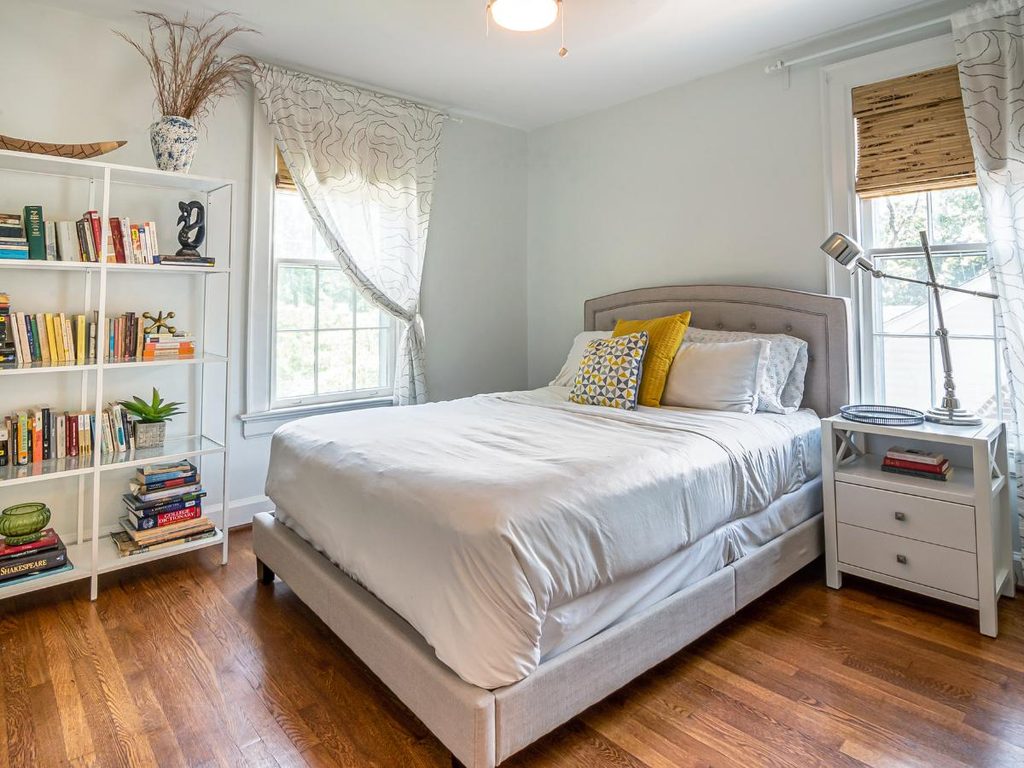
Soft bedding brings comfort, but a bedroom also needs a spot to breathe and show a little personality, and that’s where shelves come in. A shelf styled well turns empty wall space into something that actually says who lives here.
Framed photos, a small stack of books, a favorite candle, or a woven basket for the odds and ends that never have a home all work together once they’re grouped with a little restraint. Mixing heights and textures keeps the display from looking too stiff or too crowded, and it’s a low-cost way to borrow ideas from broader master bedroom storage ideas without adding a single new piece of furniture. Even a narrow ledge above the dresser can double as both storage and display.
Easy to decorate around as trends change.
6. Swap Out Hardware
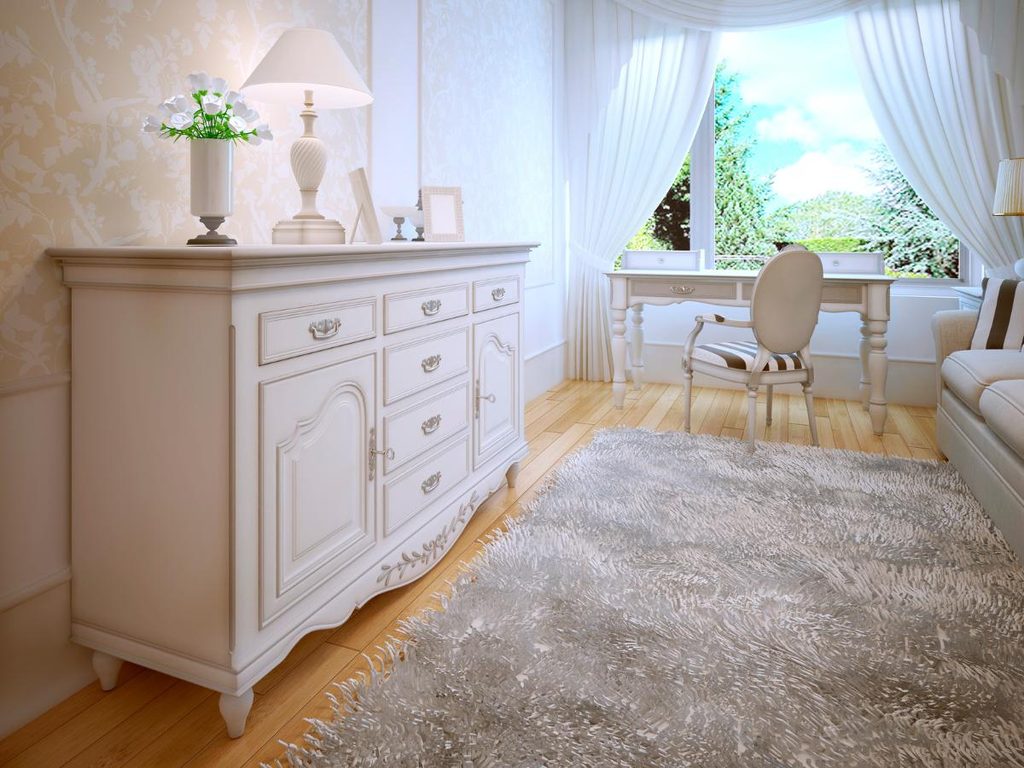
Shelves handle the bigger display moments, but sometimes it’s the smallest details that make a bedroom feel dated or fresh. Dresser and nightstand hardware falls right into that category, and it’s one of the cheapest fixes on this entire list.
Builder-grade knobs tend to blend into the background in the worst way, while a set of brass, matte black, or aged brass pulls can make an old dresser look like it was chosen on purpose. Measuring the current hardware before buying replacements means new pieces slide right into the existing holes, no extra drilling required. The whole swap usually takes less time than picking out the hardware in the first place.
A smart pick for anyone short on time but not on style.
7. Apply Paint to Furniture

New hardware handles the details, but paint is what changes the whole story of a piece. A tired dresser or nightstand that’s been sitting there for years can look almost brand new with nothing more than a brush and a weekend afternoon.
Wood furniture takes color especially well, whether that’s a deep, moody green on a nightstand or a soft blush on an old dresser that’s been begging for an update. Matching the new color to a lamp base or a frame somewhere else in the room ties the whole space together instead of making the piece feel random. Choosing a low-fume, water-based paint also means the room doesn’t smell like a hardware store for a week afterward.
💡 Pro Tip: Sand lightly and wipe furniture down with a damp cloth before painting. Skipping this step is the number one reason paint chips or peels within a few months.
8. Embellish the Walls
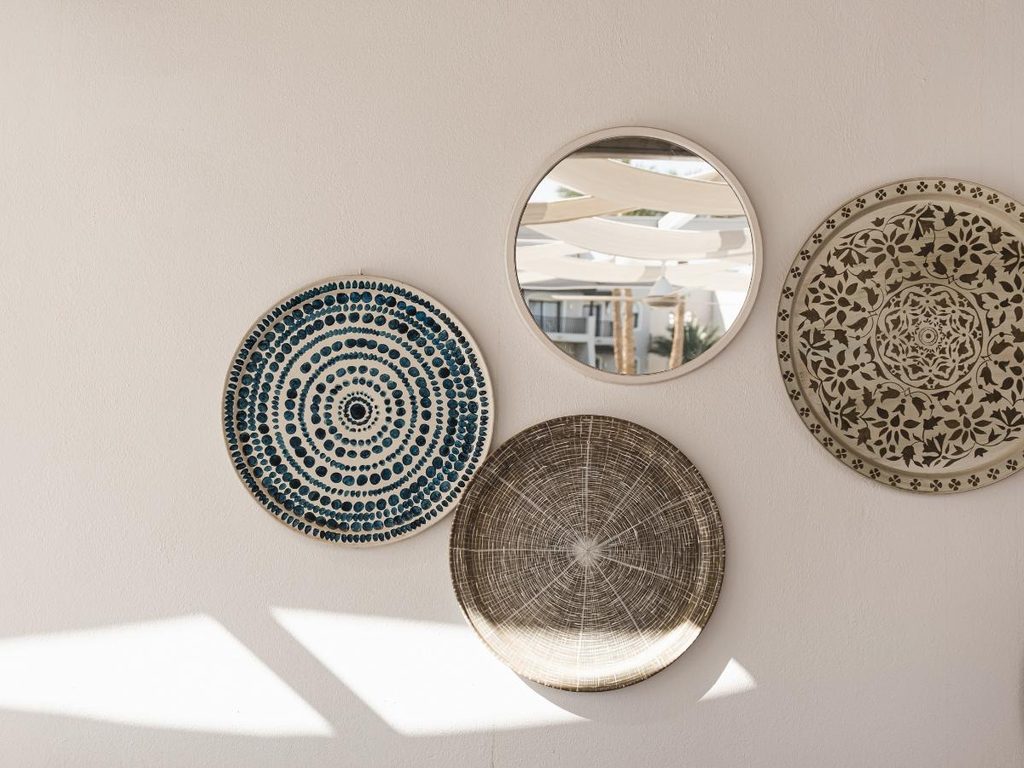
Freshly painted furniture gives the room new color, and the walls are the natural next step for pulling all of that together. Bare walls above the bed or dresser tend to leave a room feeling half finished, no matter how good everything else looks.
A large framed print, a cluster of smaller frames arranged like a gallery, or even a few woven baskets hung above the headboard all add personality without much cost. Leaning into natural materials like rattan, reclaimed wood frames, or woven textures also ties in nicely with simple, eco-friendly bedroom ideas for anyone trying to keep the whole room feeling a little more grounded and less store-bought. Grouping pieces around a favorite photo or a print picked up on a trip makes the wall feel personal instead of just decorative.
Frequently Asked Questions
How much does it cost to refresh a bedroom on a budget?
A full bedroom refresh can stay under $100 if the focus stays on a handful of high-impact changes instead of buying everything at once. New hardware, a can of paint, and a few plants usually cover most of that budget on their own. Big-box stores like Target or Walmart carry affordable options for each of these, and thrift stores often have usable furniture pieces for even less. Spreading the changes across a few weekends also makes the cost easier to manage.
What’s the biggest mistake people make when decorating on a budget?
The most common mistake is spending most of the budget on one large item that barely changes how the room feels. A single expensive throw pillow or lamp rarely does as much as several smaller updates spread across the room. Splitting the same amount of money between paint, hardware, and textiles tends to make a bigger visual difference. This is especially true in small bedrooms, where one oversized piece can crowd the whole space instead of improving it.
Does a budget bedroom refresh work in a rental?
Yes, most of these updates work well in rentals since they avoid permanent changes. Swappable items like bedding, hardware, plants, and wall art can travel to the next place without leaving damage behind. Renters can also use tension rods, adhesive hooks, or peel-and-stick options for wall decor instead of nails. This makes it easy to fully undo the changes before moving out.
How do you keep a budget bedroom refresh looking good over time?
Keeping a few materials consistent across the room is what makes a budget refresh hold up visually. Wood tones, metal finishes, and fabric textures work best when they repeat two or three times instead of appearing only once. Wiping down painted furniture with a soft cloth and avoiding harsh cleaners also keeps the finish looking fresh for years. Rotating in one new seasonal item, like a throw blanket or pillow cover, keeps the room from feeling stale without a full redo.
How do you adjust a budget bedroom refresh for different seasons?
Seasonal changes are usually the cheapest way to keep a bedroom feeling current year-round. Swapping a duvet cover or throw pillows for warmer tones like rust and deep brown in fall, or lighter tones like pale blue and cream in summer, updates the mood without new furniture. Layering in a heavier throw blanket for colder months or a lighter linen one for warmer months adds the same effect. This approach keeps the core refresh in place while the small details do the seasonal work.
Conclusion
A bedroom refresh doesn’t need a big budget to feel like a real transformation. New hardware, a coat of paint, better lighting, and a few plants add up to a space that finally feels finished, not just decorated. Whether the goal leans modern farmhouse, soft minimalist, or warm and eclectic, these budget bedroom ideas flex to fit almost any style and any starting point, which is exactly what makes them worth trying.
The smartest move is picking one or two ideas instead of tackling all eight at once. Start with whatever budget bedroom update fits the weekend and the wallet best, whether that’s swapping hardware or layering in new bedding. Save this list to a Pinterest board, bookmark it for later, and pass it along to a friend planning their own refresh. A few small changes are often all it takes for a bedroom to finally feel like home.