
27 Weeds With Small Yellow Flowers That Look Pretty But Cause Big Problems
Yellow wildflowers have a way of catching the eye before anything else in the yard. Some of them look cheerful and harmless, but a few are quiet troublemakers that spread faster than expected. Knowing which is which makes gardening a whole lot easier, especially when trying to keep flower beds, lawns, and vegetable patches under control.
This roundup covers 30 yellow-flowering weeds that show up across US lawns, sidewalks, meadows, and garden borders. Some are pretty enough to leave alone in a wildflower corner. Others need pulling before they take over the whole space. Each one comes with a quick look at what it is, where it likes to grow, and why it matters for anyone who spends time outside with a trowel in hand.
Whether the goal is identifying a mystery bloom or planning a weekend of weeding, this guide keeps things simple, useful, and easy to reference. Ready to meet the yellow crew?
1. Canada Goldenrod
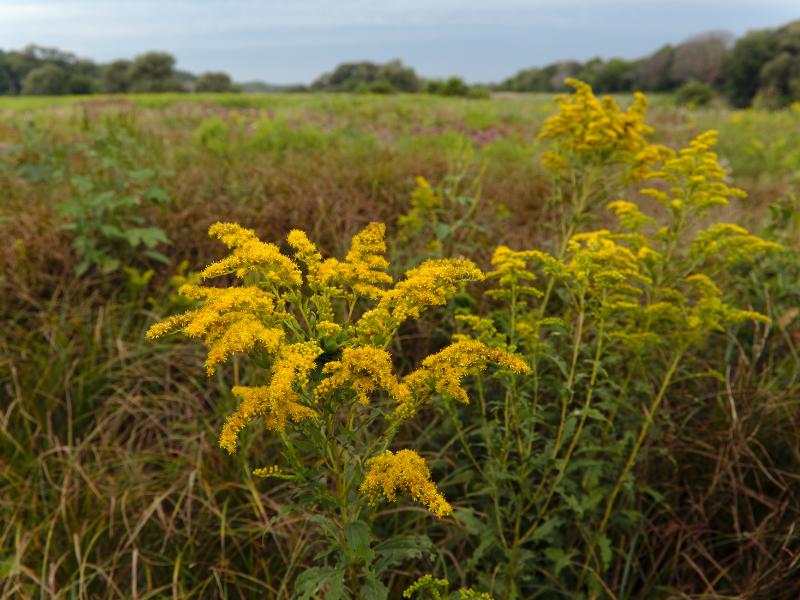
Late summer wouldn’t feel quite the same without those tall, arching plumes of gold swaying along roadsides and open fields. Canada Goldenrod stands three to five feet high, topped with feathery yellow flower clusters that lean sideways like tiny fireworks paused mid-burst. The reason it thrives everywhere is simple. It spreads through underground roots and seeds, which means one plant quickly becomes a whole colony.
Bees and butterflies love it, so leaving a patch at the back of a wildflower border can turn into a pollinator hotspot. The catch is that it crowds out smaller natives if left unchecked. Pulling young shoots in spring keeps it in line. That first walk through the garden with morning dew still on the leaves is when new sprouts are easiest to spot.
Best suited for wildflower corners, meadow edges, and gardeners who welcome pollinators.
2. Butterweed
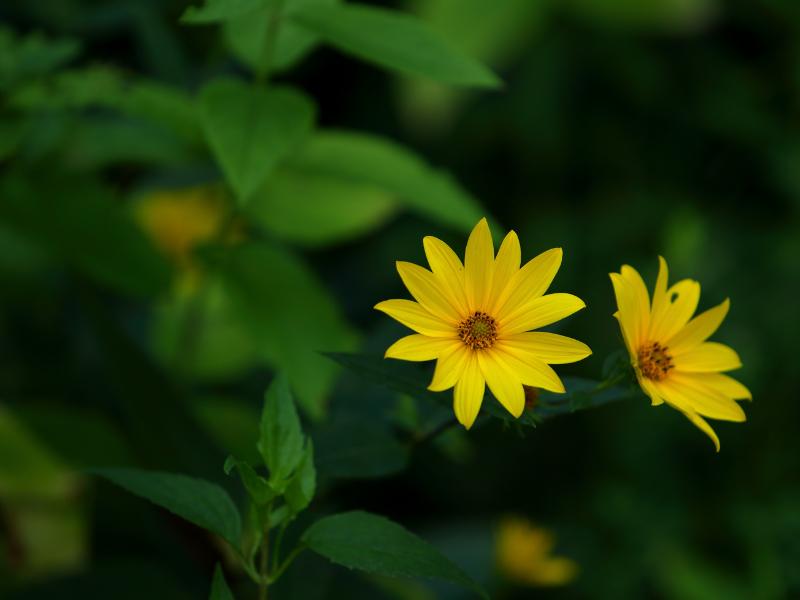
Shifting gears from that tall goldenrod glow, Butterweed keeps things closer to the ground with a completely different personality. It shoots up quickly in spring with hollow, ridged stems and bright yellow daisy-like flower clusters at the top. What makes it stand out is how fast it fills damp, low-lying fields, often turning entire patches of farmland into a rolling yellow blanket by April.
The plant favors wet soil, so it tends to pop up along ditches, floodplains, and soggy garden corners after a rainy week. The trick with Butterweed is timing. It sets seed fast, and once those fluffy heads open, the wind carries them everywhere. Pulling it before flowering is the easiest win.
The whole yard feels more manageable when it comes out early.
💡 Pro Tip: Wear gloves when handling Butterweed. It contains compounds that can irritate skin and are toxic to livestock, so bag pulled plants instead of adding them to compost or pasture piles.
3. Black Medic
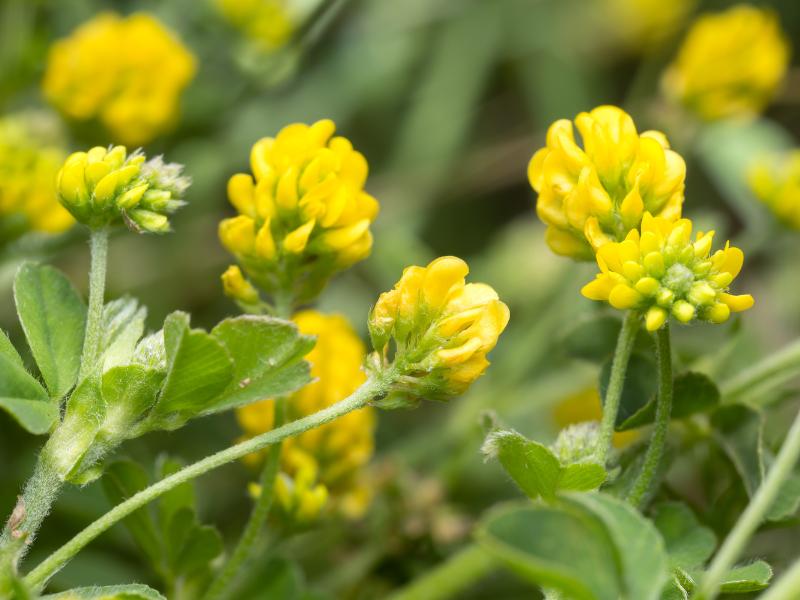
Staying low to the ground, Black Medic takes a totally different shape than the tall spring bloomers. It creeps along lawns and sidewalk cracks with small three-leaf clusters and tiny round yellow flower heads that look almost like miniature clover pom-poms. The reason it spreads so easily is that it thrives in dry, compacted soil where grass struggles to grow.
Most people spot it when the lawn starts thinning out in mid-summer. That’s Black Medic’s cue to move in and fill the gaps. It fixes nitrogen into the soil, which sounds helpful, but it also signals that the lawn needs some care underneath. Aerating and thickening the grass usually pushes it out naturally. The kind of weed that quietly tells a story about the soil beneath it.
One of those setups where every piece earns its place.
👉 Suggestion: Overseed thin lawn spots with a dense turfgrass blend like tall fescue or Kentucky bluegrass in early fall. Thick grass shades the soil and blocks Black Medic seeds from getting the light they need to sprout.
4. Common Ragwort
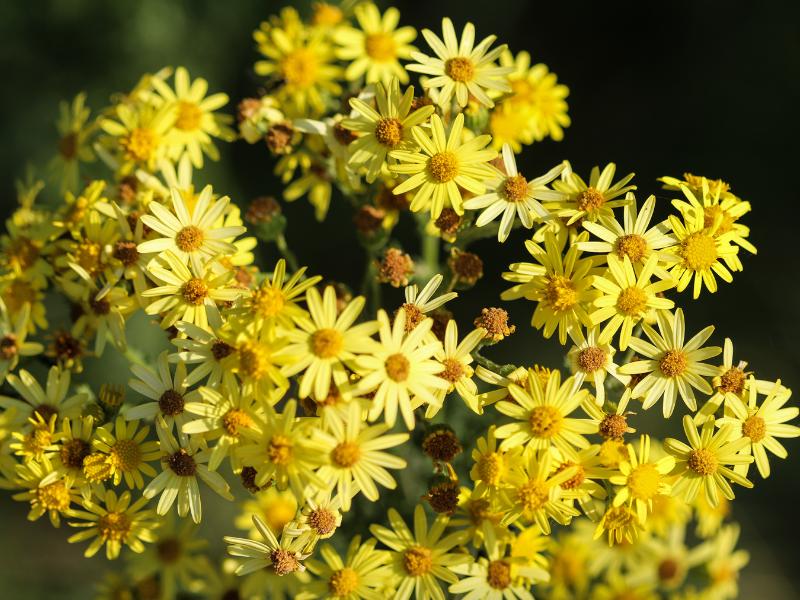
Everyone knows this one, but Common Dandelion deserves a proper look because it’s more interesting than most people give it credit for. Those bright yellow flower heads open with the sun and close at dusk, sitting on hollow stems that release milky sap when snapped. The taproot goes deep, which is exactly why pulling the top rarely finishes the job.
Kids love blowing the puffball seed heads, and that’s the whole spreading strategy in action. Each plant can send hundreds of tiny parachutes drifting across the neighborhood. The leaves are edible when young, and the flowers can be steeped for tea. Still, in a tidy lawn setting, one Dandelion quickly becomes a dozen. Digging deep with a long weeding tool works better than yanking from the top.
Sometimes the smallest details make the whole yard feel put together.
5. Creeping Buttercup
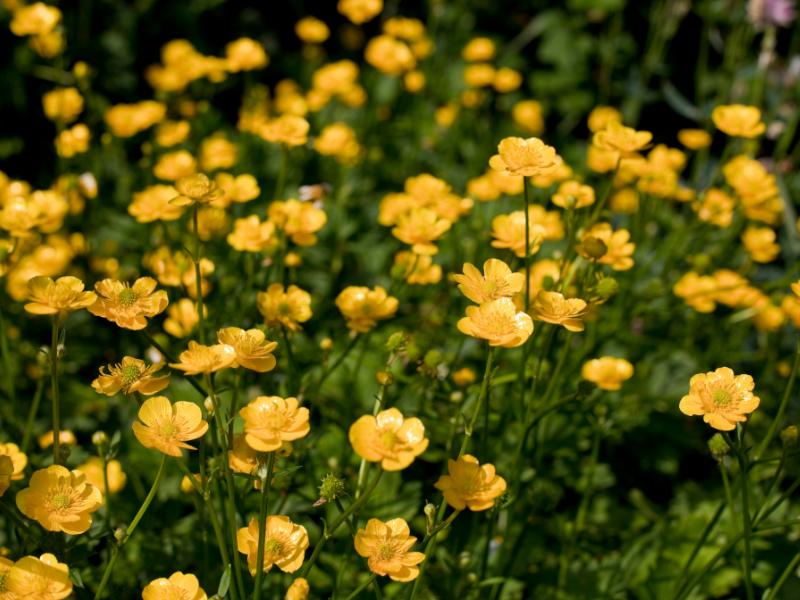
Right after Dandelion territory comes another familiar face, but Creeping Buttercup plays a sneakier game. Its glossy yellow flowers sit on wiry stems above deeply lobed green leaves, spreading sideways through long runners that root wherever they touch soil. Damp, shady spots are its favorite hangout, especially lawns that stay soggy after rain.
The shine on those petals is almost waxy, which is why kids used to hold buttercups under their chins to see if they liked butter. Charming as it looks, this one takes over fast. Each runner can start a new plant within weeks, forming dense mats that smother grass. Improving drainage and pulling runners before they root usually keeps it in check.
That kind of golden patch under a tree feels like a slice of countryside charm right at home.
6. Yellow Wood Sorrel
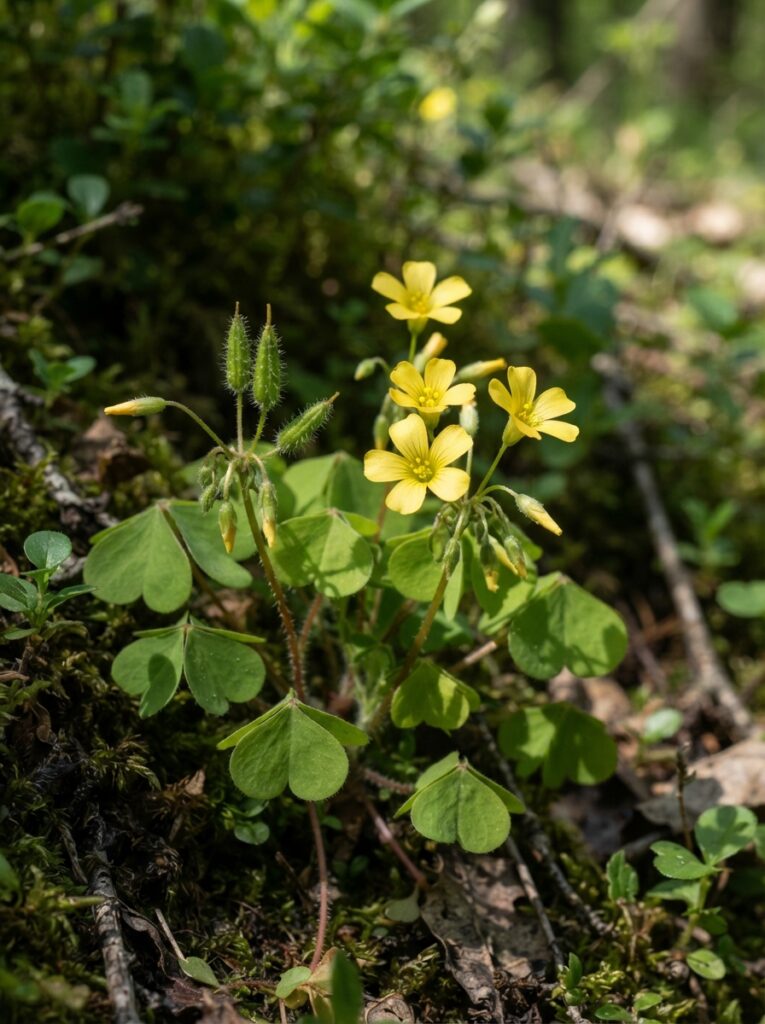
Sharing that same low-growing habit as Creeping Buttercup, Yellow Wood Sorrel brings a completely different leaf shape to the mix. The foliage looks almost exactly like clover, with three heart-shaped leaflets that fold up at night or during hot afternoons. Small five-petaled yellow flowers sit above the leaves on thin stems, followed by little seed pods that pop open when touched.
That seed-popping trick is exactly how it spreads so widely. One brush against a ripe pod sends seeds flying several feet in every direction. It shows up in flower beds, container gardens, and cracks in the patio with equal enthusiasm. The leaves have a tangy, lemony taste that some people nibble on walks. Hand-pulling works well as long as the whole root comes up with it.
That little burst of green and gold has a way of turning quiet corners into something worth noticing.
7. Bird’s-Foot Trefoil
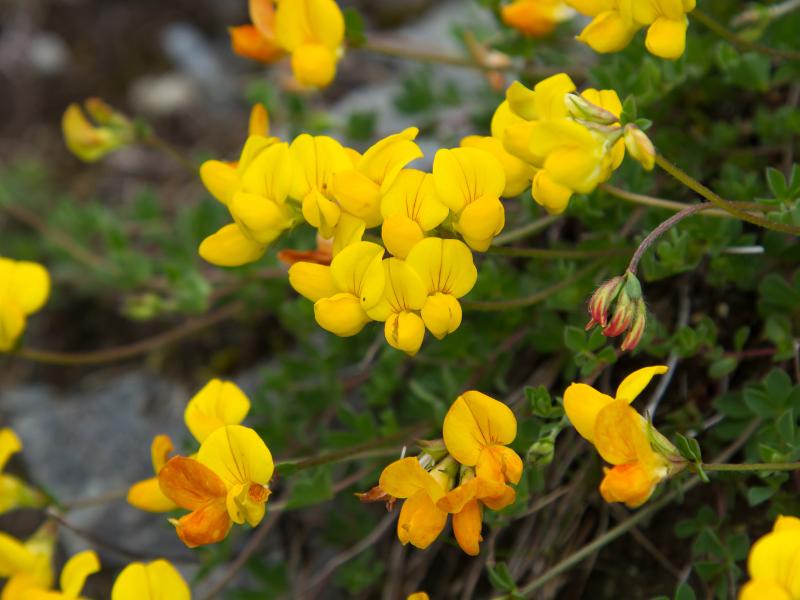
Moving from that lemony sorrel to something a bit sturdier, Bird’s-Foot Trefoil earns its name from the seed pods that fan out like tiny bird toes. The flowers cluster in small groups of bright yellow, sometimes tinged with orange, sitting on sprawling stems that spread across sunny fields and roadside edges. The leaves come in sets of five, though they look like three at first glance.
Farmers sometimes plant it on purpose because it fixes nitrogen and feeds livestock. In home lawns, though, it can crowd out grass quickly, especially in dry or sandy soil where other plants struggle. The deep root system makes hand-pulling tough. Consistent mowing before it sets seed is usually the best approach.
That golden sprawl along a driveway edge can look surprisingly polished when kept in bounds
8. Yellow Salsify
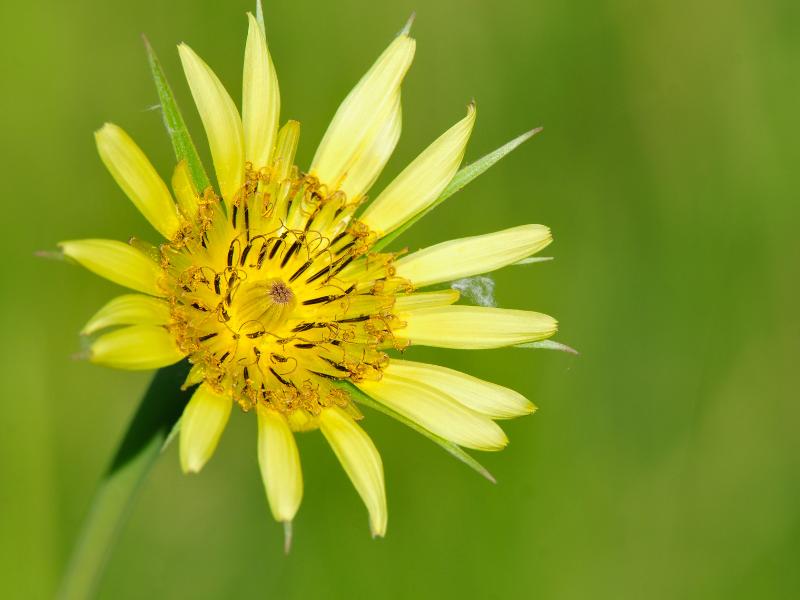
Coming off that sprawling Bird’s-Foot Trefoil, Yellow Salsify takes a completely different approach with its tall, single-stemmed look. The flower opens into a large yellow bloom that resembles a giant dandelion, sitting on a stem that can reach two or three feet high. Long, grass-like leaves wrap around the base, giving it an almost architectural shape in open fields.
The seed head is where things get interesting. After the flower fades, it forms a huge fluffy sphere, way bigger than a Dandelion puffball, that looks almost sculptural in the morning light. Kids love finding these on nature walks, and honestly, a few genius parenting hacks start with turning weed hunts into backyard adventures. Pulling before the seed head forms keeps it from spreading across the yard.
That kind of oversized bloom has a way of making an ordinary walk feel like a small discovery.
9. Yellow Rocket
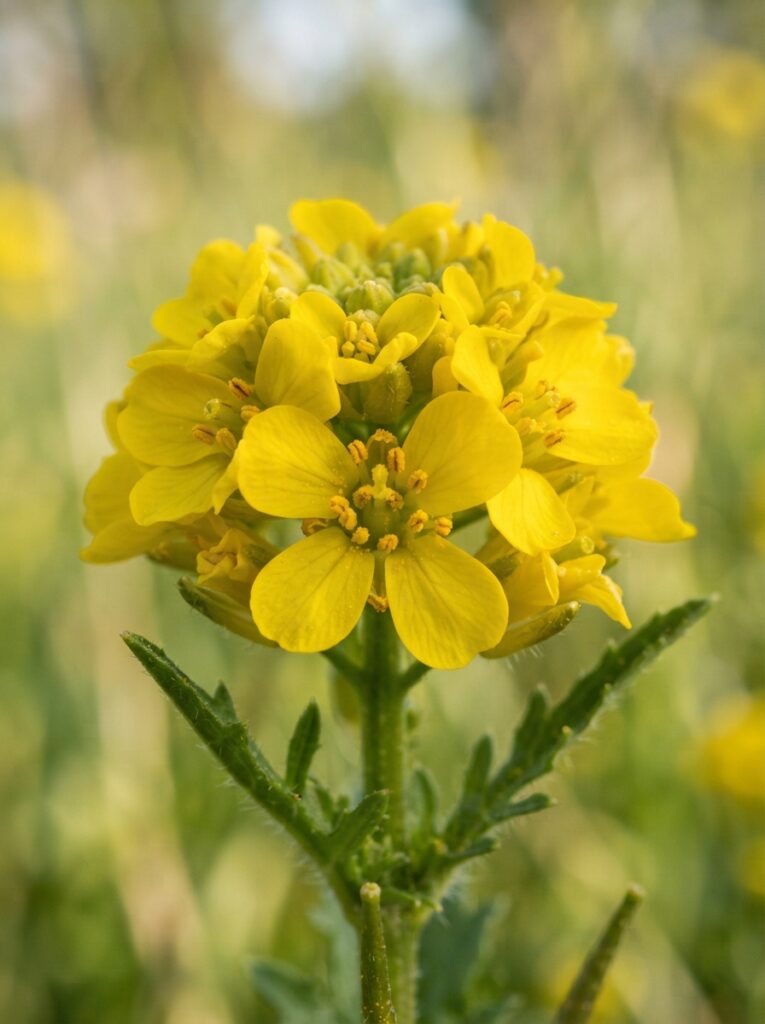
Following that architectural Salsify shape, Yellow Rocket brings back the bushy, upright energy with clusters of small four-petaled flowers stacked at the top of each stem. It’s part of the mustard family, which shows in the leaf shape and that unmistakable peppery scent when the stems get bruised. Roadsides, fallow fields, and neglected garden corners are its favorite territory.
The plant blooms early, often carpeting entire meadows in yellow before most other weeds even wake up. That early start is exactly why it spreads so easily. By the time other plants get going, Yellow Rocket has already dropped seeds and secured its patch. Young leaves are edible and slightly spicy, though most gardeners prefer pulling it before it takes hold. A sharp hoe makes quick work of young rosettes in spring.
That early yellow wash across a field feels like the first real sign winter has finally let go.
10. Wild Parsnip
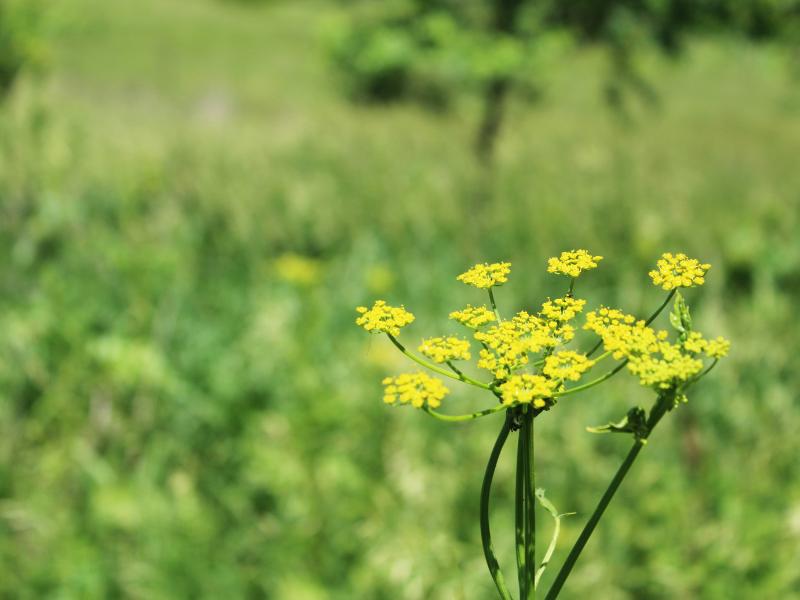
Right after that peppery Yellow Rocket, Wild Parsnip takes the stage with a much taller, more dramatic silhouette. It grows up to five feet high with flat-topped clusters of tiny yellow flowers arranged like little umbrellas. The stems are thick and grooved, and the leaves look almost fern-like with jagged edges running along each side.
Here’s the part that matters most. Wild Parsnip sap causes serious skin burns when it touches skin exposed to sunlight, leaving blisters that can scar for months. It shows up along roadsides, pastures, and forgotten field edges, spreading fast through seed. Never pull it barehanded. Long sleeves, gloves, and eye protection are non-negotiable. Cutting the flower heads before they set seed is the safer approach for large patches.
That kind of quiet danger tucked into a pretty bloom is exactly why knowing your weeds pays off.
👉 Suggestion: If Wild Parsnip is spotted, mark the area and tackle it on a cloudy day or in the evening when UV levels drop. Wash any skin contact immediately with soap and cool water, then keep that area out of sunlight for at least 48 hours to prevent burns.
11. Common St. John’s Wort
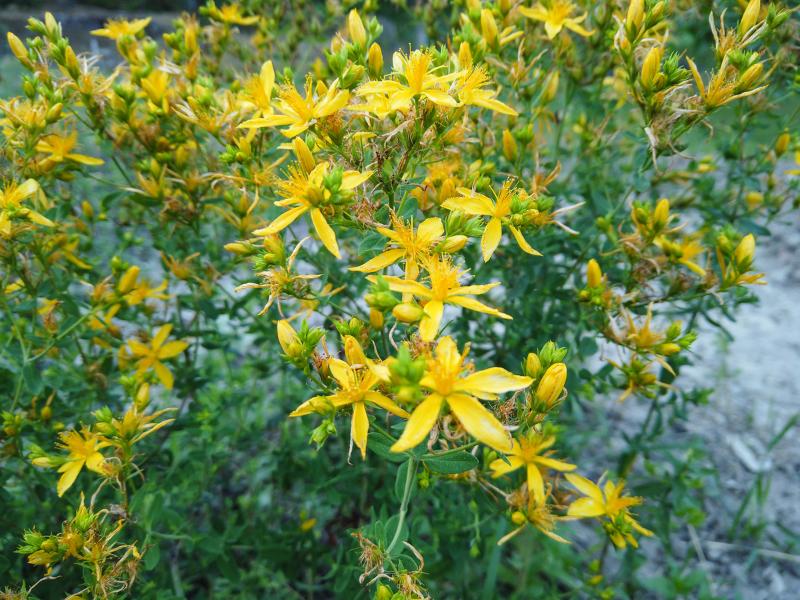
Shifting away from Wild Parsnip’s warning signs, Common St. John’s Wort brings a gentler presence to the yellow lineup. Small five-petaled flowers cover branching stems that reach about two feet tall, with tiny black dots along the petal edges that give it a speckled look up close. The leaves have translucent spots too, visible when held up to the light.
This one has a long history in herbal use, which is why it sometimes gets a pass in wildflower gardens. That said, it spreads aggressively through both seeds and creeping roots, taking over pastures and open ground quickly. Livestock avoid it because it can cause sensitivity to sunlight after grazing. Pulling small patches early works well, especially when the soil is damp and the roots slide out cleanly.
That mix of folklore and field weed makes it one of those plants worth recognizing on sight.
12. Yellow Sweet Clover
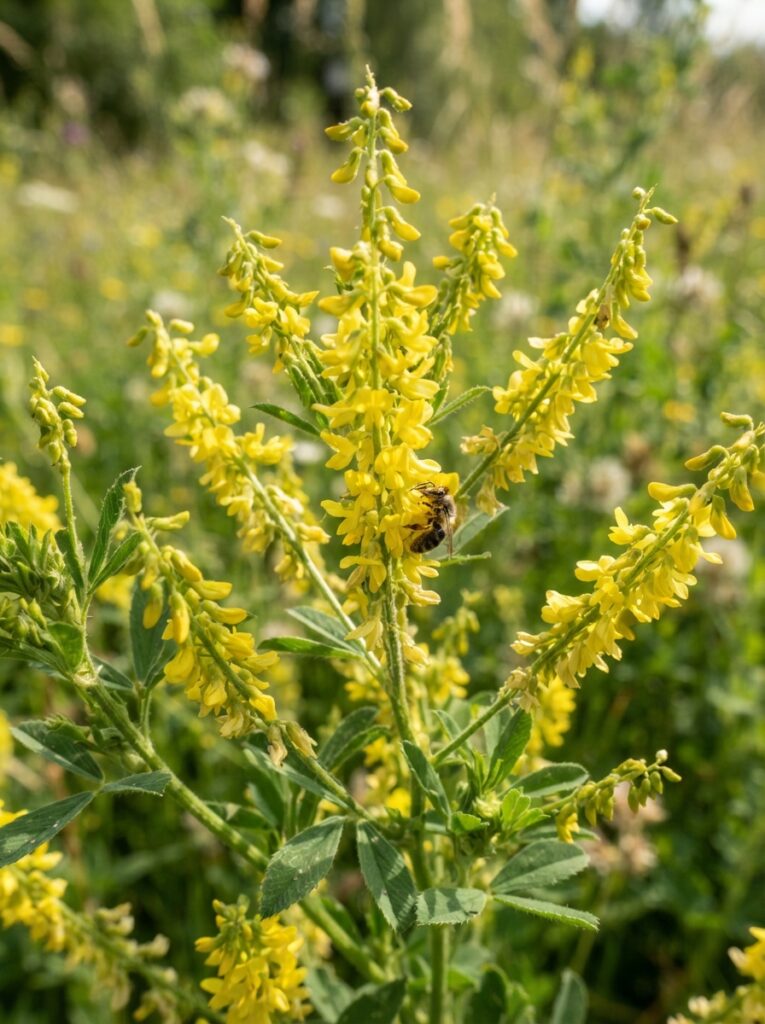
Coming off that folklore-heavy St. John’s Wort, Yellow Sweet Clover brings a much taller, airier look to the mix. It can reach four or five feet high, with slender stems covered in small yellow pea-shaped flowers that give off a soft vanilla scent when brushed against. The three-leaflet leaves look a lot like regular clover, just stretched out and more delicate.
Bees absolutely love this one, which is why beekeepers sometimes let it grow near hives. The downside is how quickly it takes over roadsides, prairies, and untended fields. Each plant produces thousands of seeds that stay viable in the soil for decades. Mowing before it flowers is the most reliable way to slow it down. The scent alone makes summer walks feel a little sweeter.
That whisper of vanilla drifting through a field on a warm afternoon has a way of sticking in memory.
13. Wintercress
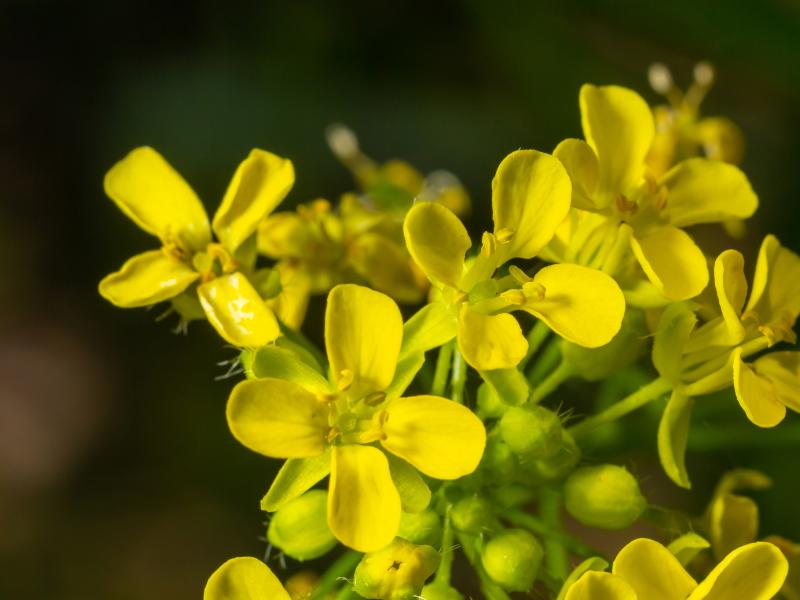
Moving from that sweet-scented clover to something with more of a spring punch, Wintercress shows up early and bright. It forms tight clusters of small yellow four-petaled flowers on stems about two feet tall, with deeply lobed lower leaves that stay green through winter. Damp meadows, ditches, and field edges are where it settles in most comfortably.
Because the leaves survive cold weather, Wintercress gets a head start on almost everything else in the garden. By early spring, whole patches turn brilliant yellow before the grass has even greened up. The young leaves are edible and slightly bitter, sometimes used in salads. For control, pulling the whole rosette before flowering works best, especially when the soil is soft from spring rain.
That first flash of yellow after a gray winter can feel like the whole yard exhaling.
14. Cypress Spurge
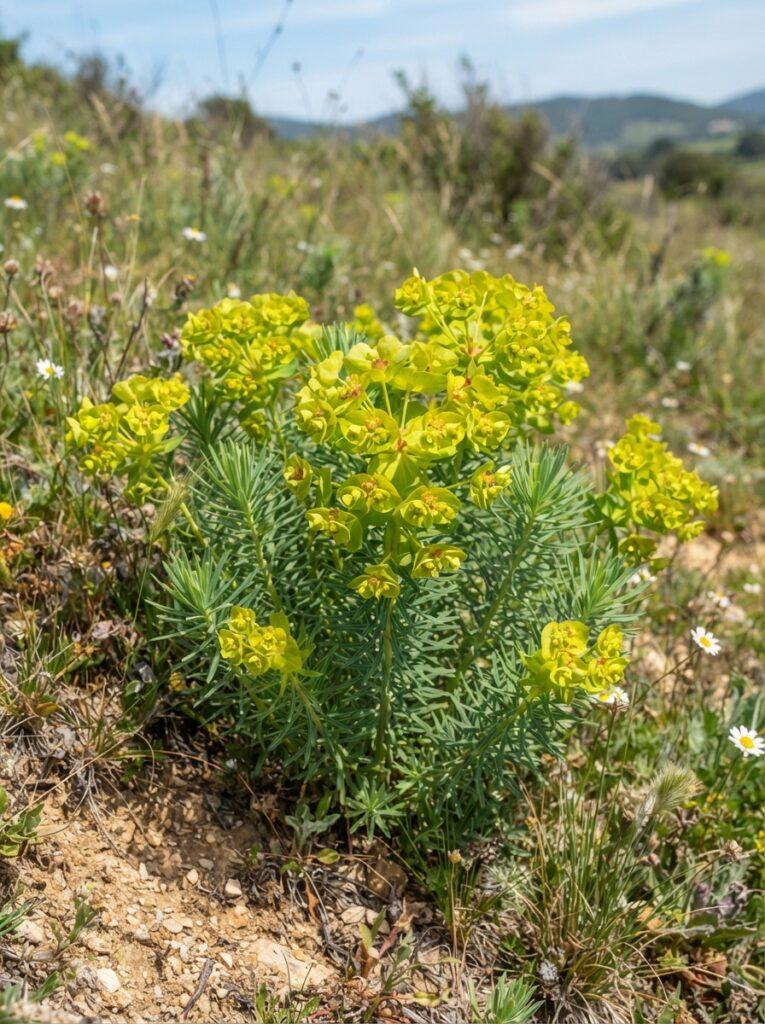
Following that early Wintercress bloom, Cypress Spurge takes things in a completely different direction with its feathery, almost pine-like appearance. It grows about a foot tall with narrow, needle-shaped leaves running up the stem, topped with clusters of small yellow-green flowers that look more like bracts than true blooms. The whole plant has a soft, cloud-like texture from a distance.
The catch with this one is the milky white sap inside every stem. It’s toxic and can irritate skin, so gloves are a must when pulling. Cypress Spurge spreads through both seeds and creeping roots, forming dense patches in dry, sunny spots like gravel drives and rocky slopes. Digging out the entire root system is the only reliable way to stop it. Small pieces left behind will resprout within weeks.
That soft, feathery texture almost tricks the eye into thinking it belongs in a rock garden.
15. Golden Ragwort
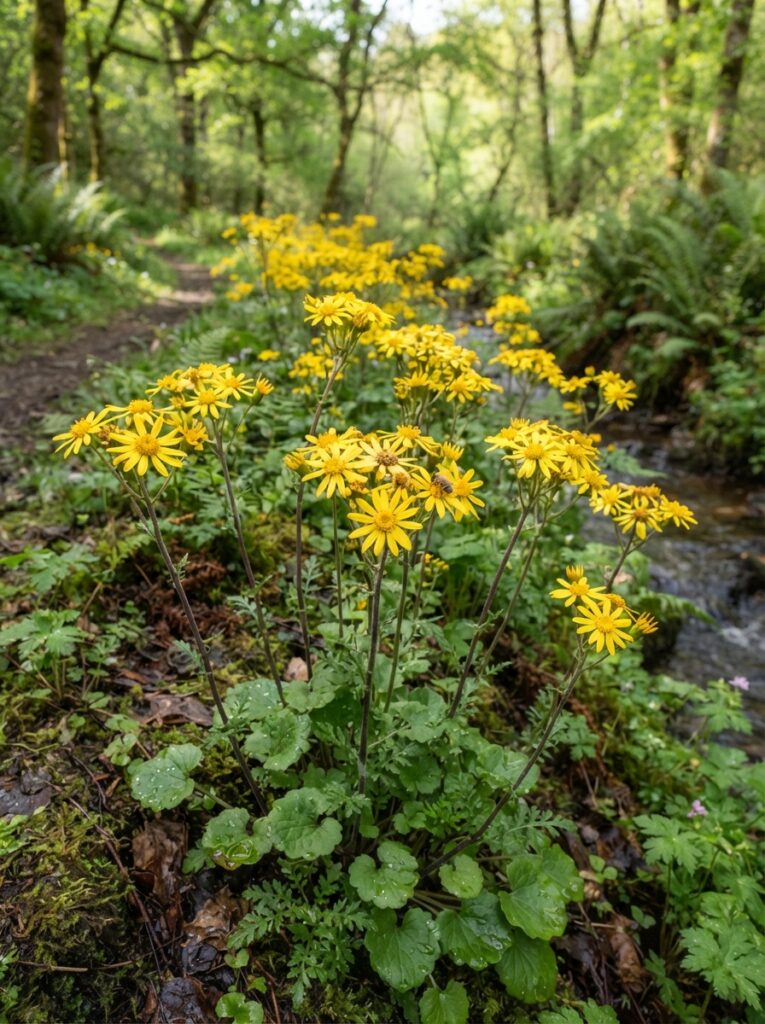
After Cypress Spurge’s feathery look, Golden Ragwort switches things up with broad, heart-shaped leaves at the base and bright yellow daisy-like flowers held on tall stems. It reaches about two feet high, forming loose clusters of blooms that light up shaded woodland edges and damp meadows in late spring. The lower leaves stay evergreen in mild climates, giving it presence even in the off-season.
This one actually earns a spot in native plant gardens because it works as a ground cover under trees where grass struggles. Still, it spreads through both seeds and underground runners, so a small patch can turn into a large colony within a few years. Keeping the garden tidy with some clever organization projects for tools and supplies makes weeding sessions feel way less overwhelming when patches like this get out of hand.
That soft glow under a shady tree canopy has a way of making the whole backyard feel a little more magical.
16. Yellow Toadflax
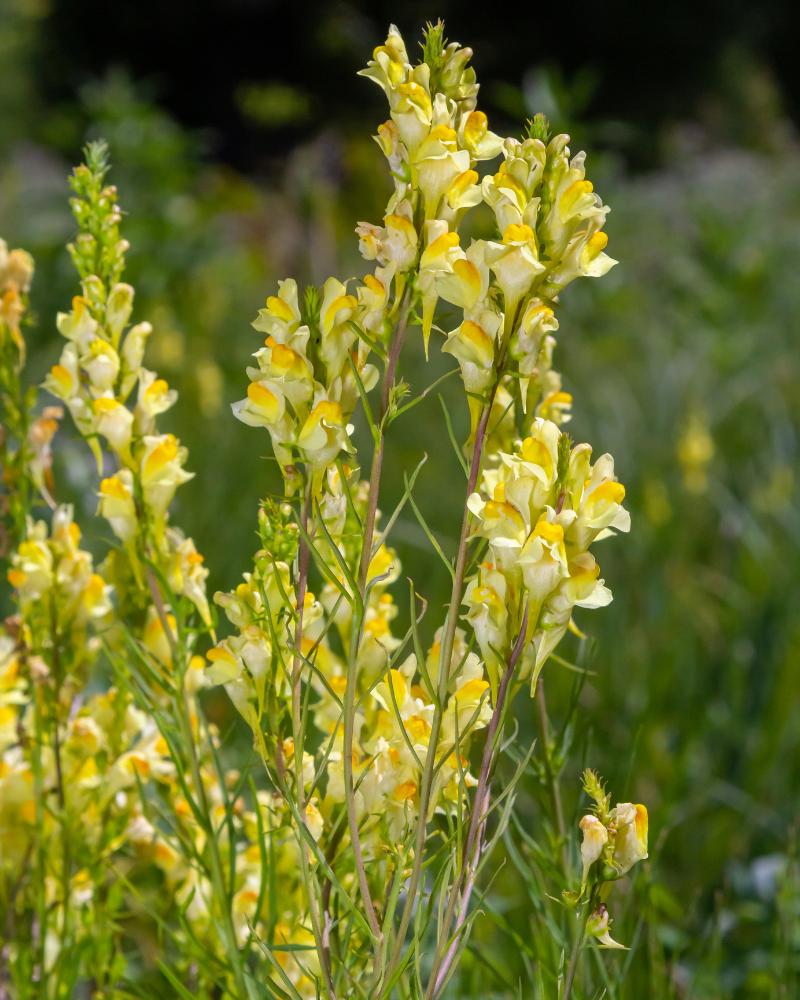
Coming off that woodland-friendly Golden Ragwort, Yellow Toadflax brings a completely different personality with flowers that look like tiny snapdragons stacked along a slender stem. Each bloom has a bright yellow body with an orange throat, sitting above narrow blue-green leaves that give the plant an almost delicate appearance. It grows about two feet tall in dry, sunny spots.
The nickname “butter and eggs” comes from that yellow-and-orange color combo, which honestly makes it charming enough that some gardeners leave it alone. The trouble is how aggressively it spreads through both seeds and creeping roots. One plant can turn into a stubborn patch within a season. Hand-pulling helps for small groups, though the deep roots make persistence key. Repeated pulling over a few weeks usually wins.
That snapdragon look on a wild plant feels like nature copying a fancy garden bloom just for fun.
17. Common Evening Primrose
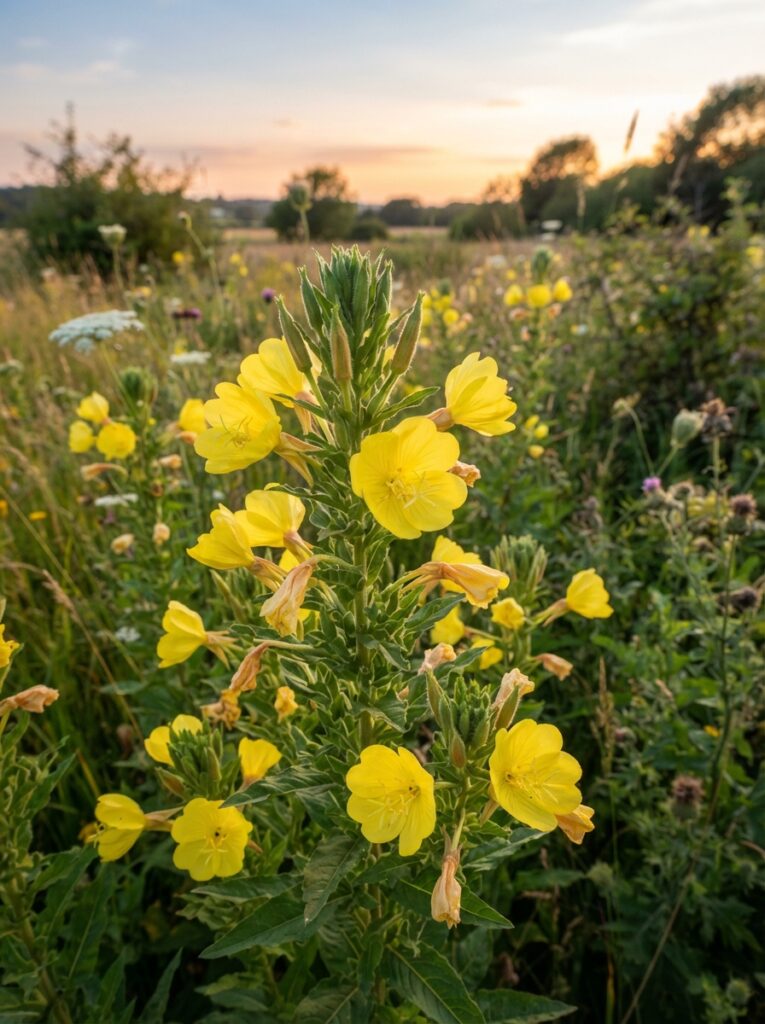
Shifting from that snapdragon-shaped Toadflax to something with big, showy blooms, Common Evening Primrose earns its name by opening its flowers late in the day. Large four-petaled yellow blooms unfurl in the evening and stay open through the night, closing again by mid-morning. The plant grows tall, sometimes reaching five feet, with a stout stem and lance-shaped leaves.
Moths pollinate the flowers under moonlight, which is one of those garden details that feels almost magical once noticed. It thrives in disturbed soil, roadsides, and open fields, spreading easily through seed. The roots were traditionally eaten and the oil is still used today in skincare products. For control, pulling first-year rosettes before they bolt keeps the plant from taking over larger areas.
That quiet evening bloom feels like a little secret the garden saves just for the end of the day.
18. Prickly Sow Thistle
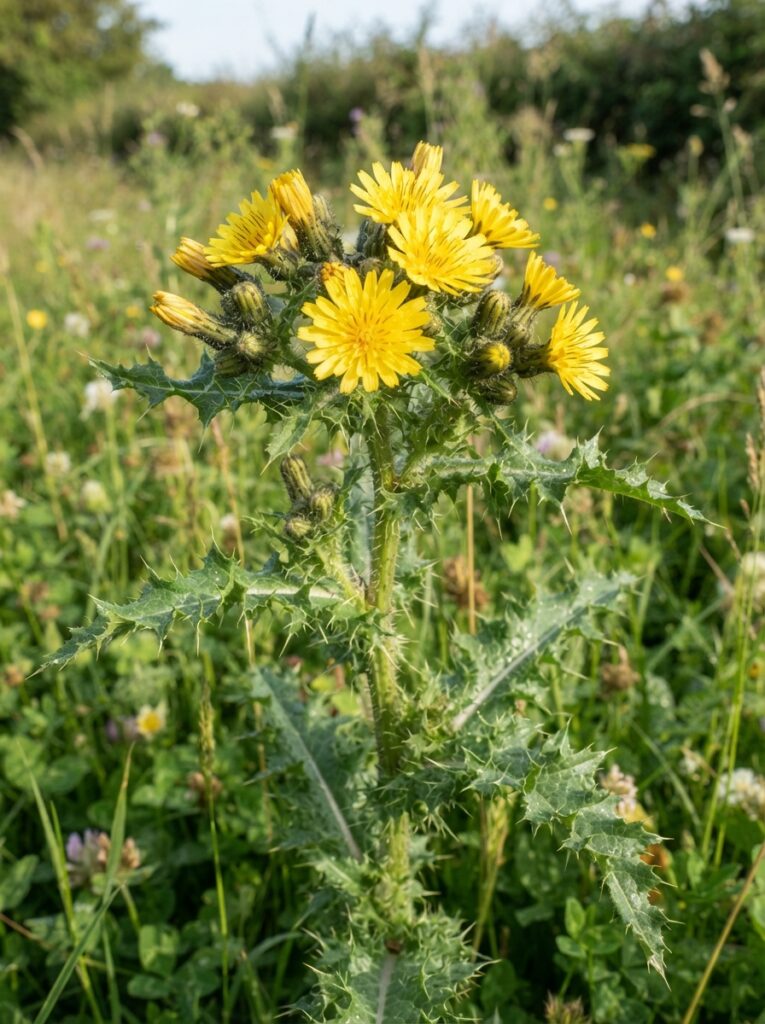
After that soft evening bloom, Prickly Sow Thistle brings a much sharper edge to the yellow lineup. It grows two to four feet tall with hollow stems that ooze milky sap when broken, topped with small dandelion-like yellow flowers clustered at the tips. The leaves are the real giveaway. They wrap around the stem with wavy, spine-tipped edges that catch skin instantly.
This one shows up in vegetable gardens, disturbed soil, and neglected corners with impressive speed. Each plant produces thousands of fluffy seeds that drift like dandelion fuzz across the yard. Young leaves are actually edible when cooked, though the prickles make harvesting a hassle. Pulling with thick gloves before flowering is the best move. Getting the taproot out matters, since broken pieces resprout easily.
That mix of pretty flower and prickly attitude is exactly why this one gets pulled quickly.
💡 Pro Tip: Always slice Prickly Sow Thistle just below the soil line with a sharp hoe rather than yanking the stems. That cut severs the taproot cleanly and reduces the chance of leaving root fragments behind that would sprout new plants within days.
19. Bristly Oxtongue
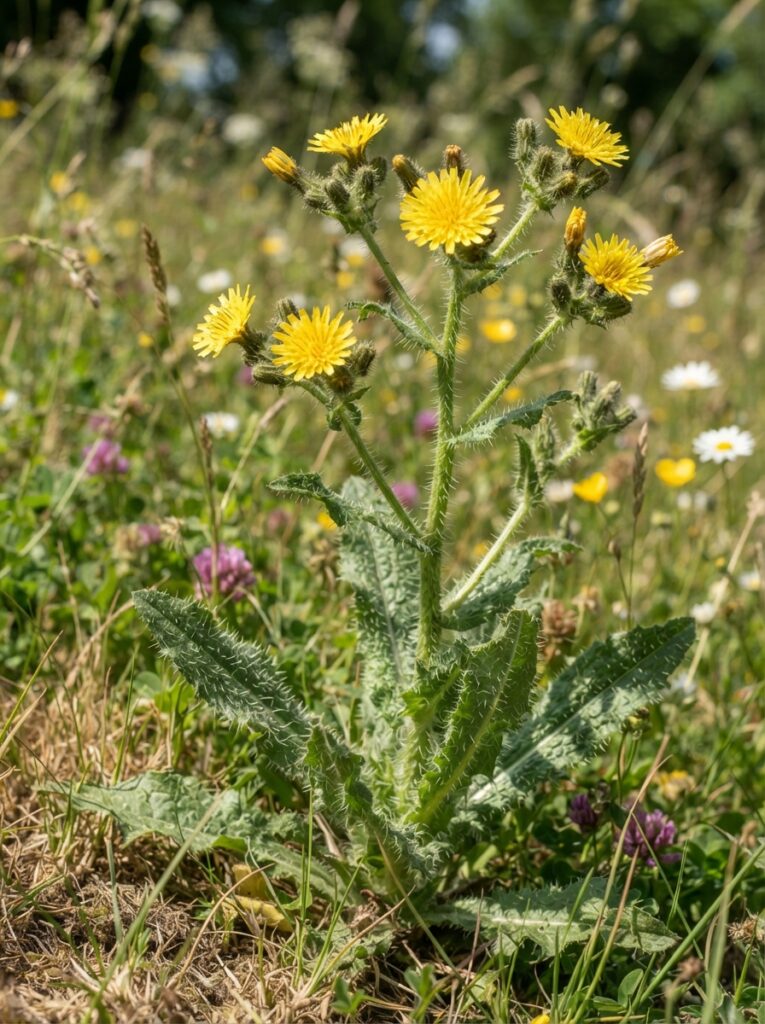
Right after Prickly Sow Thistle’s spiny leaves, Bristly Oxtongue keeps the rough-textured theme going but takes it up a notch. The whole plant feels sandpapery to the touch, thanks to stiff bristles covering the stems and leaves. It grows two to three feet tall with small yellow dandelion-like flowers scattered across branching stems, opening in loose clusters through summer.
The name comes from those bristles that look almost like tiny spots or blisters on the leaf surface. It settles into disturbed ground, roadsides, and abandoned lots, spreading fast through wind-carried seeds. Cattle avoid it because of the rough texture, which is why it takes over pastures so easily. Pulling young plants before they flower works best, and gloves are essential for keeping hands from getting scratched up.
That kind of tough, weathered look tells a story of a plant built to survive just about anywhere.
20. Lesser Celandine
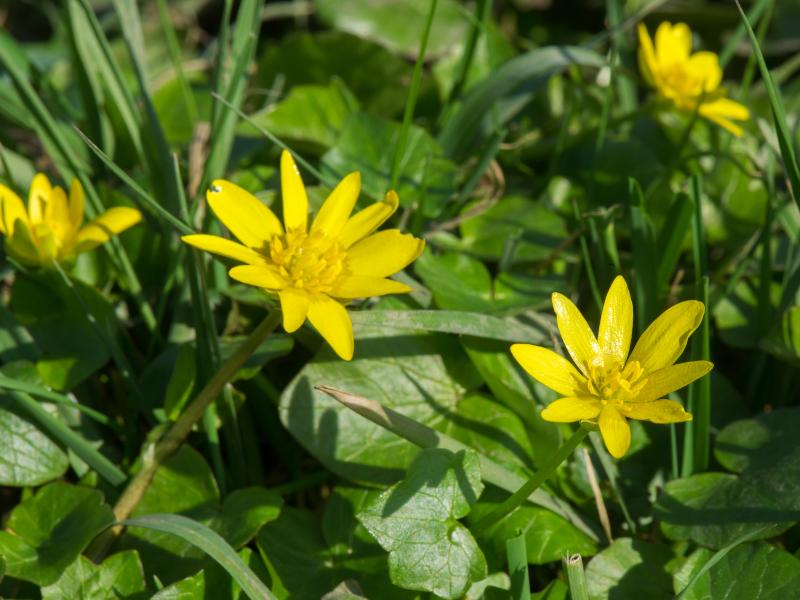
Coming off that rugged Bristly Oxtongue, Lesser Celandine flips the script with a low, glossy, almost decorative look. It hugs the ground with heart-shaped dark green leaves and bright yellow star-shaped flowers that shine like they’ve been polished. Damp woodlands, stream banks, and shaded lawn corners are where it settles in most happily, blooming in early spring before trees leaf out.
The problem is how aggressively it takes over. Small tubers underground multiply quickly, and each plant produces bulblets that spread with every rain. Whole forest floors can turn into solid yellow carpets within a few seasons, choking out native wildflowers. Some gardeners embrace it, and a few elegant ways to organize the home even take cues from these tidy natural carpets. Digging out tubers early in the season is the only real fix.
That shiny yellow carpet under bare spring trees feels like nature laying down its own welcome mat.
21. Oxeye
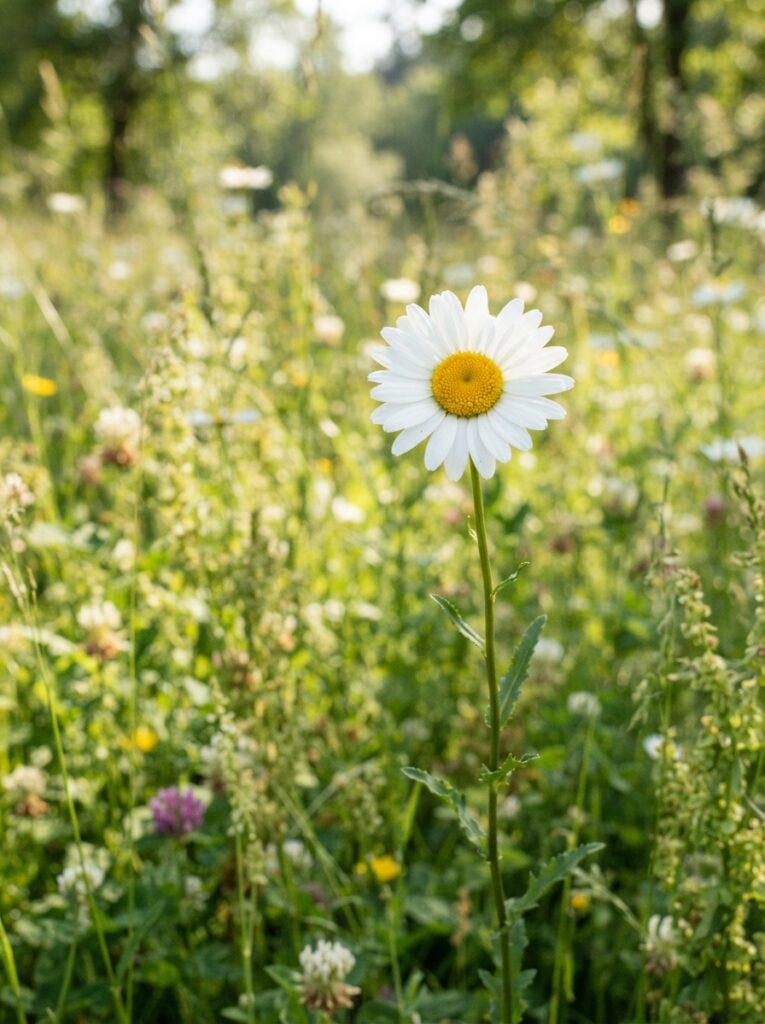
Shifting from Lesser Celandine’s shiny ground cover, Oxeye brings the height back with tall, sturdy stems reaching three to five feet. The flowers look like classic sunflowers in miniature, bright yellow with darker yellow centers, blooming in loose clusters through mid to late summer. Rough, lance-shaped leaves run up the stem, giving the plant a slightly bristly feel.
This one gets mixed reviews from gardeners. It’s technically a native wildflower in many US regions, so pollinators flock to it. The catch is how quickly it spreads through both seeds and creeping rhizomes, forming dense stands in meadows and prairie edges. Leaving a patch at the back of a naturalized garden works well. For tighter spaces, cutting flower heads before they set seed keeps the spread in check.
That sunflower-in-miniature look brings a slice of open prairie feel right into an ordinary backyard.
22. Yellow Trout Lily
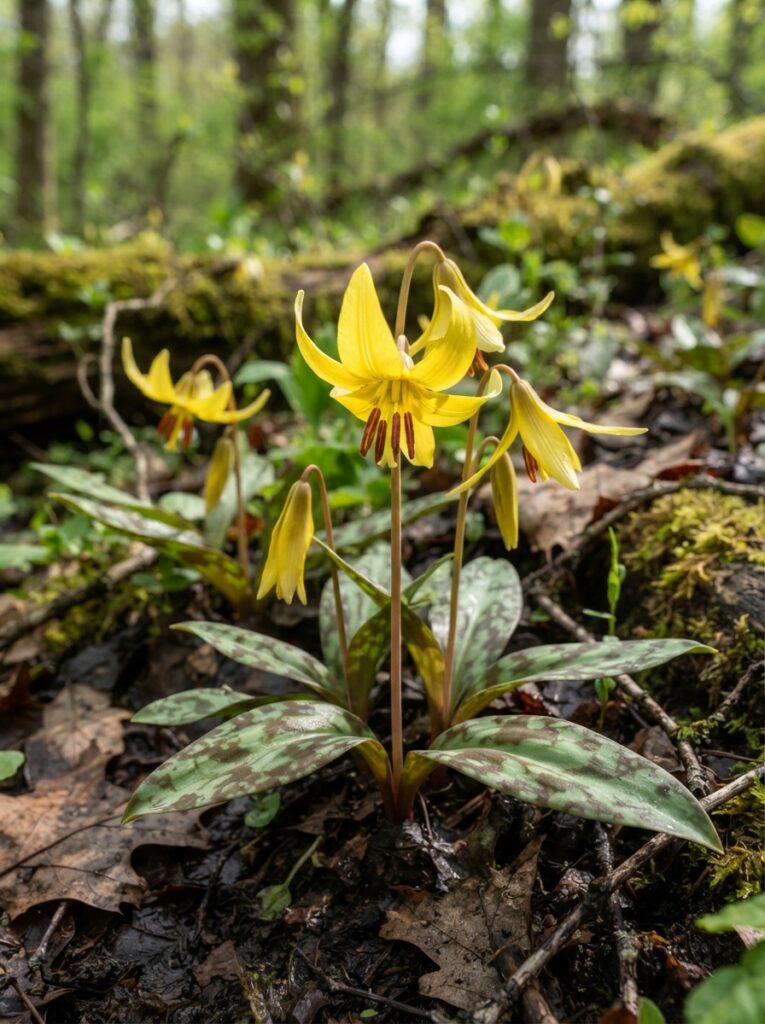
Coming off that prairie-style Oxeye, Yellow Trout Lily switches gears completely with a delicate, woodland charm. It grows just six inches tall with nodding yellow bell-shaped flowers that curve back at the petals, hanging above mottled green and brown leaves that look almost like fish scales. Rich, moist forest floors in early spring are its natural home.
This one isn’t really a weed in the aggressive sense. It spreads slowly through underground runners, forming small colonies over many years. Some gardeners actually plant it on purpose for that fleeting spring show before the trees leaf out. If it appears in a shady garden bed, leaving it alone is usually the best call. Digging disturbs the delicate root system and rarely ends well for the plant.
That short-lived spring bloom feels like the forest floor whispering the season has finally arrived.
23. Hoary Alyssum
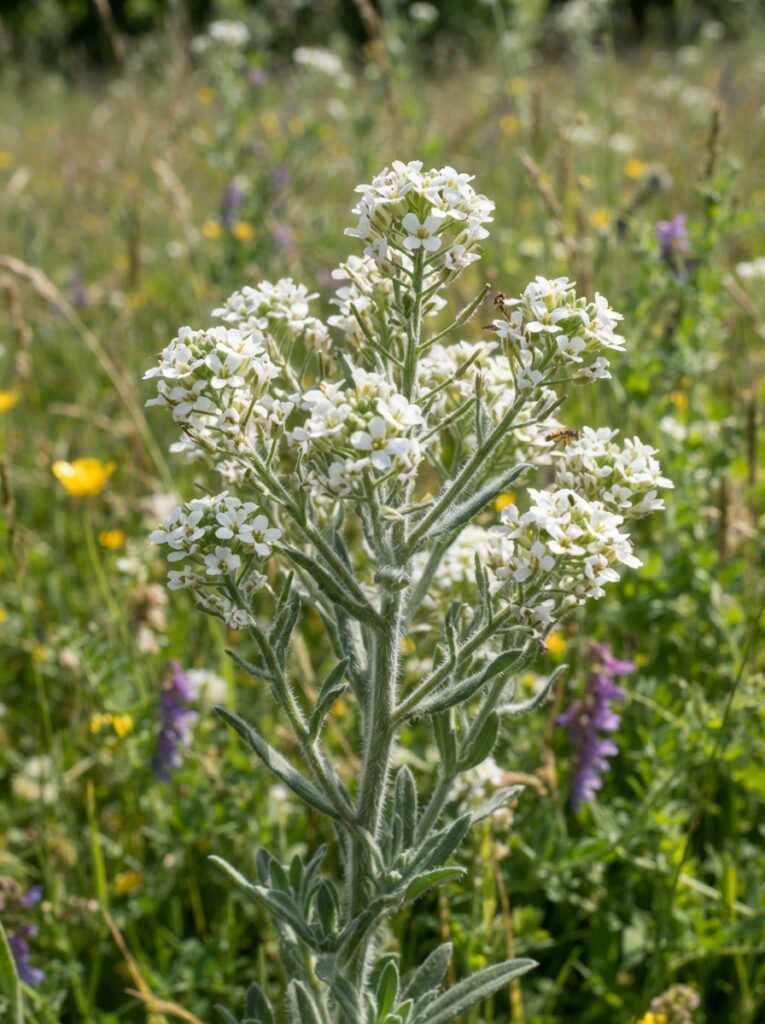
After that gentle Trout Lily moment, Hoary Alyssum brings back the tougher, more persistent weed energy. It grows one to two feet tall with slender stems and small four-petaled yellow flowers clustered at the tips. The whole plant has a grayish-green tint from tiny hairs covering the leaves and stems, giving it that pale, dusty look the name suggests.
Dry, sandy soil, gravel drives, and overgrazed pastures are where it takes hold most easily. The real concern is that Hoary Alyssum is toxic to horses, causing swelling and other issues when eaten in hay. That makes it a serious problem for anyone with pastures nearby. Pulling before flowering works for small patches, and improving soil health helps thicker grass crowd it out over time.
That kind of low-key, dusty-looking weed proves that not every pretty bloom deserves a free pass in the yard.
👉 Suggestion: For anyone with horses or livestock nearby, inspect hay bales carefully before feeding and walk pastures weekly during spring and early summer. Catching Hoary Alyssum before it flowers prevents seeds from ending up in stored feed later in the season.
24. Common Mullein
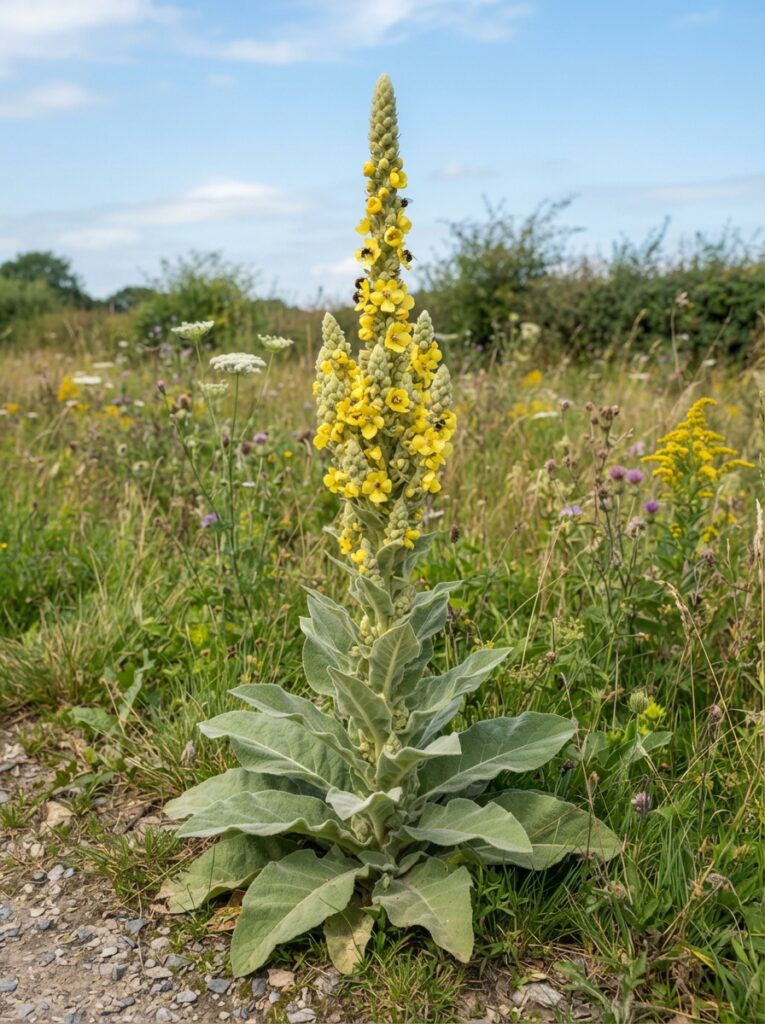
Following that pasture-focused Hoary Alyssum, Common Mullein takes a completely different approach with its towering, torch-like presence. First-year plants form a rosette of soft, fuzzy silver-green leaves that feel almost like flannel to the touch. In the second year, a single tall spike shoots up five to seven feet, covered in small yellow five-petaled flowers that open a few at a time.
That fuzzy leaf texture has earned it nicknames like flannel plant and cowboy toilet paper over the years. It settles into disturbed soil, roadsides, and gravelly slopes with ease, and each plant produces hundreds of thousands of seeds. A few easy lifehacks worth trying actually involve pulling first-year rosettes before they bolt, since one solid tug in soft spring soil often removes the whole plant.
That tall yellow torch rising above a meadow feels like nature putting up its own summer landmark.
25. Yellow Iris
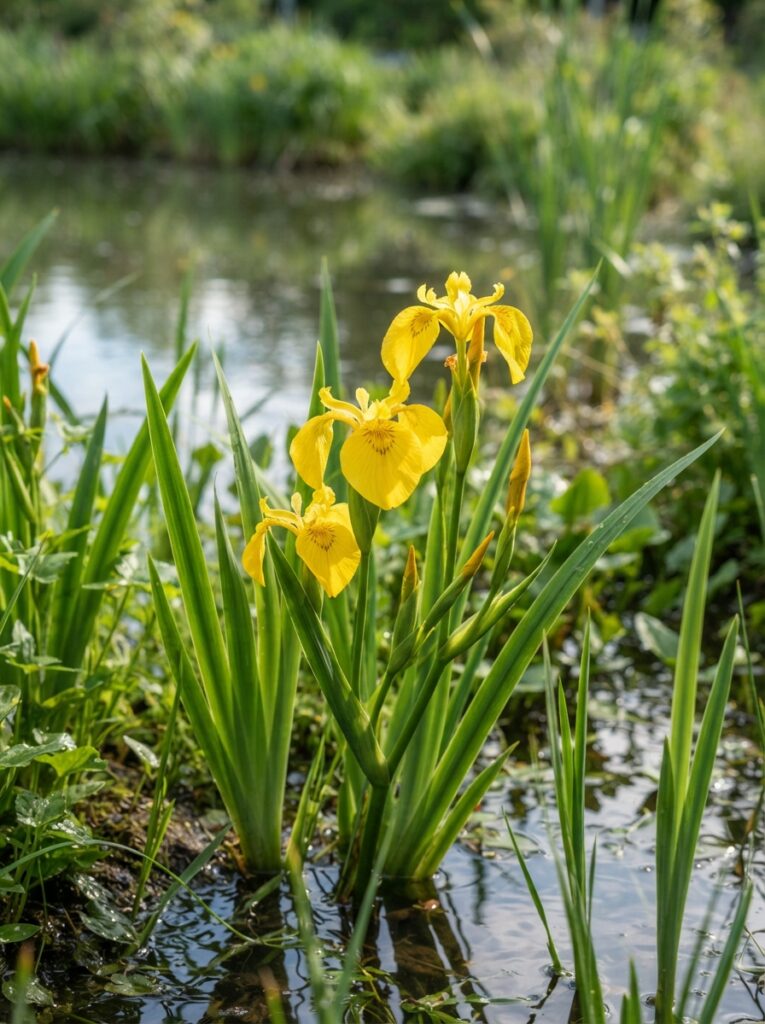
Coming off that towering Mullein, Yellow Iris brings elegance to the yellow lineup with large, showy blooms that look straight out of a formal garden. The flowers open in classic iris shape with three drooping petals and three upright ones, all in bright yellow with delicate brown veining near the center. Sword-shaped leaves rise three to four feet from the base.
This one settles in wet places like pond edges, ditches, and stream banks. It looks so pretty that people used to plant it on purpose, which is exactly how it spread across so much of the US. The problem is how aggressively it takes over wetlands, crowding out native plants that wildlife depends on. Removing it means digging out the whole rhizome, which can be a real workout in soggy ground. Gloves help too, since the sap irritates skin.
That kind of beauty-turned-bully story is a good reminder that not every stunning bloom belongs in every setting.
26. Yellow Star Thistle
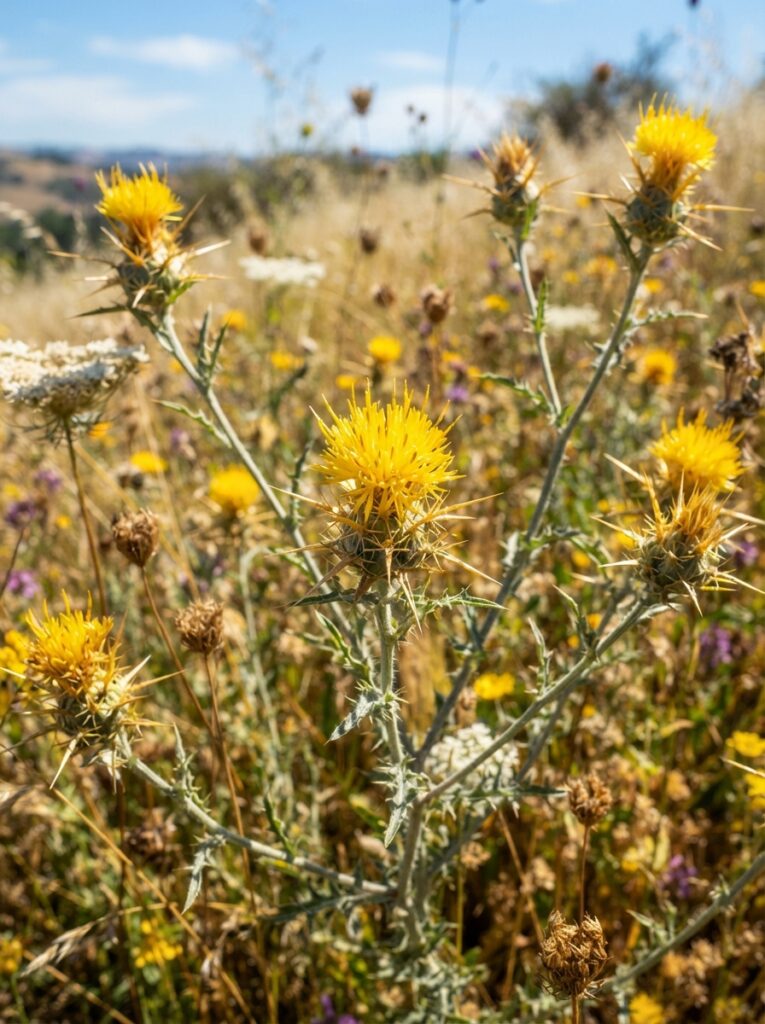
Shifting from that elegant Yellow Iris, Yellow Star Thistle takes the yellow lineup into much sharper territory. It grows one to three feet tall with branching stems and small yellow flower heads surrounded by long, stiff spines that radiate outward like tiny stars. The leaves are narrow and grayish-green, giving the whole plant a dusty, dry-looking appearance.
Open fields, roadsides, and overgrazed pastures across the western US are where it takes hold hardest. The spines make it painful to handle and dangerous for livestock, especially horses, since ingestion can cause serious neurological problems. Pulling requires thick gloves and long sleeves, and timing matters. Getting it out before the flower heads mature stops the seed spread cold. Repeated mowing helps in larger patches too.
That kind of spiky, unwelcoming bloom is exactly why some yellow flowers need to come out fast.
27. Common Groundsel
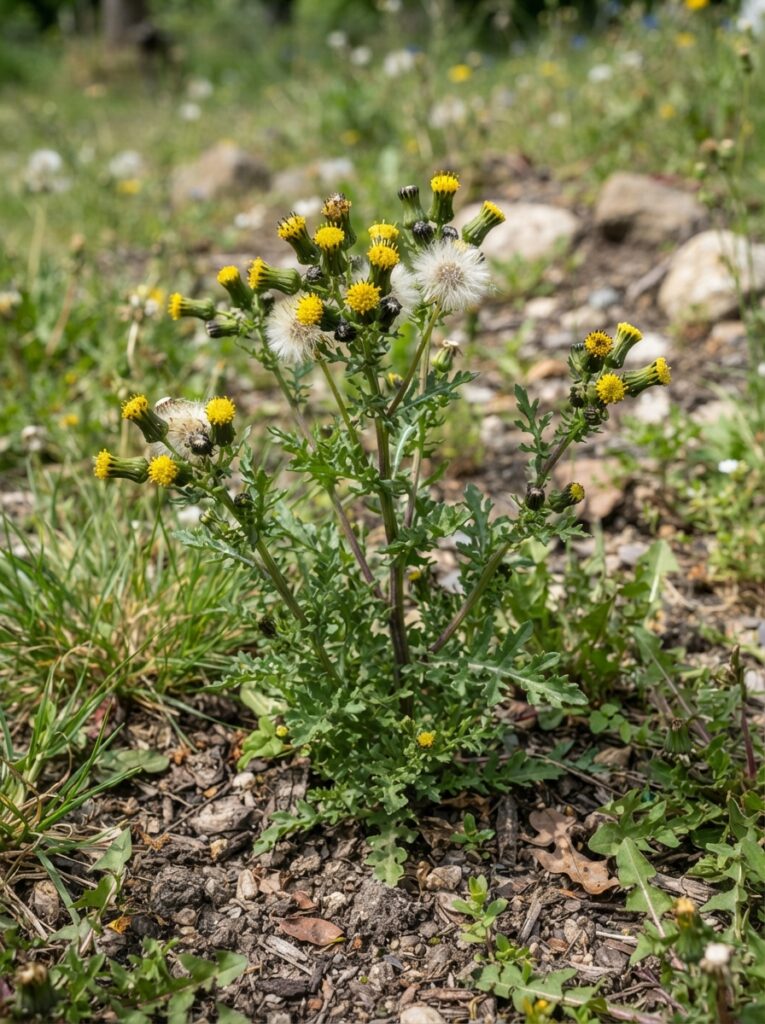
Wrapping up the yellow weed lineup, Common Groundsel keeps things small but surprisingly persistent. It grows about a foot tall with small yellow flower heads that barely open, quickly turning into fluffy white seed puffs that drift on the wind. The leaves are deeply lobed with a slightly succulent feel, and the stems have a pale, almost purplish tint at the base.
This one shows up in vegetable gardens, flower beds, and container plantings with impressive timing, often flowering within weeks of sprouting. Cool weather is its favorite, so spring and fall are peak Groundsel season. It’s toxic to livestock and horses, which makes control important on any property with animals. Hand-pulling works well since the roots come up easily, and catching it before those puffballs form saves a lot of work later.
That last little yellow bloomer proves the whole yard tells a story, one weed at a time.
Frequently Asked Questions
Are all yellow-flowering weeds bad for the lawn?
Not at all. Some yellow weeds like Golden Ragwort and Yellow Trout Lily are actually native wildflowers that support pollinators and add charm to shaded corners. Others, like Wild Parsnip and Yellow Star Thistle, cause real problems for people, pets, or livestock. The trick is learning to tell them apart before deciding what stays and what needs pulling.
What’s the easiest way to remove yellow weeds from a lawn?
Timing matters more than tools. Pulling weeds when the soil is damp after rain makes root removal way easier, especially for taproot plants like Dandelion and Sow Thistle. A long-handled weeding tool helps reach deep roots without breaking them. For creeping types, catching them early before runners spread saves hours of work later in the season.
Which yellow weeds are dangerous to touch?
Wild Parsnip is the top concern since its sap causes severe skin burns in sunlight. Cypress Spurge and Yellow Iris also have irritating sap that can bother sensitive skin. Prickly Sow Thistle and Yellow Star Thistle bring physical hazards through spines and bristles. Thick gloves, long sleeves, and eye protection make handling any unfamiliar yellow weed much safer.
Do yellow weeds mean the soil has a problem?
Sometimes, yes. Black Medic often shows up when soil gets compacted and grass thins out. Butterweed thrives in soggy, poorly drained spots. Hoary Alyssum favors sandy, low-nutrient ground. Reading which weeds appear where can actually reveal what the soil needs, whether that’s aeration, better drainage, or a boost in organic matter to help grass compete.
Can any yellow weeds be eaten or used for anything?
Several are edible when properly identified. Dandelion greens, Yellow Wood Sorrel leaves, young Wintercress, and Yellow Rocket shoots all have culinary uses. Common Evening Primrose roots were traditionally eaten, and its oil still appears in skincare products today. Always double-check identification with a reliable source before eating anything from the yard, since lookalikes can cause serious trouble.
When is the best time of year to tackle yellow weeds?
Early spring is the sweet spot for most yellow weeds. Rosettes are easier to spot before other plants grow tall, and the soil stays soft from spring rain. Catching weeds before they flower stops seed spread cold, which saves work for years to come. Fall is a close second for perennial types with deep roots.
Do yellow weeds attract pollinators?
Many of them do, and that’s part of what makes control tricky. Dandelions, Goldenrod, Yellow Sweet Clover, and Common Evening Primrose all feed bees, butterflies, and moths. Leaving a small patch in a naturalized corner supports pollinators without letting weeds take over the main garden. It’s a balance worth considering before pulling everything on sight.
Conclusion
Yellow weeds have a way of turning up in every corner of the yard, from lawn edges to flower beds to the cracks in the driveway. Some bring pollinators and charm to wildflower corners, while others need pulling before they take over. Learning to tell them apart makes every gardening decision feel a little more confident.
Keep this guide handy for the next time a mystery yellow bloom shows up. A quick check for leaf shape, stem texture, and flower cluster style usually points to the right answer within seconds. Whether the plan is to pull, mow, or let a patch grow wild for the bees, knowing what’s out there changes the whole experience. The yard starts feeling less like a battle and more like a conversation with the season.