20 Small Living Room Ideas That Make Tight Spaces Feel Bigger
Small living rooms come with a quiet challenge. Every inch has to work harder, every choice has to earn its spot, and the wrong piece can throw off the whole feel of the room. But here’s the good news. A small living room doesn’t have to feel small. With the right tricks, it can feel open, layered, and lived-in without losing an ounce of personality.
The secret isn’t buying more stuff. It’s about making smarter moves with what the space already offers. Think vertical storage, clever light placement, patterned rugs that pull the eye, and furniture that pulls double duty when guests show up on a Friday night.
These 20 ideas focus on real, doable shifts that make a compact living room feel bigger, warmer, and way more intentional. Whether the goal is a full refresh or one weekend upgrade, there’s something here worth trying. The kind of changes that make a small room feel like the coziest spot in the whole house.
1. Stick To One Color Palette
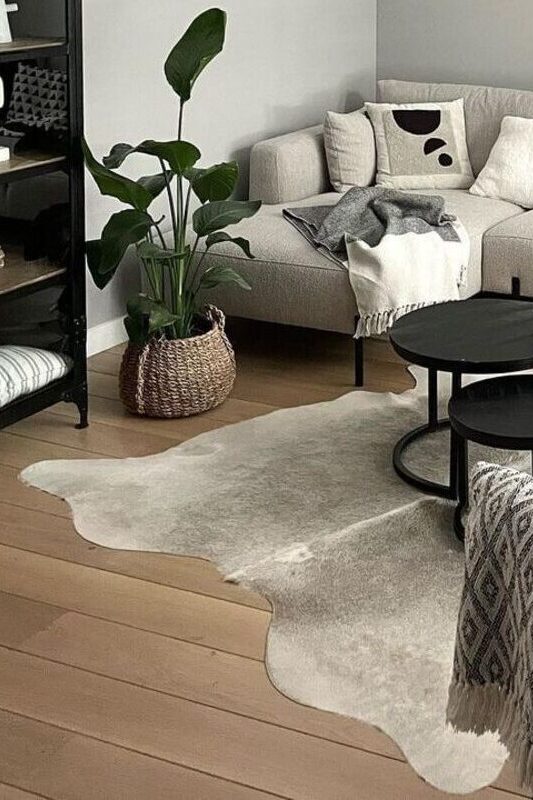
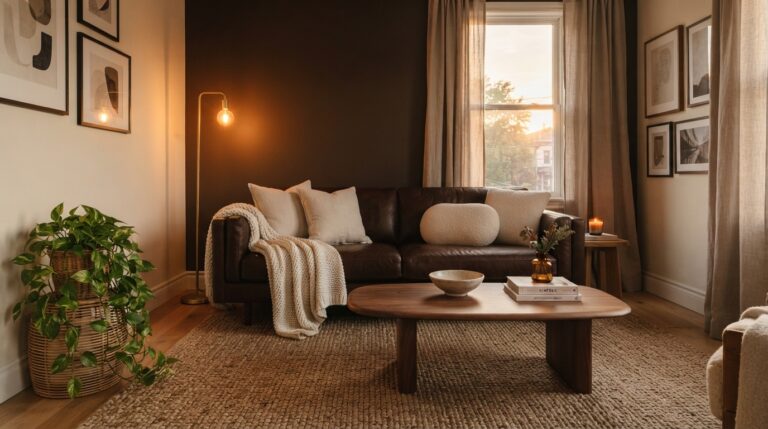
Small living rooms feel biggest when the eye isn’t jumping from one loud color to the next. Sticking to a single palette gives the whole space a calm, pulled-together look that instantly makes the room feel larger than it actually is. Think soft whites, warm beiges, muted sages, or gentle greiges layered from wall to sofa to rug.
The reason this works comes down to visual flow. When colors blend into each other, the walls seem to stretch further and the furniture stops competing for attention. Add depth through texture instead. A boucle throw, a linen cushion, a nubby wool rug. That’s the layer that keeps a one-tone room from feeling flat. The kind of space where a quiet afternoon with a cup of tea feels perfectly at home.
A smart pick for renters and anyone chasing a bigger, breezier feel without knocking down walls.
2. Use The Vertical Space

Small living rooms usually have more space than people realize. It’s just hiding up high. Walls stretch all the way to the ceiling, and using that upper zone is one of the smartest moves for a compact room. Tall bookcases, floor-to-ceiling shelves, or a stack of framed art draw the eye up and make the ceiling feel taller than it really is.
The trick is balance. Keep the lower half of the room grounded with a solid sofa or chunky console, then let the upper half breathe with lighter, taller pieces. A slim ladder shelf in the corner, a pair of tall plants, or a row of woven baskets above a cabinet all pull the room upward without crowding the floor. Perfect for those who want more storage without losing walking room.
The kind of layout that feels open, airy, and quietly clever from the moment someone walks in.
💡 Pro Tip: Paint the top shelf or upper wall trim the same shade as the ceiling. It blurs where the wall ends, making the whole room feel noticeably taller.
3. Add Mirrors
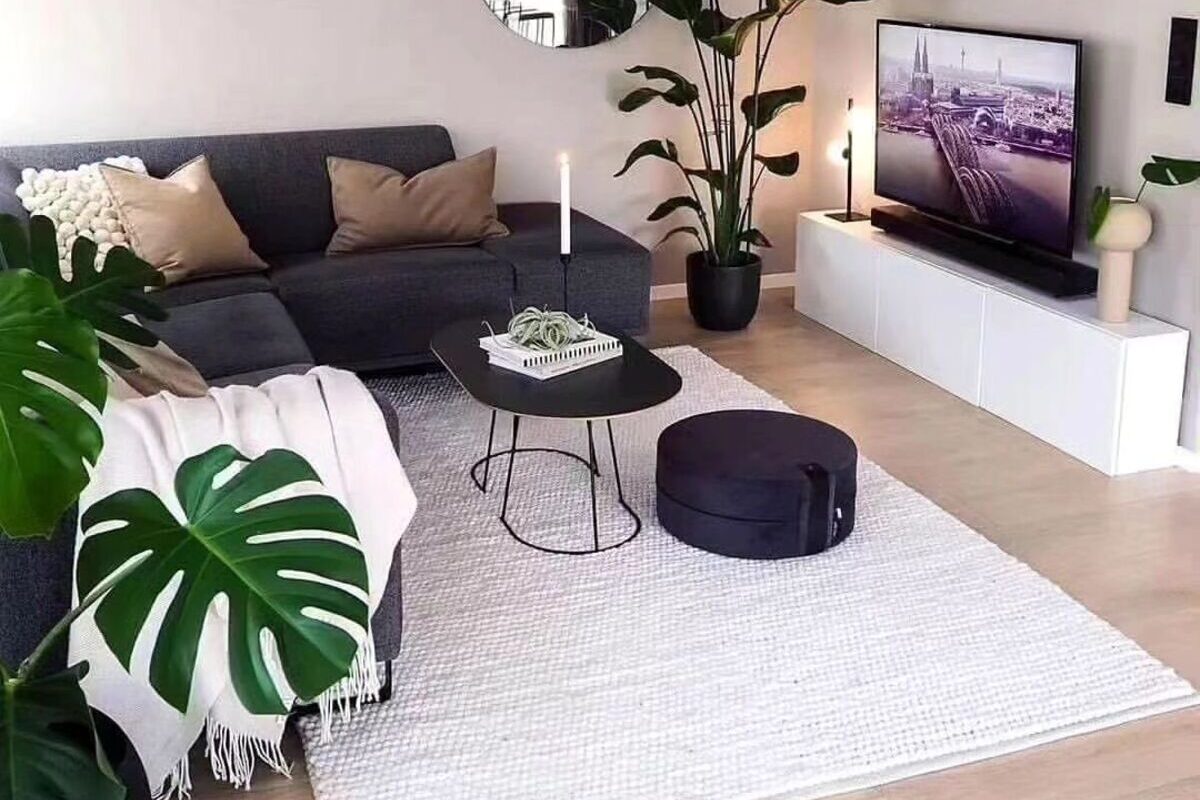
Mirrors are the oldest trick in the small-space playbook, and there’s a reason they keep showing up in every designer’s toolkit. They bounce light, double the view, and instantly make a tight living room feel twice as open. One large mirror leaning against a wall can do more for a small space than a whole gallery of art.
Placement is where the magic really happens. A mirror across from a window pulls daylight deeper into the room, while one behind a lamp or candle multiplies the glow after sunset. Round shapes soften a boxy room, arched styles add a soft architectural moment, and vintage frames give the whole setup a bit of character. Skip the tiny decorative ones and go bold with scale instead.
The kind of upgrade that costs less than a new sofa but changes how the whole room feels the second the sun hits it.
4. Place The Artwork Strategically
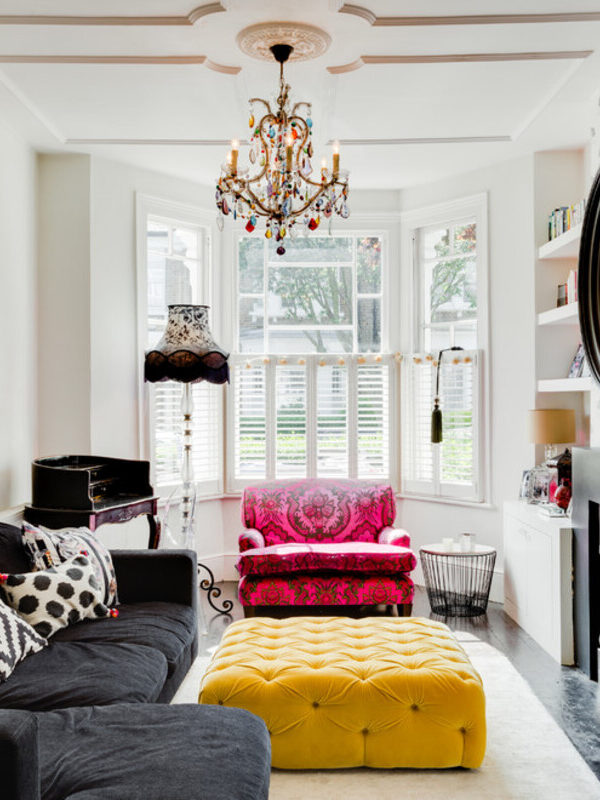
Artwork can either open up a small living room or make it feel cluttered. The difference comes down to where it lands. In a compact space, one large piece usually beats a wall full of smaller frames. It gives the eye a single focal point to land on, which makes the whole room feel calmer and more intentional.
Hang art at eye level, not floor level or ceiling level. That sweet spot around 57 inches from the ground is where the human eye naturally rests. Above the sofa, a wide horizontal piece stretches the wall sideways. In a narrow corner, a tall vertical print does the opposite and lifts the room. Leaning a large canvas against the wall works too, especially in rental setups where nail holes aren’t ideal.
The kind of styling move that turns a blank wall into the quiet showstopper of the room.
5. Utilize The Alcoves
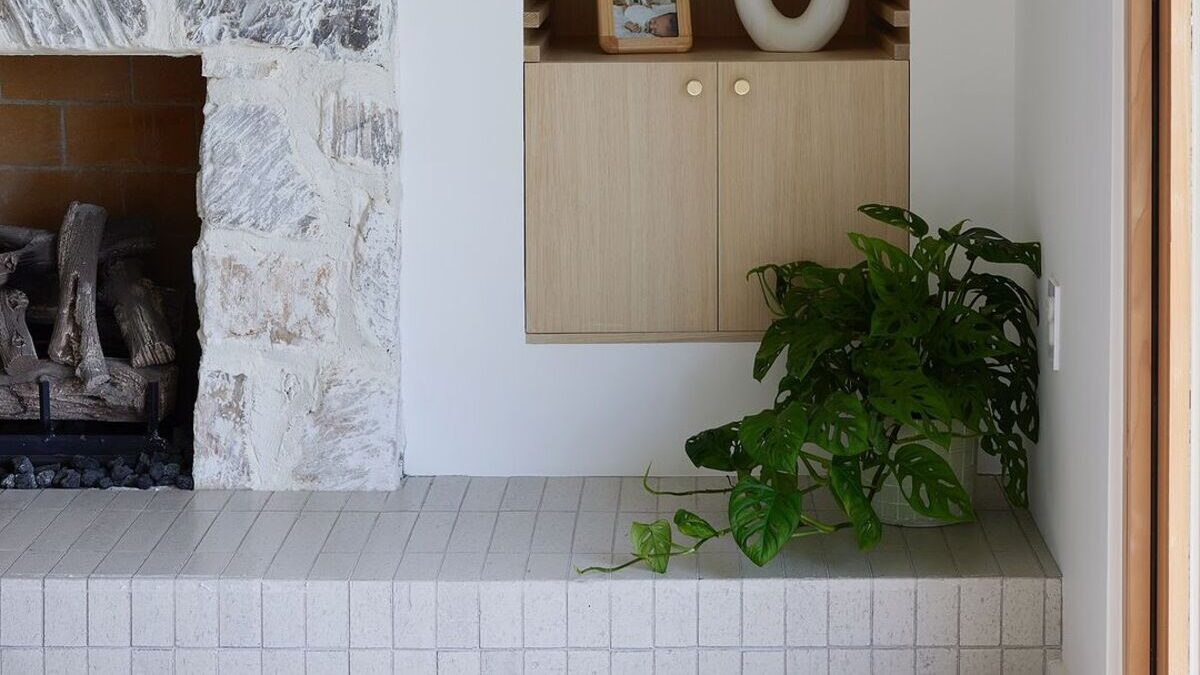
Alcoves are those awkward little nooks that most people forget about, usually tucked beside a fireplace or between two walls. In a small living room, they’re pure gold. Instead of leaving them empty or shoving a random chair in there, treat them like built-in opportunities waiting for a purpose.
Floating shelves inside an alcove create instant storage without eating into the main floor space. A slim reading nook with a cushioned bench and a wall sconce turns a forgotten corner into the coziest spot in the house. Painted in a deeper shade than the rest of the walls, an alcove adds depth and makes the room feel layered instead of flat. Even a tall plant or a stack of art books can give the space real character.
The kind of detail that makes guests pause and ask where that little corner came from, even though it was always there.
Suggestion: Try adding warm LED strip lighting along the top edge of the alcove shelves. It creates a soft evening glow that turns the nook into a mood-lit feature after dark.
6. Opt For A Large Sofa
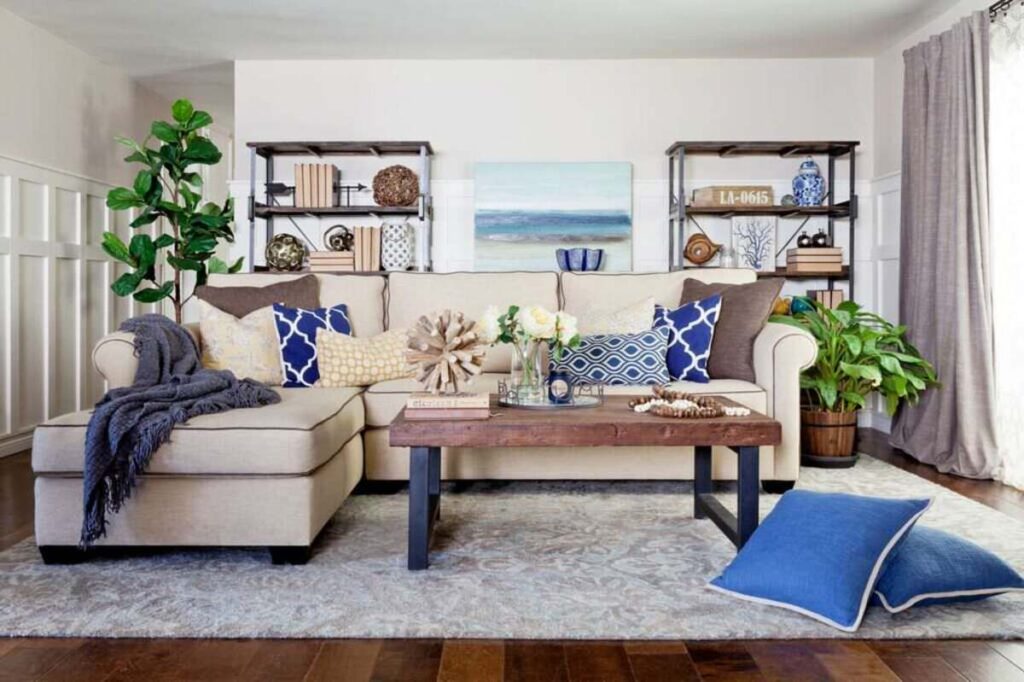
It sounds backwards, but a bigger sofa often works better in a small living room than a tiny one. Small sofas tend to make a room feel choppy, with too many pieces fighting for attention. One generous sofa anchors the space, cuts down on visual clutter, and gives the room a clear sense of purpose.
The key is choosing the right style. Look for a sofa with clean lines, exposed legs, and a low back. Raised legs let light travel underneath, which keeps the room feeling airy instead of blocked off. A neutral fabric blends into the walls and stretches the visual space even further. Skip the bulky rolled arms and deep skirts. Those swallow up every inch they can find.
The kind of piece that makes movie nights feel indulgent and Sunday afternoons feel like the whole point of having a living room.
7. Create An Accent Wall

An accent wall gives a small living room something to focus on, which is exactly what tight spaces need. Without a clear focal point, the eye bounces around and the room feels smaller than it is. One bold wall pulls everything together and gives the whole space a sense of direction.
Choose the wall behind the sofa or the one that greets people as they walk in. Deep greens, warm terracottas, or soft charcoals add depth without shrinking the room. Wallpaper with a subtle pattern works too, especially vertical stripes that pull the ceiling higher. For renters, peel-and-stick options deliver the same drama without the commitment. Wood paneling, board and batten, or a limewash finish all add texture that flat paint just can’t match.
The kind of upgrade that turns a plain box of a room into something with real personality and a story worth telling.
8. Blend The TV Unit

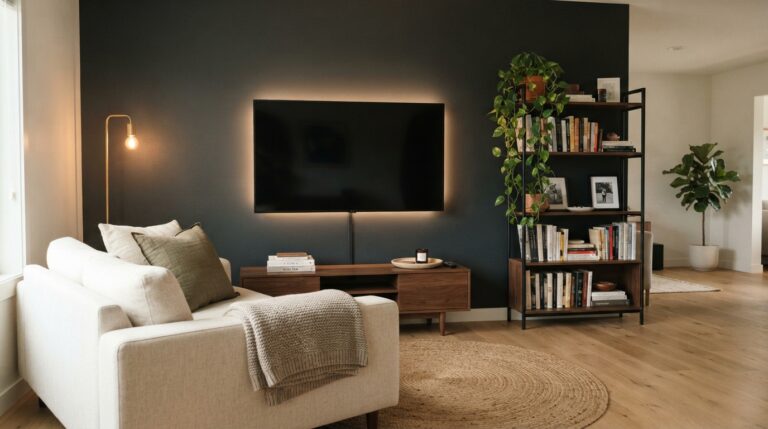
The TV can either disappear into the room or dominate it. In a small living room, the goal is to make it blend so the space doesn’t feel like a mini theater. A dark TV against a light wall stands out like a black hole, pulling attention every time someone walks in. Painting the wall behind it a deeper shade helps the screen melt right in.
Better yet, build the TV into a full wall setup with shelves, cabinets, and books surrounding it. That way, the screen becomes just one part of the whole picture instead of the star of the show. Floating consoles keep the floor visible, which stretches the room visually. Mounting the TV at eye level from the sofa also matters more than most people realize. Too high and it strains the neck all evening.
The kind of setup that makes movie nights feel intentional and the room feel like a proper living space, not a screen room.
9. Layer The Storage
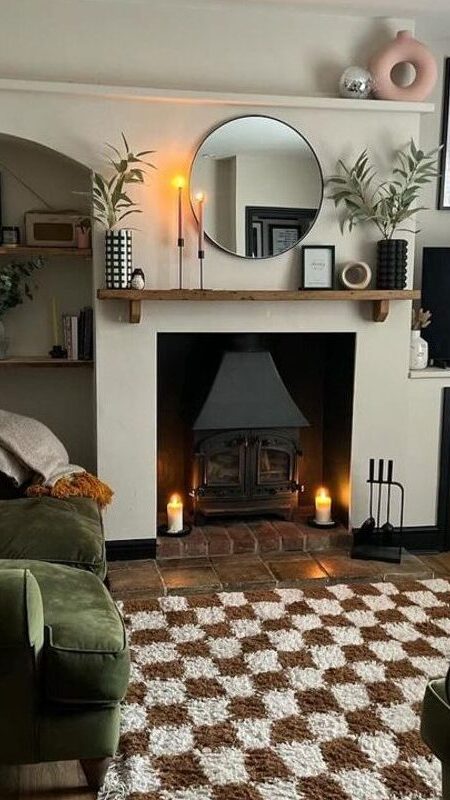
Storage in a small living room can’t just be one big cabinet shoved against a wall. It has to work in layers. Low storage for the everyday stuff, mid-level shelves for books and decor, and upper spots for the things that don’t get grabbed often. That layered approach keeps the room organized without feeling like a warehouse.
Think baskets under the coffee table, a storage ottoman doing double duty as a footrest, and slim drawers tucked into a console. Mixing closed and open storage matters too. Closed cabinets hide the clutter, while open shelves show off the pretty pieces. The same layered thinking works with wardrobes and drawers, and honestly, some of the best small-space storage ideas come from folks who’ve had to squeeze a full life into a tiny apartment.
The kind of setup that keeps everything within reach without making the room feel like it’s bursting at the seams.
10. Choose The Right Light Sources
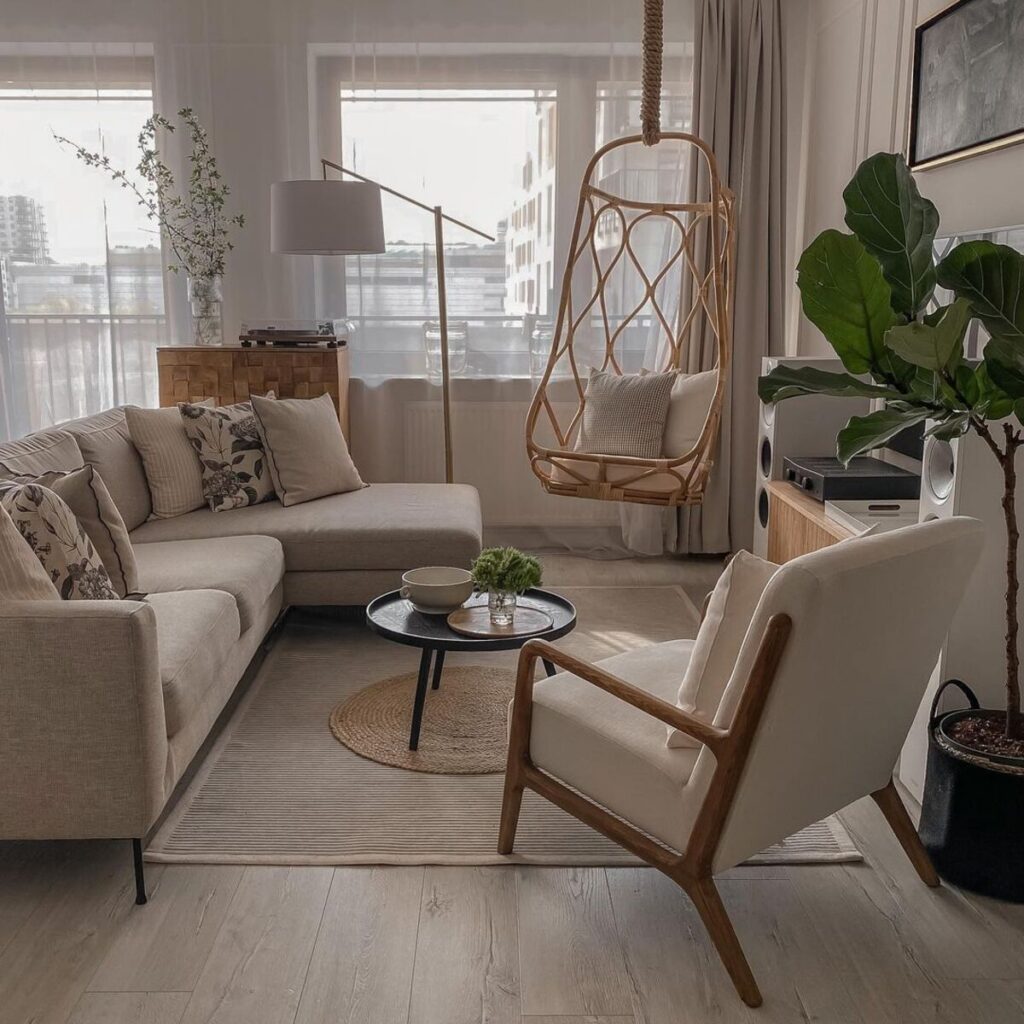
One ceiling light in a small living room is a recipe for a flat, uninviting space. Good lighting works in layers, and every layer plays a role. Overhead light sets the base, table lamps add warmth at eye level, and floor lamps fill the corners that usually sit in shadow. That mix is what makes a room feel alive after sunset.
Warm-toned bulbs beat cool white ones every time in a living room. Somewhere around 2700K to 3000K gives that soft, golden glow that makes people want to stay a while. A wall sconce beside the sofa saves table space, while a slim arc floor lamp curves over the seating area without taking up a footprint. Dimmers are the quiet hero here. One switch turns a bright afternoon room into a cozy evening hideaway.
The kind of lighting setup that makes a small room feel like the warmest corner of the whole home.
11. Go For Open Shelves
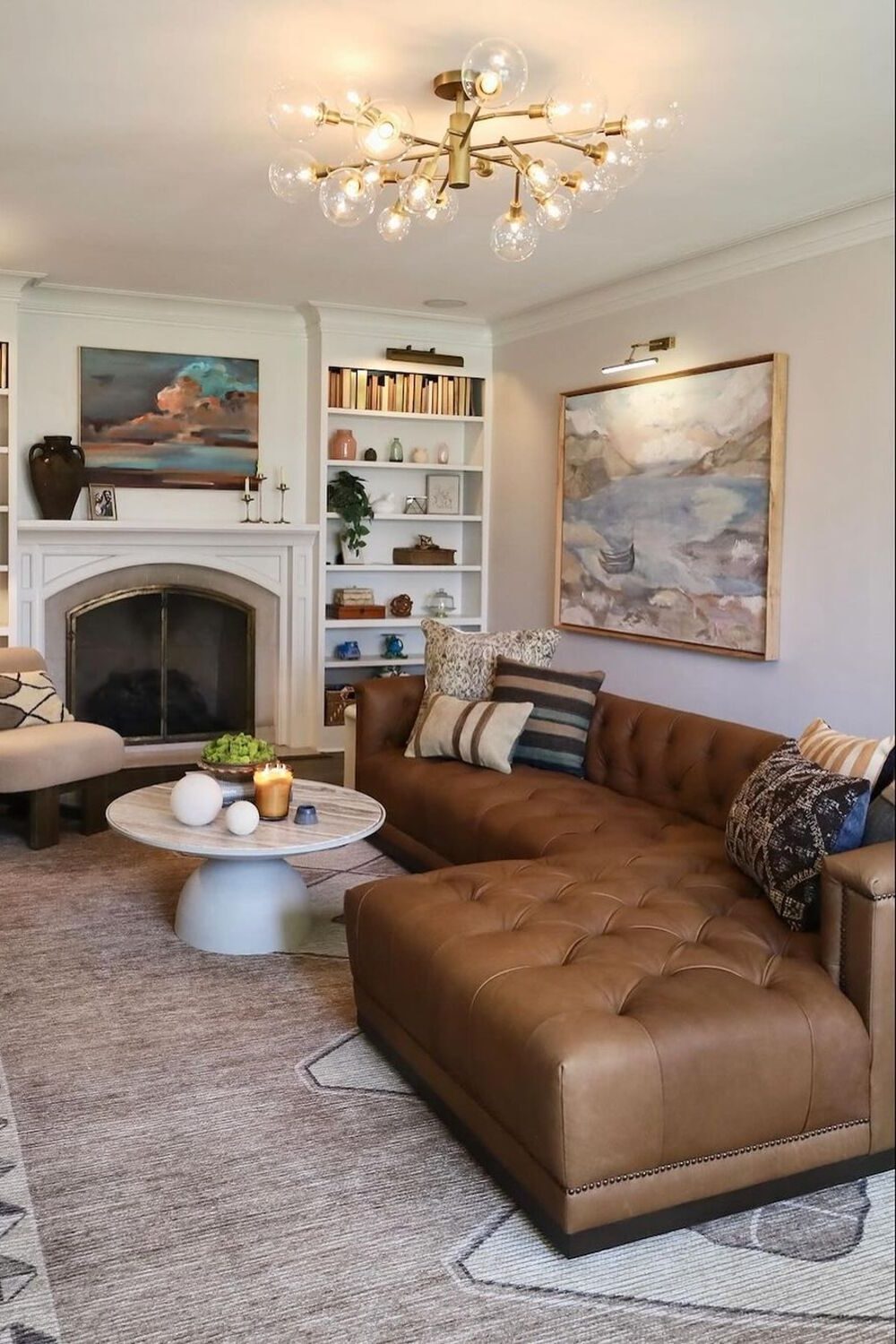
Open shelves do something closed cabinets never can. They keep the walls feeling light and breezy while still giving the room storage where it’s needed most. In a small living room, that visual openness matters more than most people think. Bulky cabinets can eat up a wall and shrink the whole space, while floating shelves let the wall breathe behind them.
The styling is what makes or breaks the look. Mix heights, textures, and materials. A stack of books next to a ceramic vase, a small plant leaning into the corner, a framed photo tucked behind a candle. Leave breathing room between pieces so the shelves don’t feel packed. Wood shelves add warmth, while thin metal brackets keep things looking light. Two or three shelves usually work better than a full grid, which can start to feel busy fast.
The kind of feature that turns a plain wall into a little snapshot of personality every time someone walks past.
Suggestion: Style the shelves in odd-numbered groupings — threes and fives always look more natural to the eye than pairs. It’s a stylist trick that instantly makes shelves feel curated instead of cluttered.
12. Focus On Dimension

A small living room falls flat when everything sits at the same height and depth. Dimension is what saves it. That means mixing tall pieces with low ones, soft textures with hard surfaces, and shiny finishes with matte ones. The eye needs somewhere to travel, and dimension gives it a path to follow around the room.
Start with the basics. A tall bookshelf next to a low sofa. A chunky wool rug under a sleek glass coffee table. Velvet cushions against a leather chair. Even the plants can play a role, with a tall fiddle-leaf in one corner and a trailing pothos on a shelf. These little contrasts add depth without adding clutter, which is exactly what a small room needs. Some of the smartest little upgrades come from mixing textures people already own instead of buying new stuff.
The kind of layered look that makes a compact living room feel rich, warm, and full of quiet character.
💡 Pro Tip: Follow the “high, medium, low” rule when arranging any surface. One tall item, one medium, one short. It instantly creates visual rhythm and stops the room from feeling flat.
13. Built-in The Storage Spaces
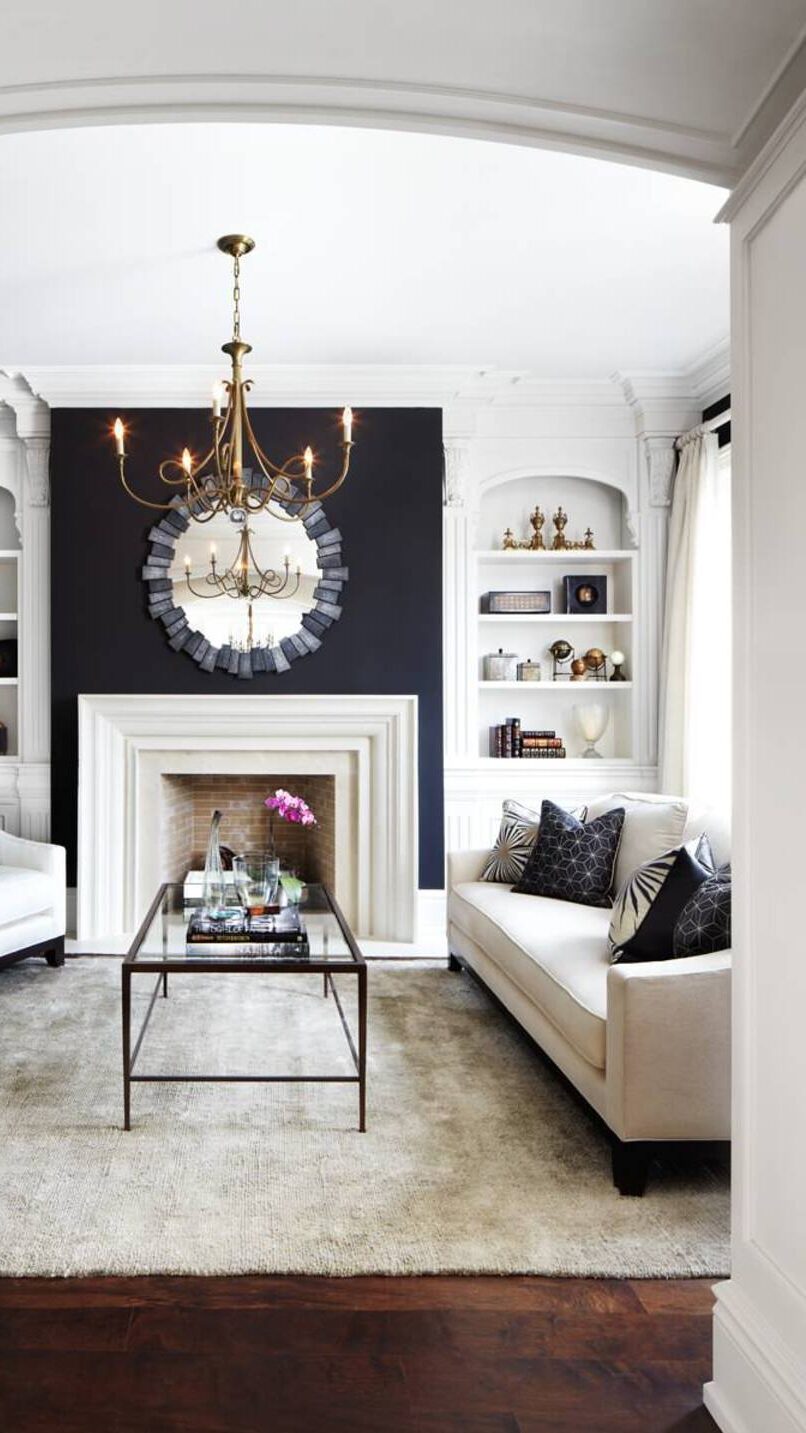
Built-in storage is the secret weapon of small living rooms. Freestanding furniture eats up floor space and leaves awkward gaps behind it, but built-ins hug the walls and disappear into the architecture. Suddenly a whole wall becomes storage without stealing an inch of walking room.
Think floor-to-ceiling cabinets around the TV, bench seating under the window with hidden drawers below, or slim shelves tucked into a corner that used to sit empty. Built-ins can be as fancy as custom cabinetry or as simple as a weekend project. Painted the same color as the walls, they blur right into the room and make the whole space feel bigger. The trick is treating them like part of the wall, not a piece of furniture stuck against it.
The kind of upgrade that pays off every single morning when everything has a spot and nothing sits on the floor waiting to be dealt with.
14. Use Multifunctional Furniture
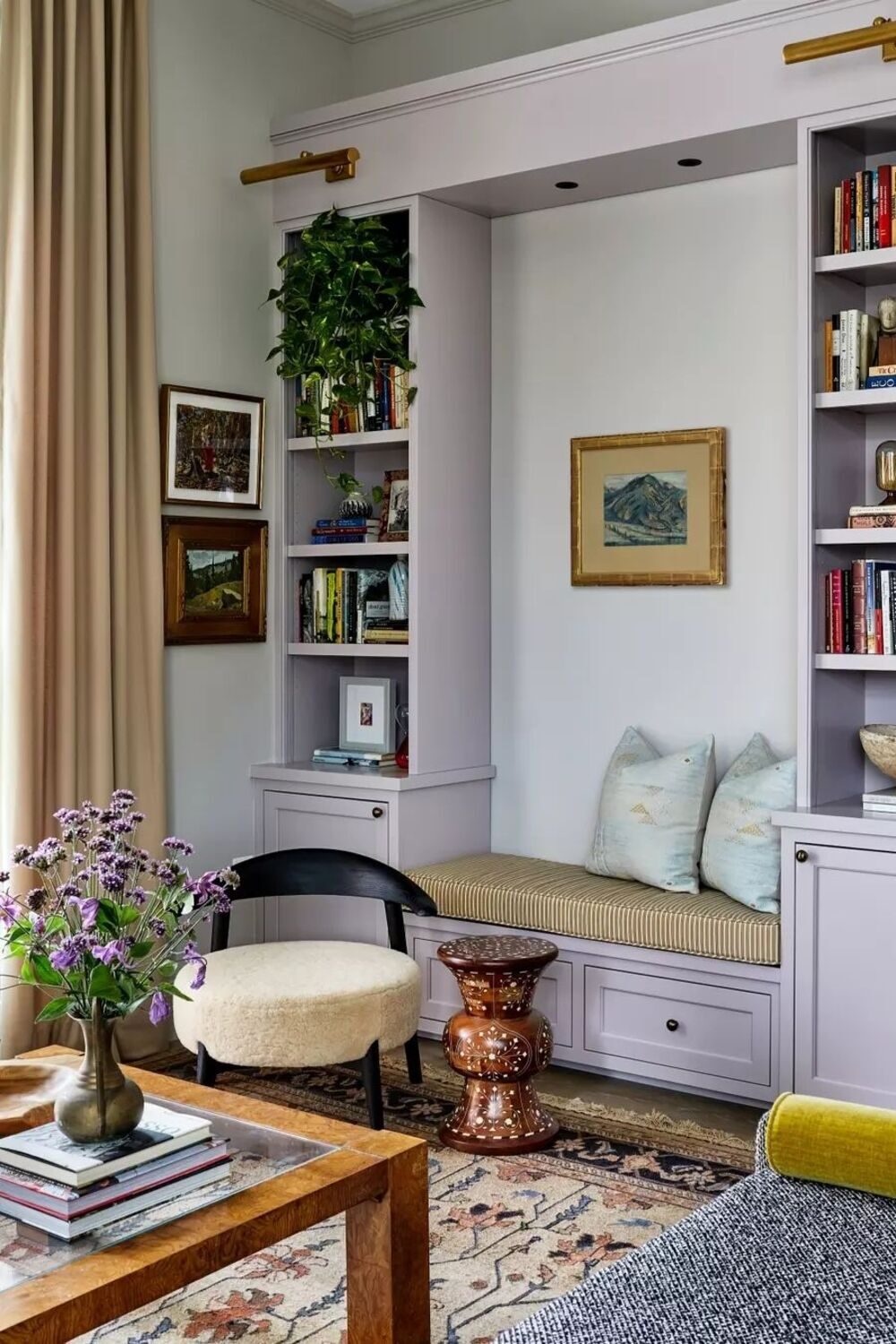
Every piece in a small living room should earn its keep. A coffee table that’s just a coffee table is a missed opportunity. One with lift-up storage inside becomes a place to hide throws, remotes, and the mail pile that shows up out of nowhere. That’s the mindset behind multifunctional furniture. Every piece works two or three jobs at once.
A storage ottoman doubles as a footrest, extra seat, and blanket bin. A nesting coffee table splits apart when guests need more surface space. A sofa bed handles overnight stays without needing a spare room. Even a slim console behind the sofa can hold books, lamps, and act as a snack station during movie nights. The best picks look like regular furniture but hide their real superpower underneath.
The kind of thinking that turns a tight room into a fully working space where nothing gets in the way of daily life.
15. Hang The Curtains Right Below The Ceiling
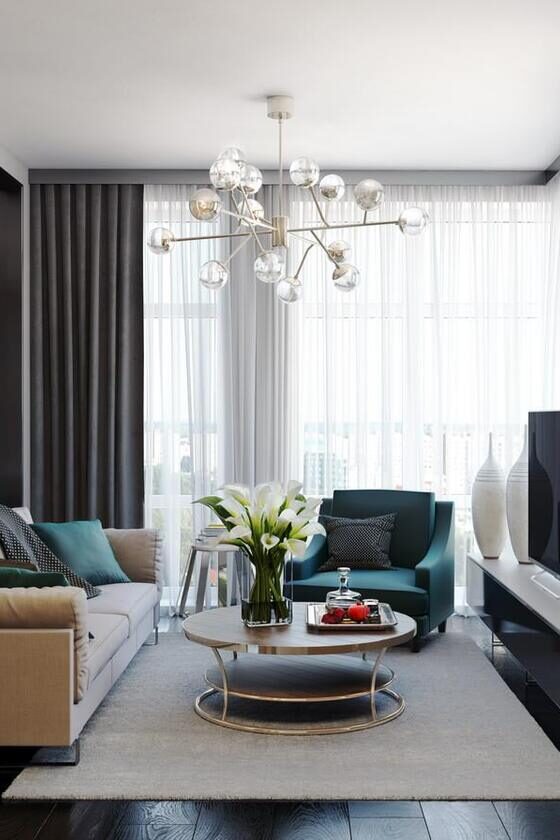
Curtains hung at window level make a room feel shorter than it actually is. Hanging them right below the ceiling instead is one of those tiny changes that completely shifts how a small living room feels. The eye follows the fabric all the way up, which tricks the brain into thinking the ceiling is way higher than it really is.
Go wider than the window too. Extend the curtain rod six to twelve inches past each side so the curtains hang beside the wall, not blocking the glass. That lets more light in during the day and makes the window itself look bigger. Stick with floor-length panels that just kiss the floor or pool slightly. Short curtains hovering above the ground make the whole setup look cropped. Light fabrics like linen or cotton keep the look airy, while heavier drapes add drama for evening.
The kind of trick that costs almost nothing but makes the room feel taller the second the curtains go up. And honestly, once the windows are dressed right, it’s tempting to tackle every other overlooked corner of the home, from the walls down to the oven racks that never seem clean enough.
16. Take Advantage Of The Existing Features
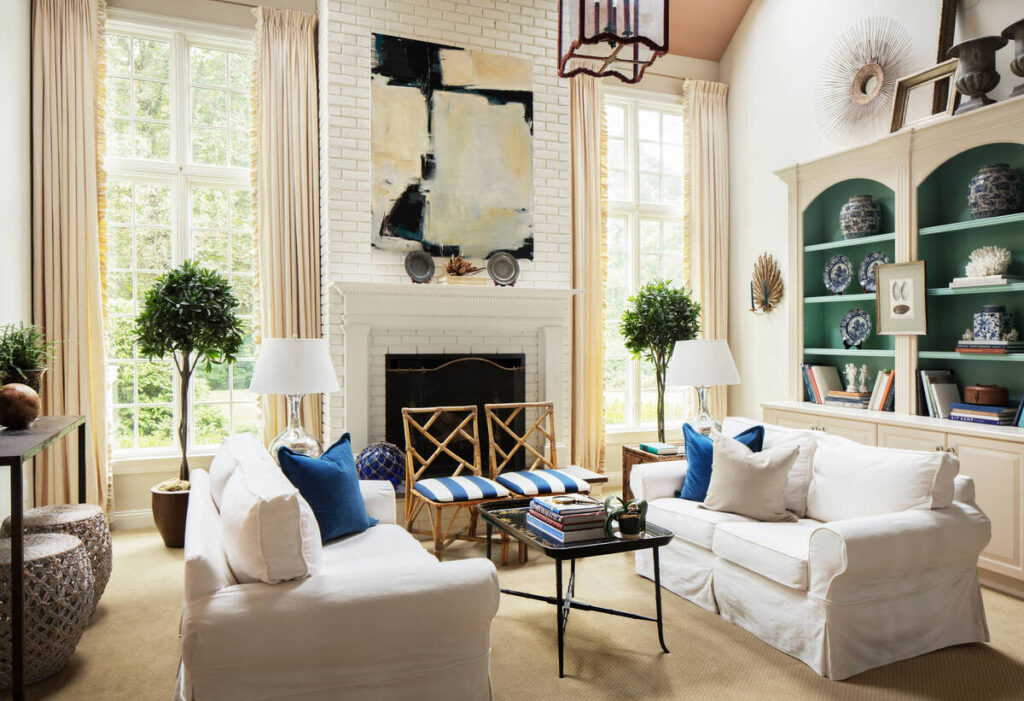
Every living room has features that were there before the furniture ever arrived. A bay window, a fireplace, a beam across the ceiling, an odd nook by the door. Small rooms benefit the most from leaning into these features instead of trying to hide them. That character is what gives the space a story, and covering it up flattens everything.
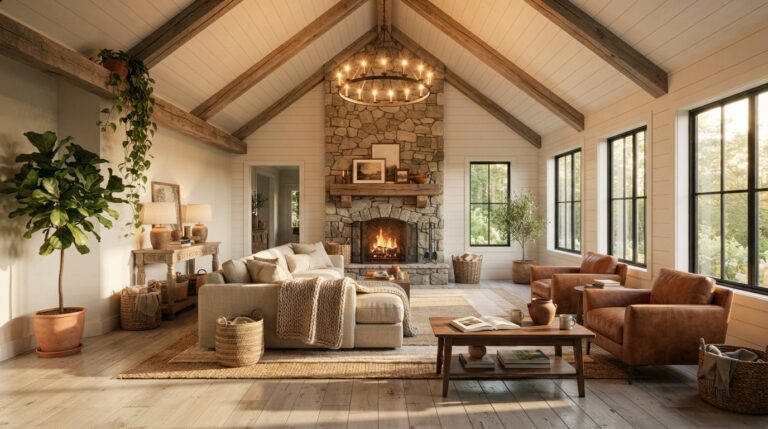
A fireplace becomes the natural focal point, so arrange the sofa and chairs to face it. A bay window turns into a reading spot with a cushion and a small side table. Ceiling beams add drama when painted or stained to stand out. Even a slightly slanted wall in an attic-style room can become the coziest corner with the right chair tucked underneath. Working with what’s already there saves money and makes the room feel intentional from day one.
The kind of approach that turns quirks into charm and gives a small living room the kind of personality that feels earned, not bought.
💡 Pro Tip: Photograph the room from the doorway before making any changes. That single snapshot makes it easier to spot the existing features worth highlighting and the ones getting lost in the mix.
17. Add Character To The Walls

Blank walls make a small living room feel unfinished, but overloaded walls make it feel cramped. The sweet spot lies somewhere in the middle, where the walls add character without stealing the room’s air. Molding, wainscoting, picture rails, or a simple half-wall trim all bring texture and depth without needing a single frame.
DIY projects work beautifully here. A grid of thin wooden strips painted the same shade as the wall creates a modern paneled look on a tight budget. Peel-and-stick wallpaper turns one wall into a statement in under an hour. Even a few strategically placed hooks holding woven hats or vintage mirrors can add layers of interest. Some of the smartest wall projects come together with nothing more than a few clever glue gun tricks and a weekend afternoon.
The kind of small touches that make a rental feel owned and an owned space feel truly personal.
18. Create A Wall Of Books

A wall of books instantly gives a small living room warmth, personality, and a lived-in feel that no store-bought decor can match. Books add color, texture, and quiet character to a room, and stacking them across a full wall turns storage into a statement piece.
Floor-to-ceiling shelves make the biggest impact, but even a modest bookcase pushed against one wall does the trick. Mix vertical stacks with horizontal ones to break up the visual rhythm. Slot in a few objects between the books too. A small sculpture, a framed photo, a candle, a trailing plant. Those little pauses keep the shelves from feeling like a library and more like a curated space. Painting the back of the shelves a deeper shade adds contrast and makes the books pop.
The kind of feature that becomes the heart of the room, the quiet backdrop to lazy afternoons, coffee dates, and long conversations that stretch into the evening.
19. Optimize Natural Light
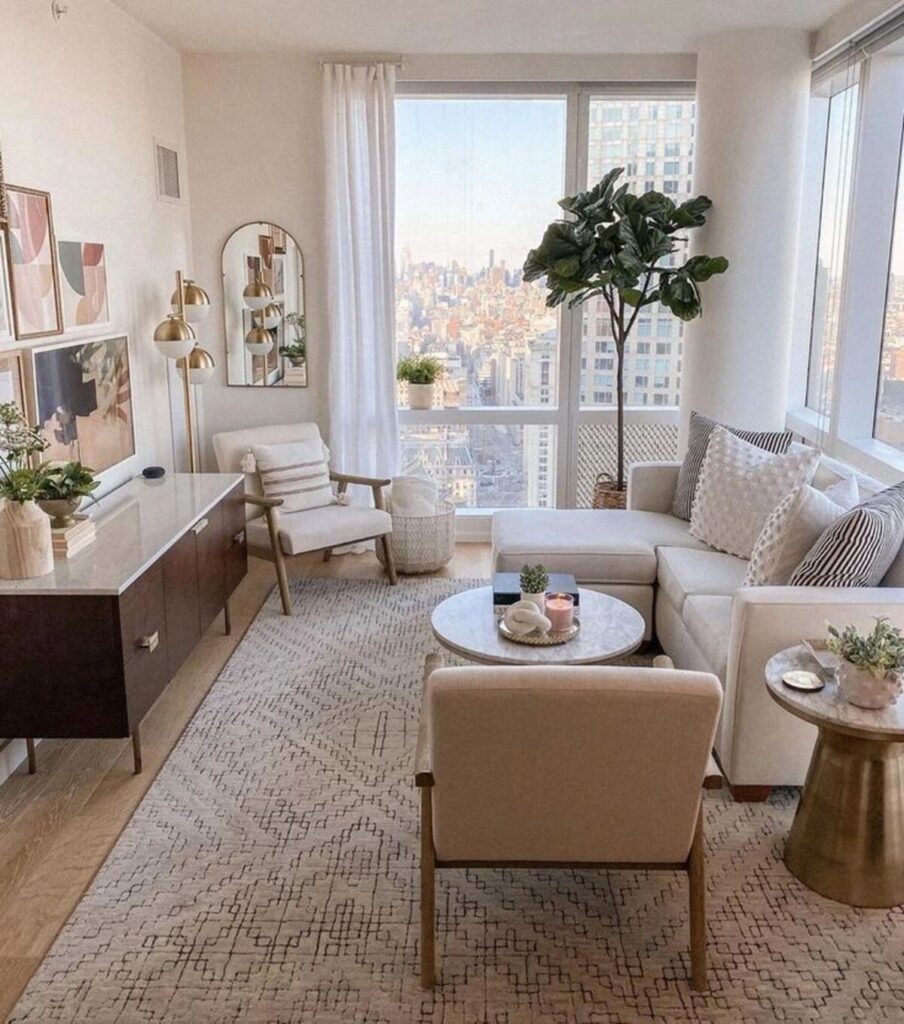
Natural light is the fastest way to make a small living room feel bigger, brighter, and more open. Sunlight bounces off walls, stretches corners, and adds a warmth that no lamp can copy. The goal is to let as much of it in as possible without blocking or filtering it out with heavy fabrics.
Start by pulling furniture away from the windows. Even a low sofa placed under a window can block light from reaching the rest of the room. Swap heavy drapes for sheer panels that still offer privacy without cutting the glow. Keep windowsills clear of clutter, and clean the glass more often than feels necessary. Dust builds up fast and dims the light without anyone noticing. Reflective surfaces like glossy tables, mirrors, and metallic accents also help bounce sunlight deeper into the room.
The kind of change that makes mornings feel slower, afternoons feel golden, and the whole room feel like the sun stops by on purpose.
20. Opt For A Patterned Rug
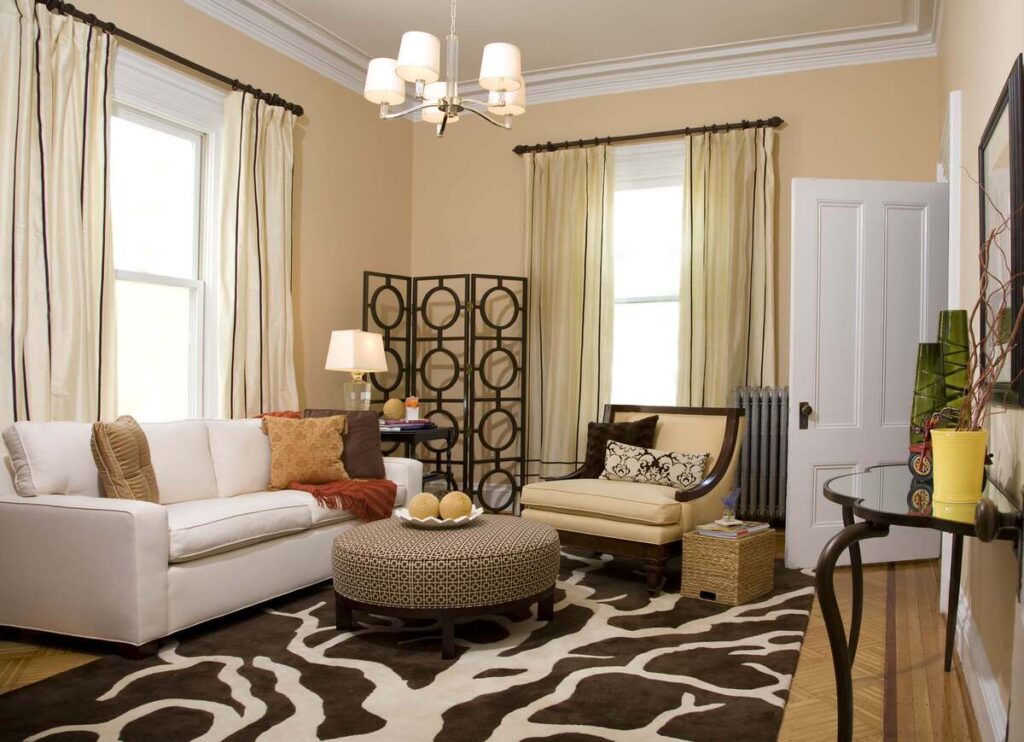
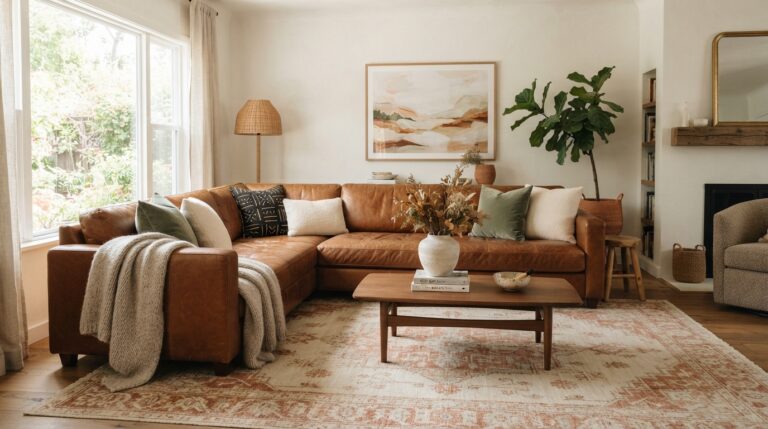
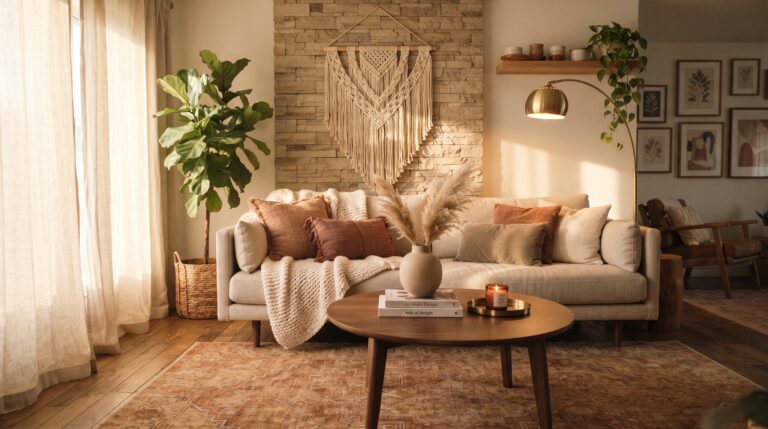
A patterned rug adds instant personality to a small living room, and it does something plain rugs never can. It pulls the whole space together while hiding the little things solid rugs highlight, like crumbs, footprints, and the occasional coffee splash. Pattern brings movement, and movement makes a room feel bigger than it is.
Go larger than feels right. A rug that’s too small floats awkwardly in the middle of the room and makes everything around it look disconnected. The front legs of the sofa and chairs should sit on the rug, which visually ties the seating area together. Vintage-style patterns, geometric prints, or soft floral designs all work beautifully. Muted color palettes keep the pattern from overwhelming a small room, while bolder ones turn the rug into the star of the show.
The kind of finishing touch that grounds the whole room and makes stepping barefoot onto it after a long day feel like the softest little reward.
Frequently Asked Questions
Q1. What is the best color for a small living room?
Soft, light shades work best in a small living room. Warm whites, muted beiges, soft greiges, and pale sages all reflect light and make the walls feel further apart. Stick to one palette across the room to keep the space feeling calm and open. If bolder colors are the goal, use them on a single accent wall or through smaller pieces like cushions and throws instead of covering every surface.
Q2. How do I make my small living room look bigger without renovating?
Focus on light, mirrors, and vertical space. Hang curtains right below the ceiling, add a large mirror across from a window, and use tall shelves to draw the eye upward. Clear the clutter, keep the color palette simple, and swap heavy furniture for pieces with exposed legs. These small changes make a huge visual difference without any construction work.
Q3. Should I get a small sofa for a small living room?
Not necessarily. One large sofa often works better than two small pieces because it reduces visual clutter and anchors the room. Look for a sofa with clean lines, raised legs, and a low back. That style keeps the room feeling airy while still giving plenty of seating for family and guests.
Q4. Where should the TV go in a small living room?
Mount the TV on the wall opposite the sofa at eye level from seated position. Blending it into a built-in shelving unit or painting the wall behind it a darker shade helps it disappear when not in use. Floating consoles underneath work well because they keep the floor visible, which stretches the room visually.
Q5. What kind of rug works best in a small living room?
Choose a rug large enough that the front legs of the sofa and chairs sit on it. Patterned rugs hide daily wear better than solid ones and add character to the space. Vintage prints, subtle geometrics, and soft floral designs all work beautifully. Muted colors keep the pattern from overwhelming a compact room.
Q6. How can I add storage to a small living room without making it feel cramped?
Go vertical and go built-in. Floor-to-ceiling shelves, floating cabinets, and storage that hugs the walls give plenty of room without eating into the floor. Multifunctional furniture like storage ottomans, lift-top coffee tables, and benches with hidden drawers add extra space where it’s needed most.
Q7. Do mirrors really make a small living room look bigger?
Yes, and the effect is instant. Mirrors bounce natural light around the room and create the illusion of extra depth. Place a large mirror across from a window for the biggest impact, or lean an oversized one against the wall for a modern look. One statement mirror works better than several small ones scattered around.
Q8. How high should curtains be hung in a small living room?
Hang curtains as close to the ceiling as possible, ideally two to four inches below it. Extend the rod six to twelve inches wider than the window on each side. Use floor-length panels that either just touch the floor or pool slightly. This trick makes the ceiling look taller and the window look bigger, which opens up the whole room.
Conclusion
A small living room isn’t a design limitation. It’s an invitation to get creative. The right mix of light colors, smart storage, layered lighting, and thoughtful furniture choices can transform even the tightest space into somewhere that feels open, warm, and full of personality. Every idea on this list works whether the goal is a full weekend refresh or just one small upgrade at a time.
The real magic happens when these tricks start layering together. Pull the curtains higher, drop a patterned rug down, and suddenly the room already feels different. Add a large mirror, blend the TV into the wall, and the whole space starts breathing again. Small rooms reward attention to detail, and the effort always shows.
At the end of the day, a living room should feel like the softest landing spot in the house. Somewhere for lazy mornings, movie nights, and long conversations that stretch past midnight. With these ideas in hand, that kind of space is closer than it looks.