25 Living Room Ideas Worth Saving for Every Style
The living room does more heavy lifting than any other space in the house. It hosts movie nights, catches the mail, holds the good conversations, and somehow needs to look put-together while doing all of it. That is a tall order for one room.
The good news is that a beautiful living room does not require a full remodel or a designer on speed dial. Most of the magic comes from smart choices. A branch chandelier that turns heads. A Persian rug that pulls the whole floor together. A memory wall that makes the couch feel personal. Small shifts that carry big weight.
This roundup pulls together 25 living room ideas worth saving, from soft minimal setups to bold bohemian layers. Some lean modern and clean. Others lean warm and collected. Every one of them has that scroll-stopping quality Pinterest loves, plus the everyday livability that actually matters once the guests go home.
1. Modern Branch Chandelier for a Sophisticated Look

A branch chandelier is one of those pieces that quietly changes the entire mood of a living room. Its sculptural arms stretch across the ceiling like a piece of frozen nature, catching the eye the second anyone walks in. That sense of drama up high is exactly what makes the rest of the room feel intentional.
The trick here is balance. Pair the chandelier with clean-lined furniture in soft neutrals like oatmeal, warm gray, or muted taupe so the fixture stays the star. Brushed brass or matte black finishes on the branches add just enough polish without stealing warmth. It becomes the piece guests keep glancing up at during long dinner conversations that stretch past dessert.
A smart pick for open-concept living rooms with tall ceilings and neutral palettes.
2. Abundance of Color and Greenery for a Youthful Living Room
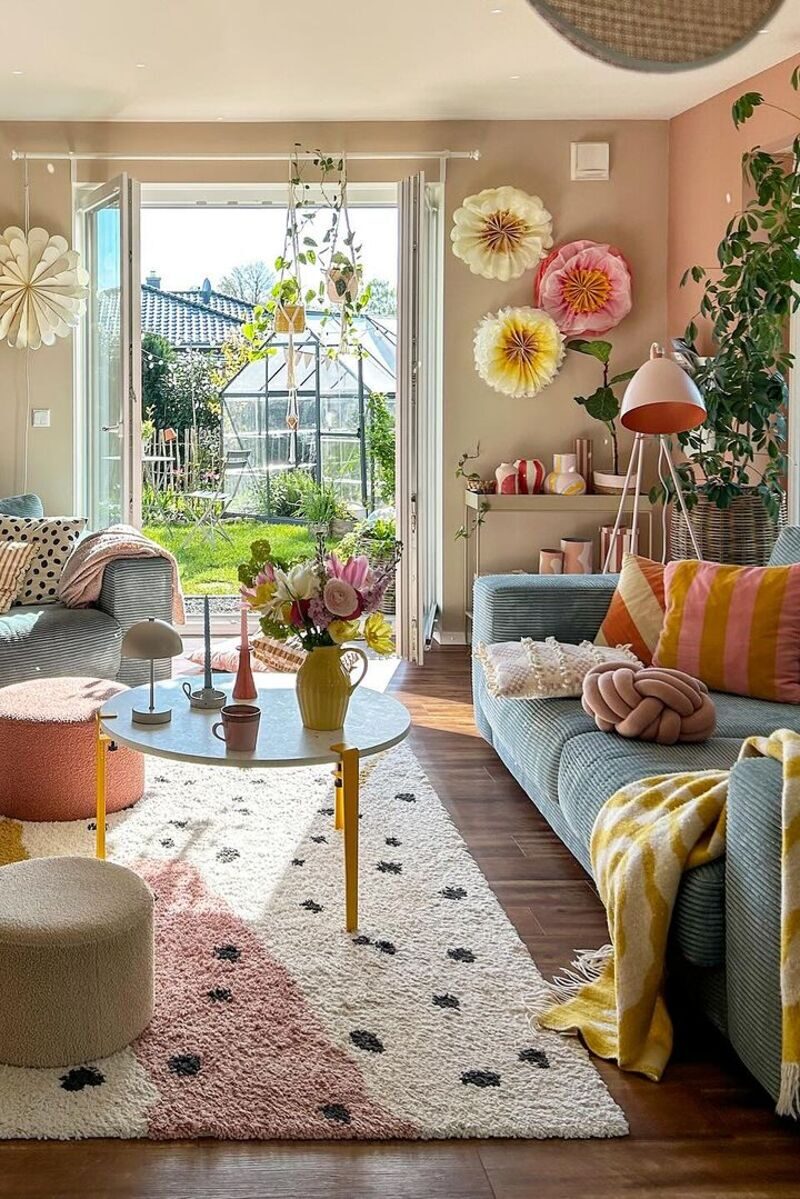
Some living rooms feel like they were built to stay quiet. This one is the opposite. Layered plants, saturated throw pillows, and playful art turn the space into something that feels alive from the moment sunlight hits the floor. It reads young, but not in a way that will feel dated next spring.
Start with a base of leafy greenery in different heights. A tall fiddle leaf in the corner, a trailing pothos on the shelf, a cluster of smaller pots near the window. Then bring in color through accents rather than big furniture. Coral pillows, mustard throws, a cobalt ceramic vase on the coffee table. The greenery softens every bold shade so nothing feels loud. It is the kind of room that makes a Sunday morning coffee feel a little more cheerful.
Great for renters and first apartments where personality matters more than perfection
3. Glass-Top Coffee Table With a Decorative Gilded Base

A glass-top coffee table with a gilded base is a small footprint piece that punches way above its weight. The clear surface keeps the room feeling open and airy, while the sculpted gold base underneath adds that jewelry-box detail every living room secretly needs. Nothing visually crowds the space, but the eye still lingers.
Style it simply. A stack of two coffee table books, a low ceramic bowl, maybe a single trailing plant. The gilded base already brings the drama, so overloading the top just competes with it. Sunlight moving across the glass through the afternoon is one of those tiny daily details that never gets old. Pair it with a soft neutral sofa and a chunky knit throw for contrast, and the whole setup starts feeling collected rather than staged.
Works beautifully in smaller living rooms where visual weight needs to stay low.
4. A Persian Rug for a Unique Design of the Living Room
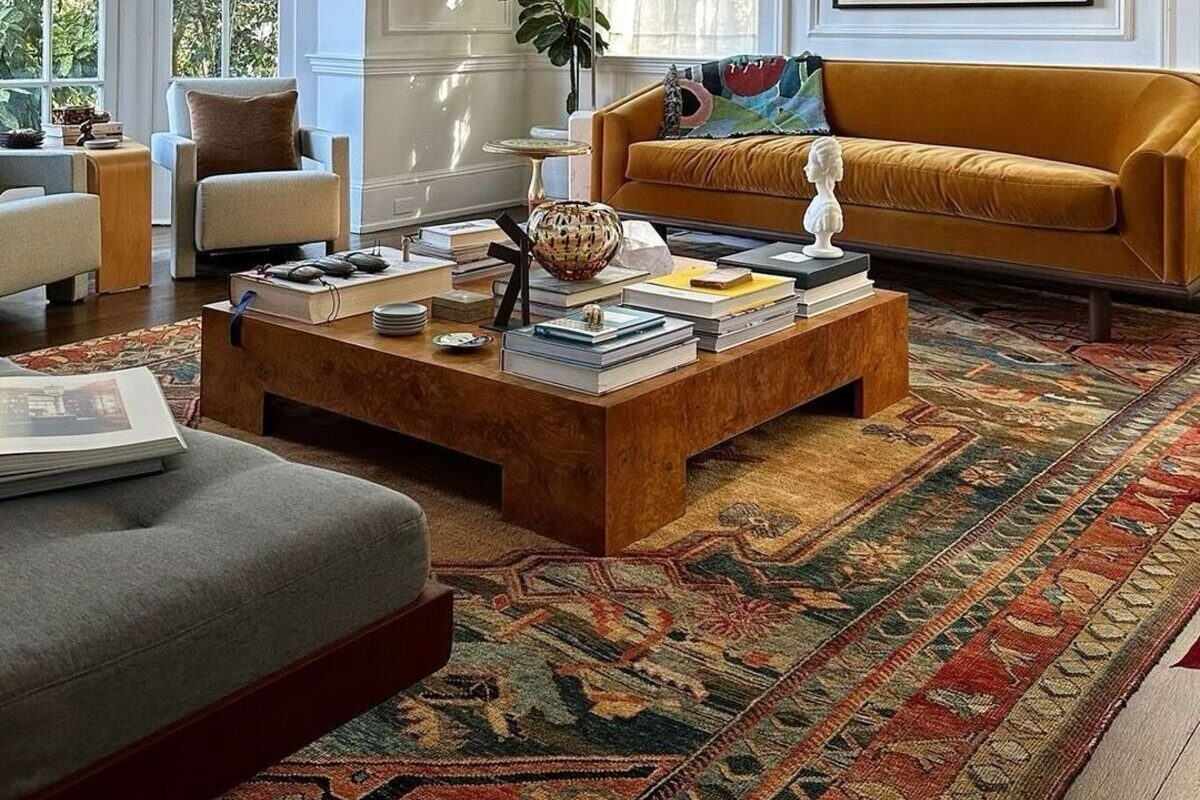
Nothing anchors a living room quite like a Persian rug. The intricate patterns, the deep reds and blues, the way the pile softens footsteps on a quiet morning. It brings a sense of story into the room that new, mass-produced pieces just cannot fake. Even a modern sofa suddenly feels warmer sitting on top of one.
The beauty is how flexible it turns out to be. Layer it under a mid-century coffee table for an unexpected mix, or let it lead the color palette for the whole room by pulling one of its softer tones into the throw pillows and curtains. Vintage rugs bring worn edges and faded spots that only add to the charm. Guests almost always stop to look down at it, running a hand across the pattern before they sit.
An easy pick for anyone building a room around warmth and character rather than trends.
5. Artsy Open Bookshelves for Your Various Collections
Open bookshelves are where a living room stops being a room and starts feeling like a portrait of the people living in it. Stacked novels, travel souvenirs, ceramic finds, a framed photo tucked between two hardcovers. Every shelf becomes a small vignette. The eye moves across them the same way it moves across a good gallery wall.
The styling secret is negative space. Leave gaps between groupings so each object has room to breathe. Mix vertical stacks of books with horizontal ones, and slip in sculptural pieces like a matte black vase or a wooden bowl to break up the rhythm. Warm wood shelves lean cozy, while black metal frames feel more architectural. It turns quiet Sunday afternoons into little rearranging sessions that never really feel like chores.
Ideal for readers, collectors, and anyone whose personality does not fit inside a closed cabinet.
💡 Pro Tip: Style bookshelves in a 60-30-10 ratio. 60% books, 30% decorative objects, 10% personal or sentimental pieces. That balance keeps shelves from looking either too cluttered or too staged, and it gives the eye a natural path to follow across each row.
6. Pure Whiteness for Enhanced Elegance and Charm

An all-white living room sounds risky until you actually see one done well. Soft white walls, a cream linen sofa, ivory curtains catching the morning light. The room feels quieter somehow, like the volume of daily life just got turned down a notch. Every texture suddenly matters more because color is not there to distract.
The key is layering different whites and materials so nothing goes flat. A boucle armchair beside a smooth cotton throw, a chunky wool rug under a lacquered coffee table, matte ceramic vases next to a glossy mirror. Small variations in tone from bright white to warm oat keep the space from feeling sterile. Sunlight becomes part of the design, shifting shadows across the walls all day. It is the kind of room that feels like taking a deep breath after a long week.
Perfect for small spaces that need to feel larger, brighter, and more restful.
🎨 Suggestion: Add one natural element to keep an all-white room from feeling cold. A single olive tree in a woven basket, a raw wood side table, or a stone bowl on the coffee table. That one earthy anchor gives the eye somewhere warm to land without breaking the calm palette.
7. Acoustic Wall Panel for a Sense of Intrigue and Coziness
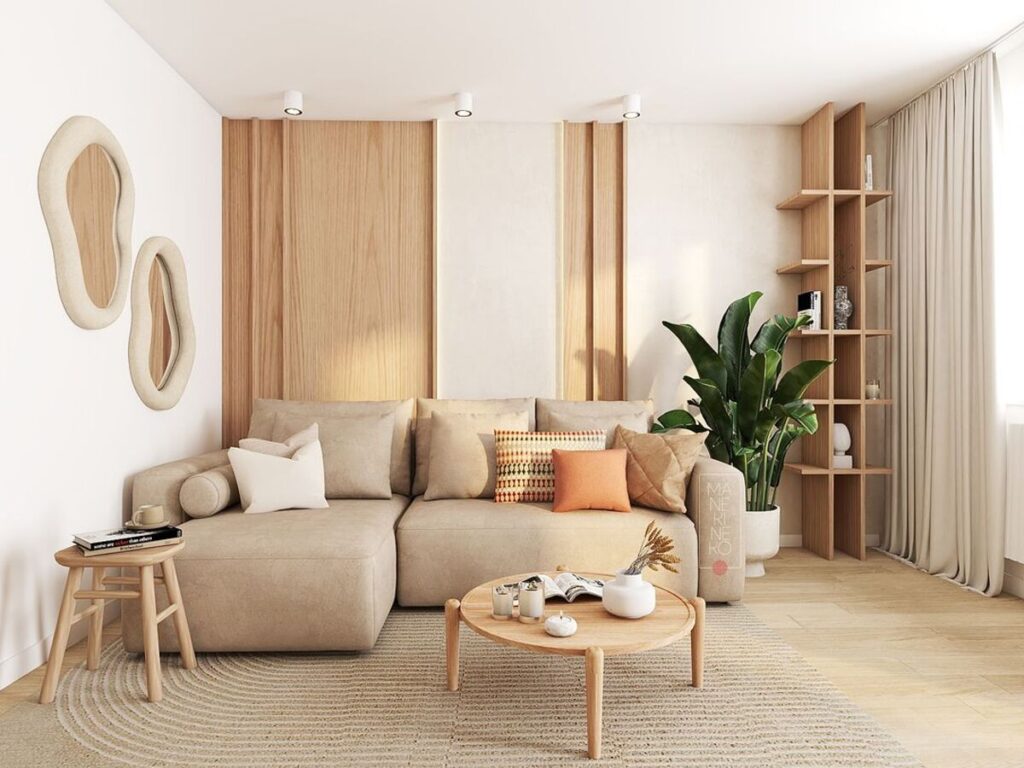
Acoustic wall panels started as a functional fix for sound, but they have quietly become one of the most stylish upgrades a living room can get. The vertical wood slats bring texture and warmth the second they go up, softening echoes while adding that spa-like calm most rooms are missing. Movie nights suddenly sound richer. Conversations feel more intimate.
Choose warm oak or walnut tones to keep the room feeling cozy rather than industrial. Pair the panel with a low-profile sofa, soft ambient lighting, and layered throws to lean fully into the mood. Some people even style the space with a diffuser nearby, and pulling from a few easy home fragrance ideas helps the whole corner feel like a proper retreat. It is the kind of wall that turns rainy afternoons into the best part of the week.
8. A Central Colorful Modern Art Piece as a Focal Point

Every living room needs one piece that makes people stop mid-sentence and look. A large colorful modern art piece does exactly that. Bold brushstrokes, unexpected color combinations, maybe an abstract shape that shifts the longer you stare at it. The room instantly gains a voice, and everything else can stay quiet around it.
Hang it above the sofa or over the mantel where the eye naturally lands first. Keep surrounding walls neutral so the artwork stays the loudest thing in the room. A cream sofa, a low wood console, a simple pair of floor lamps. That restraint is what makes the color pop even harder. Coffee tastes better when a good painting is watching you drink it, honestly. The piece becomes a small daily ritual, catching light differently at 8 a.m. than it does at 6 p.m.
A strong choice for minimalists who still want personality on the walls.
9. Fascinating TV Accent Panel to Elevate the Room’s Design

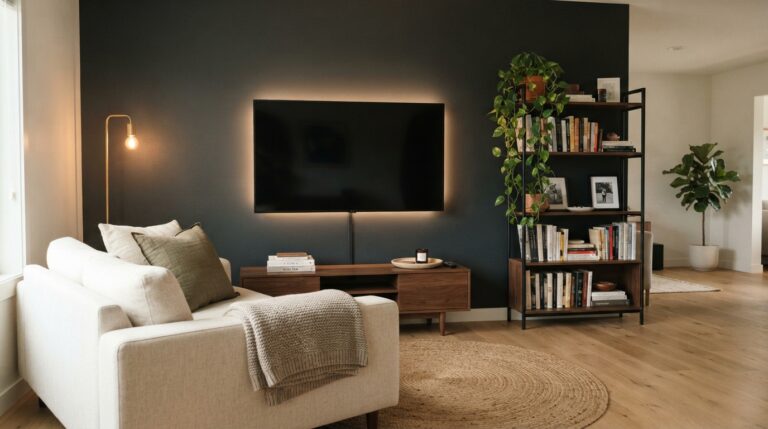
A TV accent panel finally solves the awkward black rectangle problem every living room has faced for decades. Instead of the screen dominating the wall, a textured panel behind it turns the whole setup into an intentional design moment. Fluted wood, stone veneer, or matte paneling all work. The TV becomes part of the composition rather than the star of it.
Extend the panel wider than the screen itself so it reads as a design element, not just a background. Float a slim console underneath for remotes and a small plant, and let recessed lighting wash down the texture at night. The whole wall starts feeling more like a boutique hotel lounge than a standard living room. Even off, the TV somehow looks better. It is the kind of upgrade that quietly raises the ceiling on how put-together the entire room feels.
Ideal for families who watch a lot of TV but do not want that fact broadcasted.
10. A Creative Nesting Coffee Table for a Stylish Design
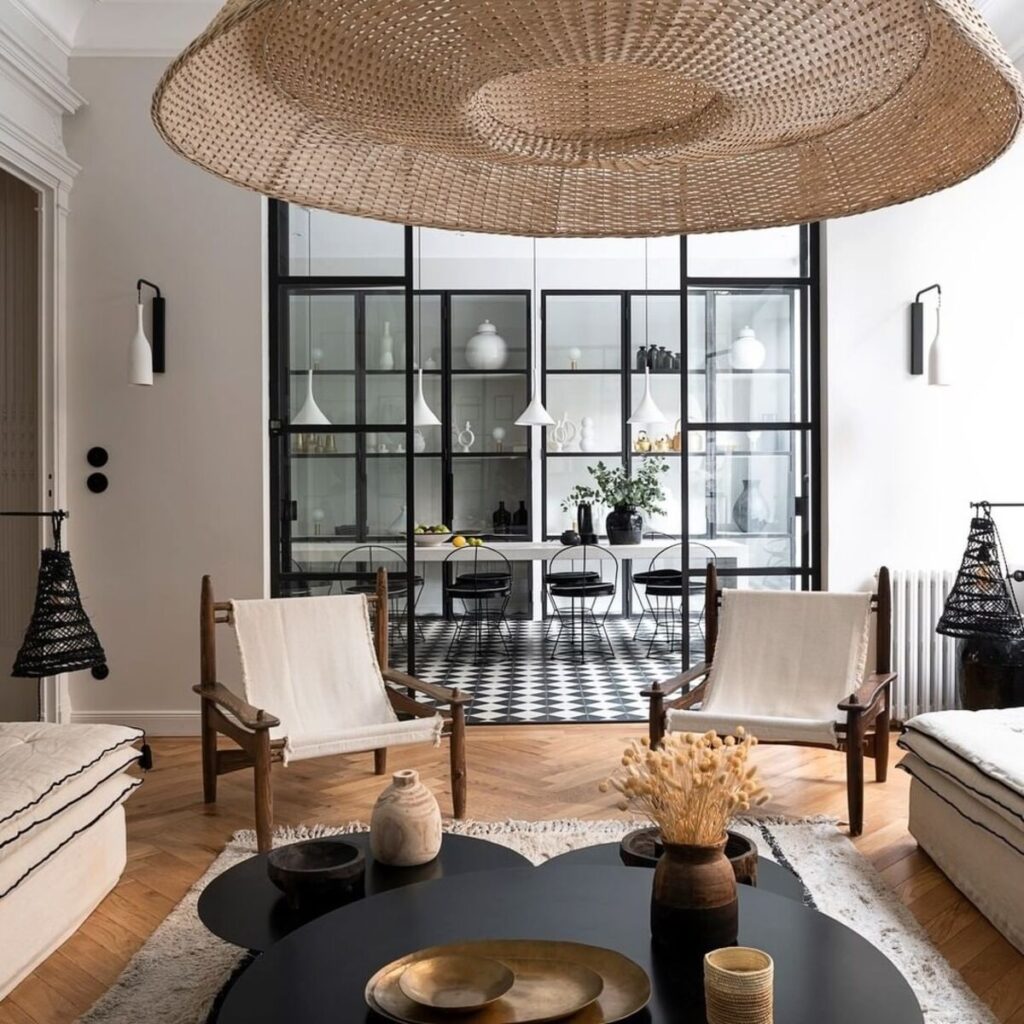
Nesting coffee tables are one of those pieces that feel almost too clever. Two or three tables tucked neatly into each other, ready to slide apart the moment guests need a spot for their glass or a bowl of popcorn. Compact when the room is quiet, generous when the room fills up. That flexibility is exactly what small living spaces have been waiting for.
Mix materials for extra interest. A marble top over a matte black frame, paired with a smaller walnut round that peeks out from underneath. The contrast keeps the setup from feeling matchy in a boring way. Style the larger table with a stack of books and a candle, then leave the smaller one bare so it can move freely when needed. It turns hosting into something that feels effortless rather than staged, even on a random Tuesday.
Great for apartments and multi-use living rooms where furniture has to earn its footprint.
11. Artistical Memory Wall Above the Sofa for Sweet Emotions

A memory wall turns the space above the sofa into the most personal part of the whole house. Framed photos from family trips, ticket stubs pressed behind glass, a hand-drawn sketch from a niece, a wedding polaroid tucked into a small frame. Every piece carries a story, and together they form something no store-bought art could ever match.
Keep the frames varied but the color palette tight. Mix black, brass, and warm wood frames in different sizes, then unify everything through consistent matting or a shared tone in the photos. Hanging a memory wall is one of those creative weekend projects that ends up meaning more than expected once the last frame goes up. Guests always drift toward it, pointing at pictures and asking questions that turn into long conversations. It becomes the softest, most personal corner of the entire home.
Perfect for growing families and anyone who measures a home by the memories inside it.
💡 Pro Tip: Lay the entire arrangement flat on the floor first before touching a single nail. Snap a phone photo from above, adjust until it feels balanced, then transfer the layout to the wall using paper templates cut to each frame’s size. That one extra step saves the wall from becoming Swiss cheese.
12. Matching Decorative Pillows and Curtains for Visual Appeal

Coordinating pillows and curtains is one of the oldest design tricks in the book, and it still works because the eye loves finding quiet connections across a room. When the throw pillows echo the curtain fabric, even loosely, the whole space suddenly feels like someone actually planned it. Nothing screams matchy. It just clicks.
The secret is to avoid identical matching. Pull one shared color between the two, then let the patterns differ. Botanical curtains paired with solid pillows in the same sage tone. Striped drapes matched with a single pillow that picks up the stripe color. That soft echo pulls the room together without making it feel like a hotel catalog. Afternoon light filtering through the curtains and landing on the sofa cushions is one of those small daily pleasures that makes the room feel finished.
A smart move for anyone tired of rooms that feel almost right but not quite.
🎨 Suggestion: Choose curtains first, then shop for pillows. Fabric options for pillows are far wider than for curtains, so working in that order avoids the frustration of finding the perfect drape only to hunt endlessly for a pillow that plays along.
13. Acoustic Wall and Focus on Wooden Elements for Coziness
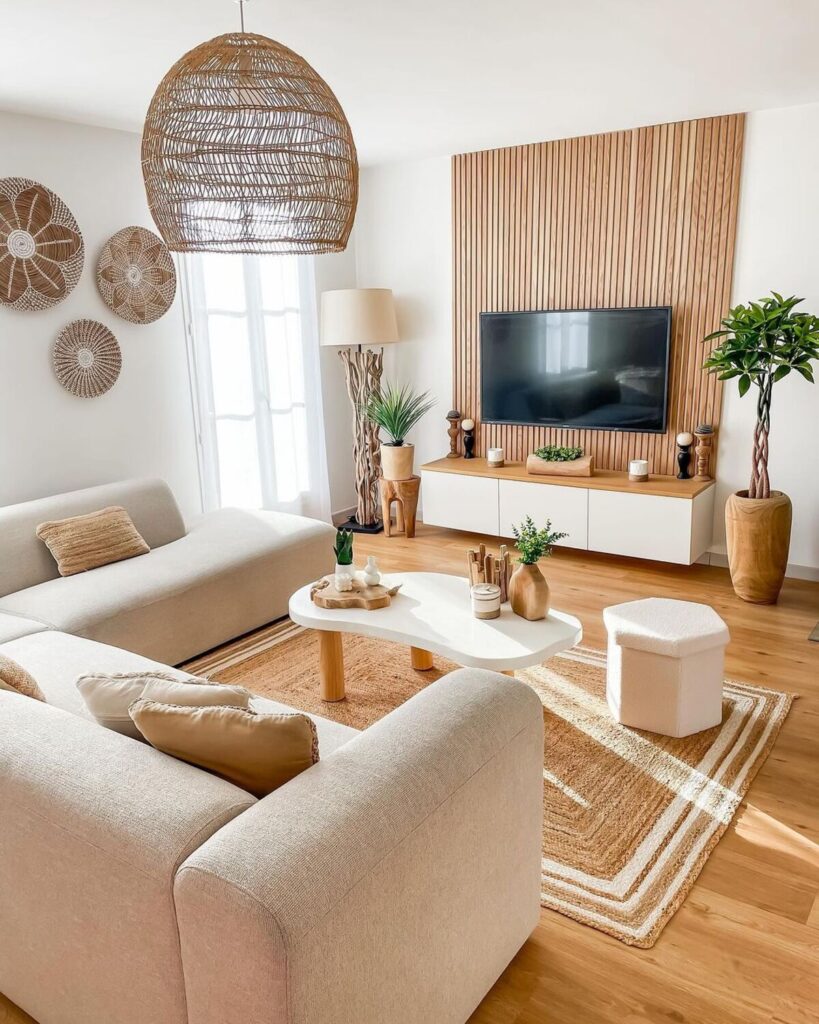
Doubling down on wood is one of the fastest ways to make a living room feel like a hug. An acoustic wood-slat wall behind the sofa, a reclaimed oak coffee table, wooden picture frames on the shelves, maybe a live-edge console under the window. The room stops feeling decorated and starts feeling grown, like every piece landed there naturally over time.
Stick to two wood tones at most so the space feels curated rather than chaotic. A warm walnut paired with a lighter oak gives depth without clashing. Soften everything with textiles like a cream boucle throw, a jute rug, and linen curtains that let the light stay gentle. The grain patterns catch late afternoon sun in a way that manufactured materials never quite manage. Some evenings the whole room smells faintly of cedar and coffee, and nobody wants to leave.
Best for cabin lovers who want that lodge feeling without moving to the woods.
14. Intriguing Pendant Lights for a Stunning Focal Point

Pendant lights above a living room seating area are the kind of detail people notice without knowing why the room looks so good. Whether it is a cluster of glass globes at staggered heights or a single oversized woven pendant, the fixture pulls the eye up and gives the whole space a sense of proportion. Ceilings suddenly feel taller. Corners feel less forgotten.
Hang them lower than instinct suggests, especially over a reading chair or a side table where they can double as task lighting. Glass and brass pendants lean elegant, while rattan and rope pendants add that lived-in warmth. Dim them low in the evening and the entire mood shifts, turning the couch into the best seat in the house. It is that quiet golden glow that makes people linger long after the show ends.
An excellent pick for living rooms with high ceilings that need a strong vertical anchor
15. Minimalistic But Effective Design for a Clean Look
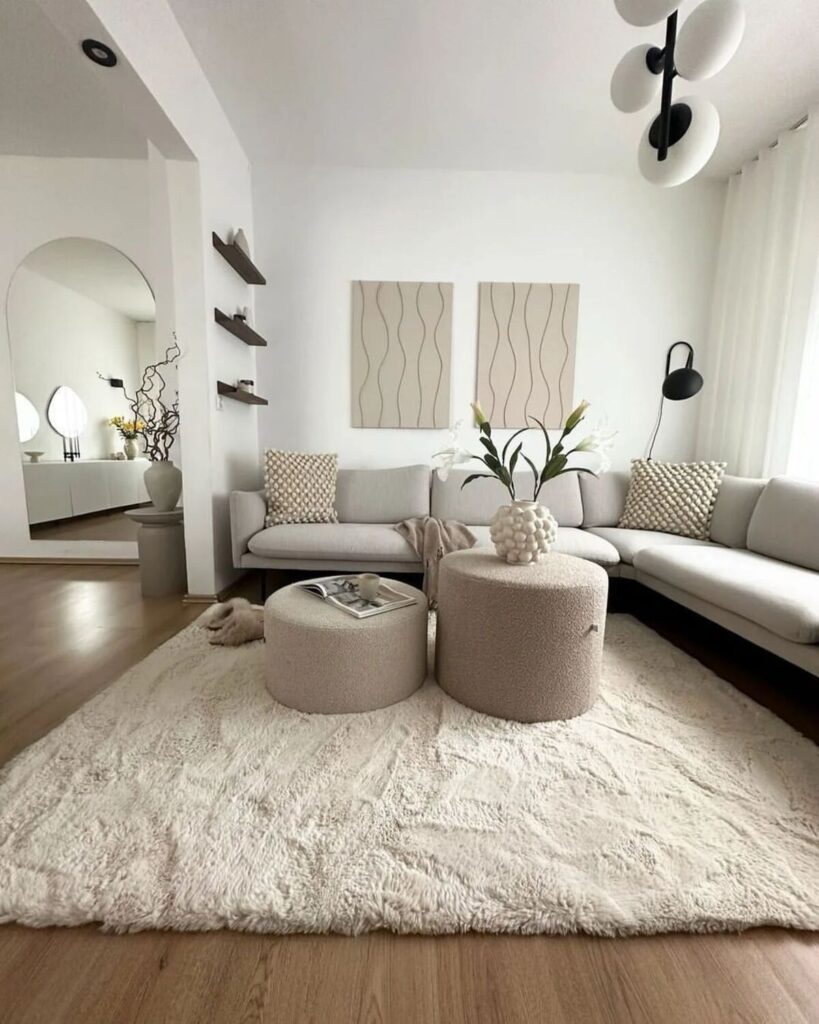
Minimalism gets misunderstood a lot. Done well, it is not about empty rooms or cold surfaces. It is about keeping only what matters and letting each piece breathe. A low-slung sofa, one sculptural chair, a single coffee table, a rug that grounds the whole setup. Nothing extra fighting for attention. The room feels calm the second anyone walks in.
Stick to a tight palette of two or three neutrals and let texture do the heavy lifting. A linen sofa, a wool rug, a smooth ceramic vase holding one branch of eucalyptus. Every material adds quiet interest without adding visual noise. Storage stays hidden inside closed cabinets so surfaces remain clear. Morning light hits a mostly empty coffee table and somehow that emptiness feels like luxury rather than lack. It is the kind of space that makes the mind slow down without trying.
Ideal for busy professionals who want home to feel like the opposite of their inbox.
16. A Stunning Built-In Shelving Unit of Refined Art

Built-in shelving takes a living room from nice to unforgettable. Unlike freestanding units, built-ins wrap around fireplaces, frame doorways, and fill entire walls floor to ceiling. The architecture of the room suddenly works harder, and storage stops looking like storage. It becomes part of the bones of the space.
Paint the interior of the shelves a shade darker than the surrounding walls to add depth. Deep charcoal, warm terracotta, or a soft muted green all work beautifully behind lighter objects. Style the shelves with a mix of books laid flat and stacked upright, sculptural bookends, small framed art propped rather than hung, and one or two ceramic vessels per shelf. Warm integrated lighting inside each cubby makes the whole wall glow after sunset. It is the kind of feature that quietly makes the whole home feel more permanent, more collected.
Perfect for homeowners ready to invest in a design piece that stays for the long haul.
17. Bold Maximalist Bohemian Living Room Decor
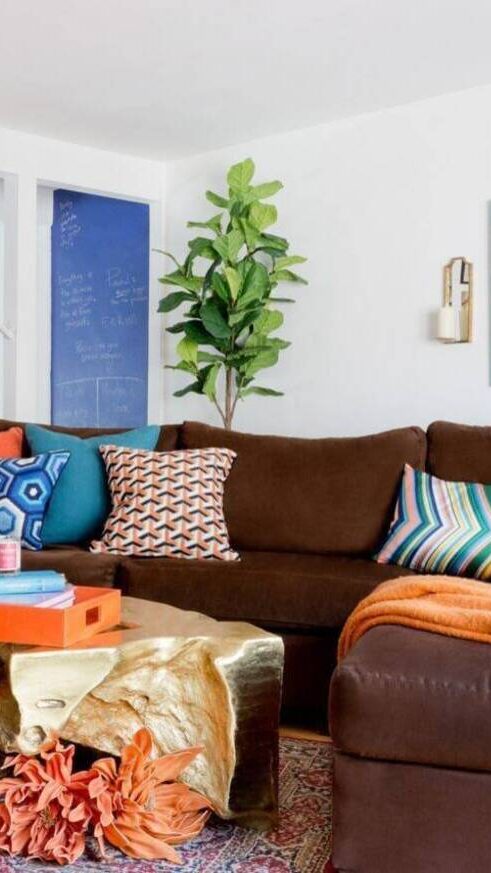
Bohemian maximalism is where the rules go out the window and personality moves in. Layered rugs stacked over each other, mismatched pillows in wild patterns, hanging plants trailing from the ceiling, and a gallery wall that started as three frames and grew to twenty. Nothing matches. Everything belongs. That is the whole trick.
Anchor the chaos with one neutral base like a cream sofa or a warm wood floor. Then layer freely from there. Moroccan poufs, kilim pillows, macrame hangings, brass candlesticks, thrifted lamps with fringed shades. Mix eras, mix cultures, mix textures until the room feels like a scrapbook of every place you have loved. Late afternoon light filtering through beaded curtains casts patterns across the rug that feel almost cinematic. Guests either love it immediately or need a minute to take it all in.
A joyful match for travelers, collectors, and free spirits who refuse to live inside a color chart.
18. Accent Wall as a Creative Outlet in Your Living Room

An accent wall is basically permission to have fun with one surface without committing the whole room to a bold choice. Deep forest green behind the sofa, a hand-painted mural on the fireplace wall, a textured plaster finish that catches shadow in interesting ways. One wall carries the personality while the other three stay quiet. That balance is what makes it work.
Pick the wall the eye naturally lands on first, usually behind the largest piece of furniture. Paint, wallpaper, wood paneling, or even a limewash finish all pull it off in different ways. Prepping the surface properly matters more than the finish itself, and a few smart home repair tricks can save hours of frustration before the first brushstroke ever lands. Once it is done, the whole room reads more intentional, like every other choice suddenly has a reason to exist.
Ideal for renters and homeowners who want maximum impact from a single afternoon of work.
19. Eclectic Living Room Design for Creative But Indesicive People

Eclectic design is the perfect answer for anyone who falls in love with a mid-century chair on Monday and a Victorian mirror on Tuesday. Instead of picking one style, the room welcomes all of them. A modern sofa sits next to a carved wooden side table, a contemporary art print hangs beside a vintage brass sconce, and somehow the whole mix looks intentional rather than confused.
The secret ingredient is one unifying thread. It could be a consistent color palette, a shared metal finish across accessories, or a repeated material like leather showing up on the ottoman, the chair, and the frame of a photograph. That single thread lets everything else feel free. Textiles get playful, eras collide happily, and the room stops feeling like it has to prove anything. It becomes a space that grows and shifts alongside the people living in it.
Great for design lovers who refuse to commit to just one aesthetic for the rest of their life.
20. Abundance of Greenery for an Earthy Feel
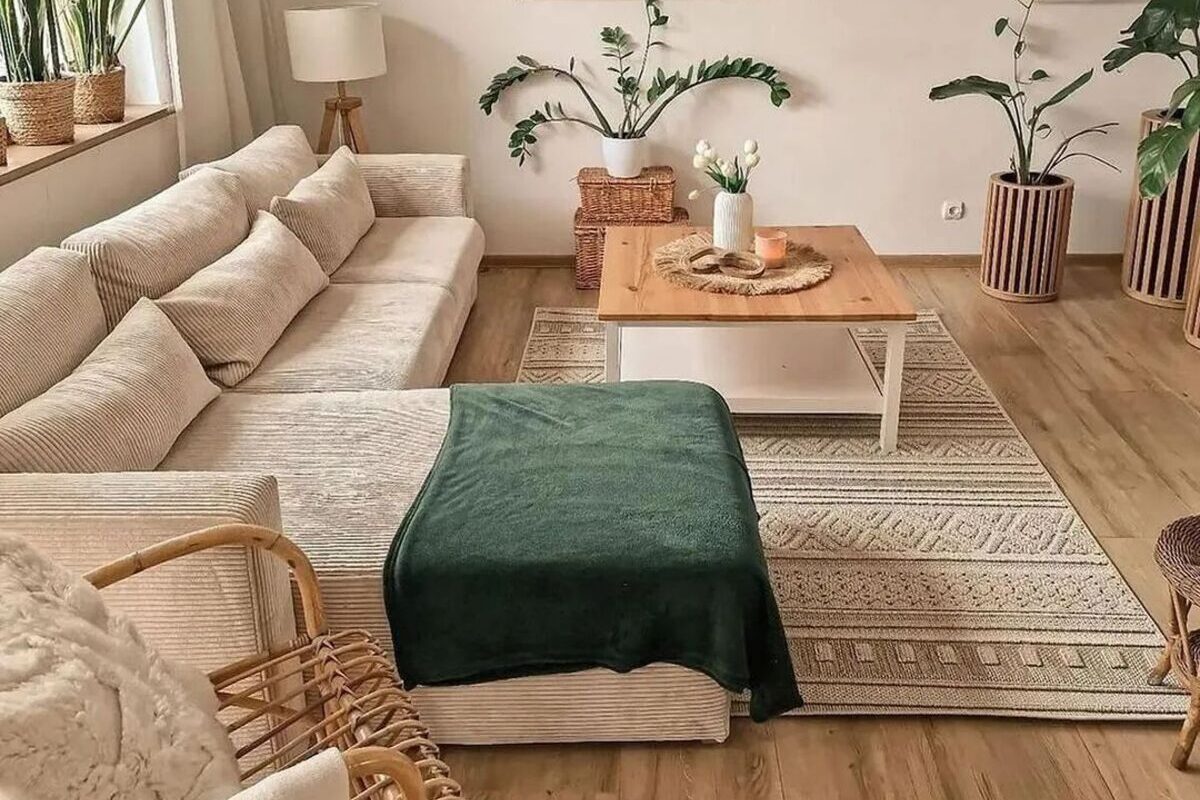
Filling a living room with plants changes the air itself. Not just the visual air, though that shifts too, but the actual feeling of walking into the space. Broad monstera leaves catching the light, a tall bird of paradise reaching toward the ceiling, ivy trailing from a high shelf, small succulents clustered on the coffee table. The room stops feeling built and starts feeling grown.
Vary the heights so the greenery reads as a small indoor landscape rather than scattered pots. Floor plants in woven baskets, tabletop plants in ceramic pots, hanging plants near the window where the light is best. Terracotta, stoneware, and raw wood planters keep the palette earthy and grounded. Watering morning becomes a small ritual, one that slows the day down before it even starts. The room ends up feeling like a quiet greenhouse where real life happens to unfold.
Ideal for plant lovers who want their living room to feel alive year-round.
21. Yellow and Green Focus for a Unique and Earthy Design
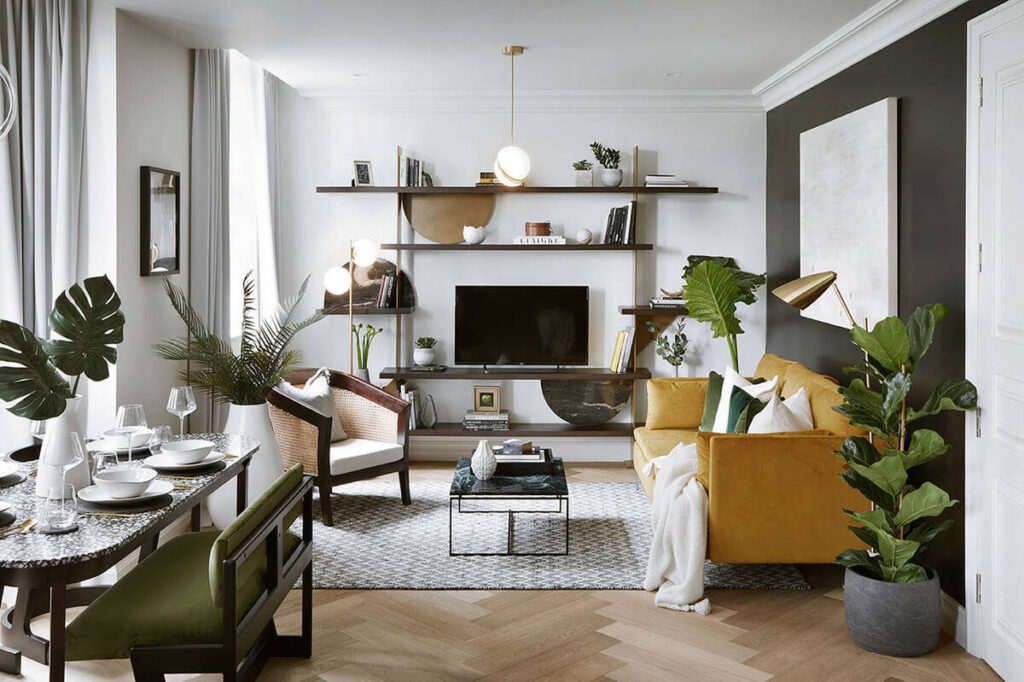
Yellow and green together sound risky on paper and look incredible in practice. Mustard, ochre, olive, sage. These are the tones of late summer fields and old botanical prints, and they bring a warmth to a living room that feels grounded rather than trendy. The pairing works because both colors pull from nature, so the room stays cohesive even when the shades get bold.
Start with green as the larger presence. A sage sofa, olive drapes, or a deep forest accent wall. Then bring yellow in through smaller doses. A mustard throw pillow, an ochre ceramic lamp, a brass side table that leans golden in evening light. Wood tones and cream walls keep everything grounded so the palette never tips into loud. Sunlight bouncing off the yellow accents warms the whole room in a way that feels almost seasonal, like early autumn decided to stay year-round.
A beautiful choice for anyone who loves nature-inspired palettes with a bit of vintage soul.
22. Stylish Living Room Design of Refined Artistry
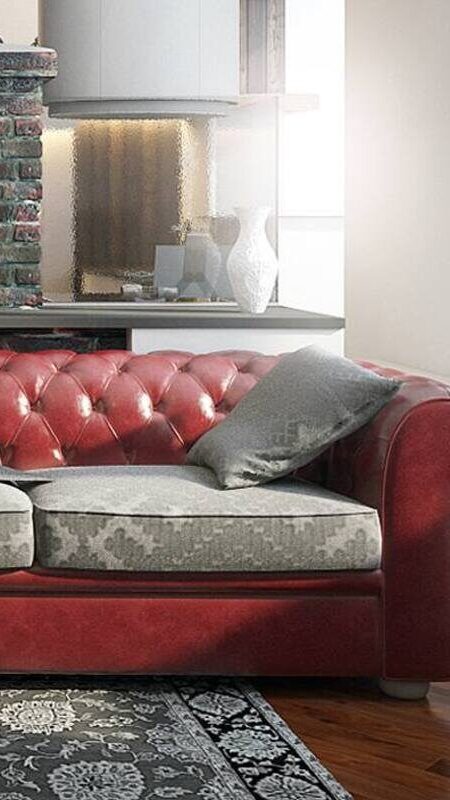
Refined artistry in a living room is less about expensive pieces and more about restraint mixed with intention. A curved velvet sofa, one sculptural floor lamp, a marble coffee table with soft veining, and a single large abstract canvas that anchors the wall. Every choice reads deliberate. Nothing feels accidental. The room carries itself like a gallery that happens to have a great couch.
Lean into curves and soft silhouettes to keep the space feeling elegant rather than stiff. Rounded ottomans, arched mirrors, tapered lamp bases. Materials matter too, so mix velvet with brushed brass, natural stone with pale wood, and layer in a wool rug that adds quiet texture underfoot. Lighting stays low and warm through the evening, letting shadows soften the edges of every piece. It becomes the kind of room where people naturally lower their voices, not because they have to, but because the space invites it.
Perfect for hosts who want their living room to feel like a private lounge worth dressing up for.
💡 Pro Tip: Invest in one sculptural statement piece rather than three average ones. A single curved lamp or one hand-thrown ceramic vessel will elevate the room more than a shelf full of mass-produced accents. Refined design almost always leans on quality over quantity, and the eye can tell the difference instantly.
23. Paper Decor Configurations as an Intriguing Addition
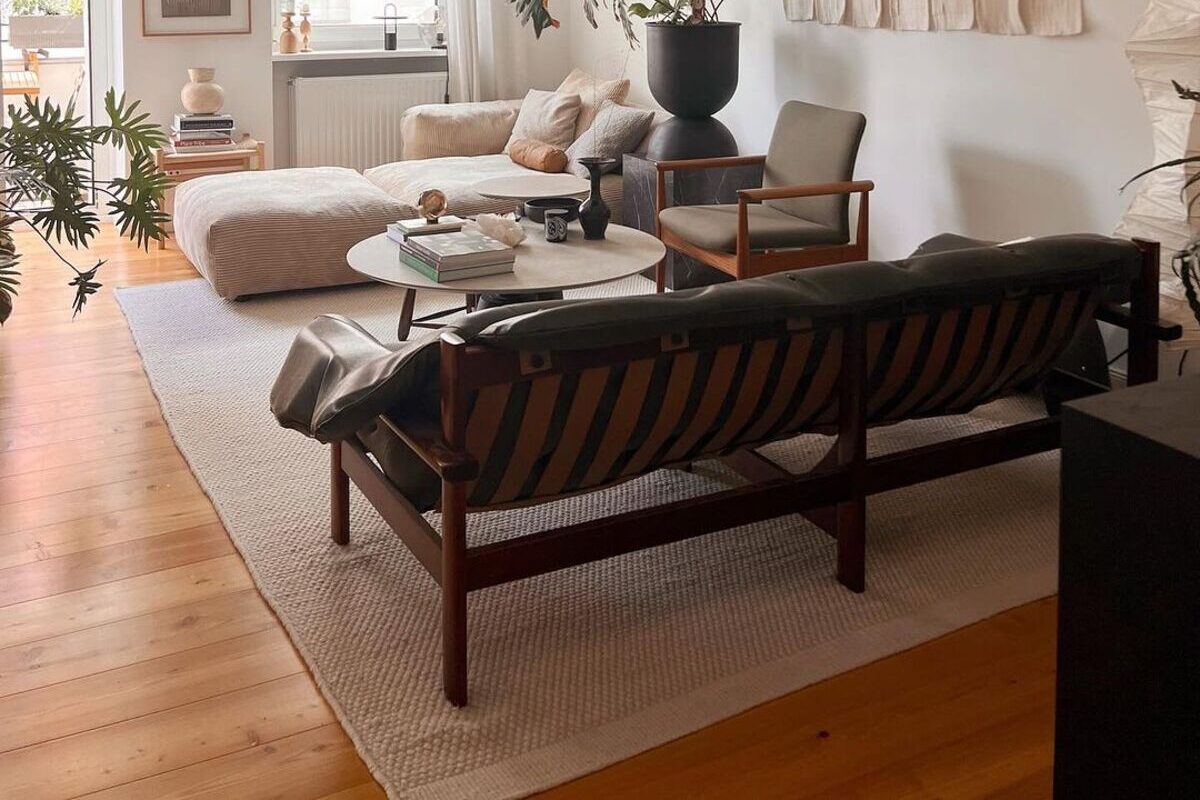
Paper decor sounds humble until you see what it can actually do. Origami cranes strung across a corner, oversized paper lanterns clustered near the ceiling, hand-folded honeycomb globes hanging above the coffee table, or a wall installation made from layered paper flowers. The material is featherlight, but the visual impact carries real weight. It also happens to cost almost nothing.
The magic is in scale and repetition. One paper crane looks like a craft project. Fifty paper cranes strung at varied heights becomes an installation. Stick to a tight color palette, soft whites with brushed gold, or all warm neutrals, so the arrangement reads sculptural rather than childlike. Approaching paper decor with the same mindset used to turn old tin cans into home decor makes the whole project feel less like a craft and more like a genuine design choice. Morning light passing through the paper creates soft shadows that shift across the walls all day.
A creative option for anyone who wants big impact on a tiny budget.
🎨 Suggestion: Use fishing line instead of string when hanging paper elements from the ceiling. The line disappears against most ceiling colors, making paper shapes look like they are floating in midair. That single detail turns a simple hanging arrangement into something that genuinely stops guests mid-step.
24. Clean Vintage Design of White and Blue Symbiosis

White and blue is one of those pairings that never really goes out of style. Think crisp white walls, a slipcovered linen sofa, blue-and-white porcelain lamps, and a woven rug in soft indigo tones. The palette borrows from old coastal cottages and traditional European interiors, but styled right, it feels fresh rather than dated. Timeless, actually. That is the whole appeal.
Layer different shades of blue to keep the room from feeling flat. A powder blue throw, a deeper navy ottoman, a hand-painted ceramic vase with cobalt detailing. White stays the constant, softening every blue tone it touches. Natural wood accents in oak or pine bring warmth so the palette does not read too cool. Sunlight bouncing off the white walls onto the blue textiles creates that easy summer-afternoon feeling, even in the middle of February. It is the kind of room that ages gracefully with the family living in it.
Perfect for anyone drawn to classic design that never asks to be updated.
25. Built-In LED Shelving for a Luxurious Feel
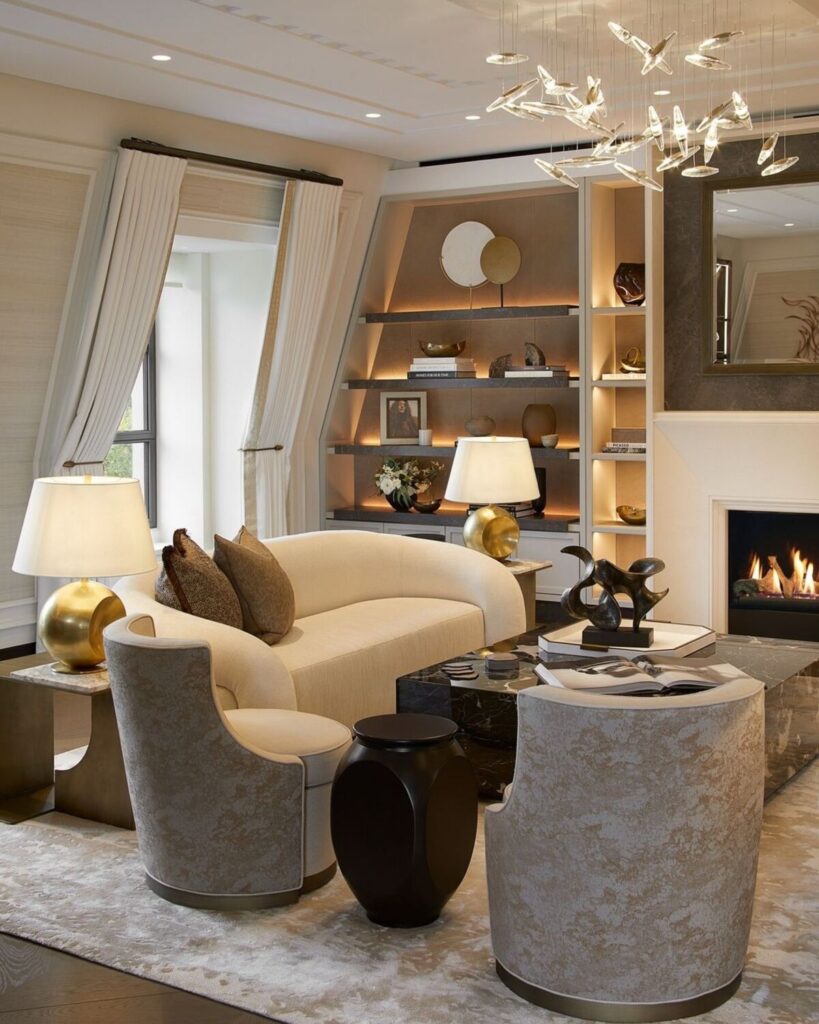
Built-in LED shelving is the detail that quietly turns a living room into something that feels custom. Warm strip lighting tucked behind each shelf, glowing softly across books, ceramics, and framed art. During the day, the shelves function as regular display space. After sunset, they become the softest light source in the room, casting a gentle wash that no overhead fixture could ever match.
Choose warm white LEDs rather than cool tones to keep the mood inviting rather than clinical. Hide the light strips behind a small lip on each shelf so only the glow is visible, never the source. Style the shelves with a mix of matte and reflective objects, ceramic bowls beside brass sculptures, so the light catches different surfaces in different ways. Dimming everything to about thirty percent in the evening turns the whole wall into a slow, cinematic backdrop. Movie nights, quiet reading hours, late conversations. Every scene looks better with that light behind it.
An elegant finishing touch for anyone building a living room meant to be enjoyed after dark.
Frequently Asked Questions
Q1: How do I make my living room look expensive on a budget?
Focus on three things: lighting, textiles, and one statement piece. Swap harsh overhead bulbs for warm floor and table lamps, layer a good rug under the sofa, and invest in one sculptural item like a curved lamp or a large mirror. Everything else can stay simple. Expensive-looking rooms almost always lean on quality over quantity, not price tags.
Q2: What is the best color palette for a small living room?
Soft neutrals with one accent color tend to work best. Warm whites, oatmeal, and pale greige open up the walls visually, while a single accent through pillows or art adds personality without shrinking the space. Avoid painting all four walls in a dark tone. Instead, pick one accent wall if bold color feels necessary, and let the rest breathe.
Q3: How many decorative pillows should a sofa have?
For a standard three-seat sofa, three to five pillows usually hit the sweet spot. Any less feels sparse, any more feels cluttered. Mix sizes and textures rather than matching everything. Two larger square pillows at the corners, one lumbar pillow in the middle, and maybe a small round accent works beautifully. Comfort matters more than symmetry, so keep at least one usable.
Q4:Should the coffee table match the side tables?
No, and matching them often makes the room feel like a showroom. Instead, aim for coordination through one shared element like a similar wood tone, a matching metal finish, or a repeated shape. Mixing materials adds depth and keeps the space feeling collected over time. A marble coffee table paired with wooden side tables reads far more interesting than a matched set.
Q5: What is the ideal rug size for a living room?
The rug should be large enough that at least the front legs of every major seating piece rest on it. In smaller rooms, this usually means an 8×10 rug. In larger rooms, a 9×12 or bigger. Rugs that are too small make the room feel disjointed, like the furniture is floating. Bigger almost always looks better than smaller.
Q6: How do I balance modern and vintage pieces in the same room?
Use a shared color palette or material as the connector. A modern sofa paired with a vintage leather armchair works when both share warm brown tones. A contemporary coffee table beside an antique mirror clicks when both carry brass accents. That single shared thread keeps the mix intentional rather than accidental, letting old and new pieces feel like they belong together.
Q7: What is the biggest mistake people make when decorating a living room?
Buying furniture before planning the layout. Sofas that are too big, rugs that are too small, coffee tables that block the walking path. Measure the space first, sketch a rough floor plan, and mark where doors and outlets sit. That one hour of planning saves months of regret and expensive returns. Function has to come before style, always.
Conclusion
A living room does not need to be perfect to feel like home. It just needs to hold the moments that matter, the slow mornings with coffee, the movie nights that run too long, the friends who overstay in the best way. Every idea in this roundup, from a branch chandelier to a paper decor installation, is really just a different way of making that happen.
Start with one change. Maybe it is the rug, maybe the lighting, maybe a single accent wall. Small shifts add up faster than full remodels ever will. The best living rooms are not the ones that look finished on day one. They are the ones that keep growing alongside the people living in them.