Fall Decorating Ideas 5 Cozy Ways to Warm Up Your Home
There’s a moment every year when the light changes. Late afternoon sun comes in lower, the air smells a little different, and suddenly the house feels like it needs something warmer than it did in August.
Fall decorating works best when it’s not treated like a costume change. The goal isn’t to bury the living room under plastic pumpkins by the first week of September. It’s to add warmth in small, honest layers so the space feels good in October and still feels good in mid-November.
That means richer colors, softer textures, and lighting that flatters a room after 5 p.m. It means a table that looks worth sitting at, and corners that make people linger a little longer than they planned.
The ideas ahead cover the pieces that actually matter: centerpieces that hold a table together, lighting that changes the whole mood, textures and scents that make a room feel lived-in, the fall colors worth committing to, and the small cozy touches that pull it all together.
1. Centerpieces
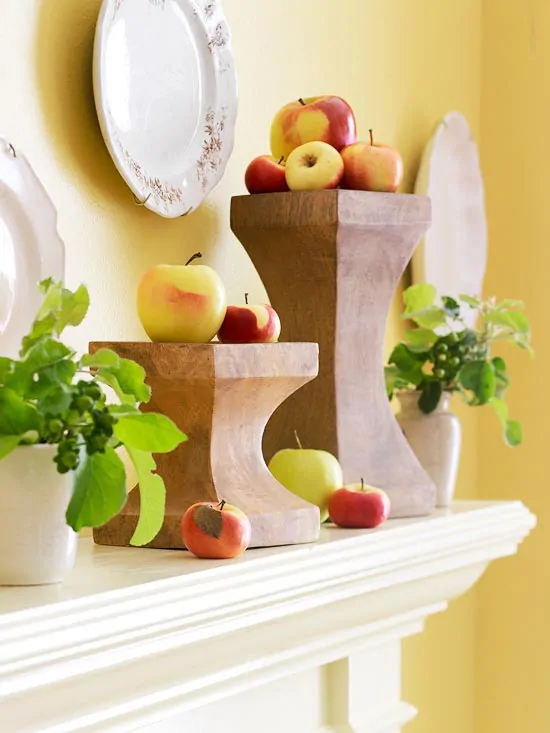
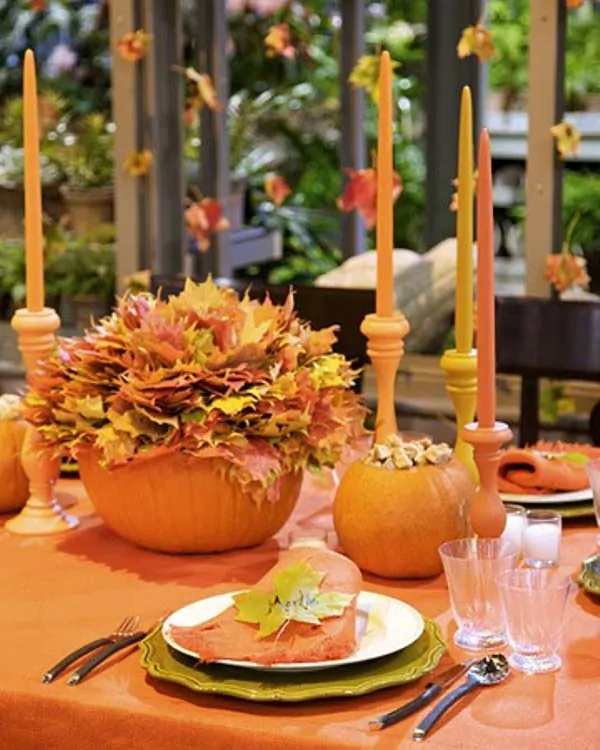
A fall centerpiece earns its keep when it looks good empty-handed, before a single plate hits the table. Think a low wooden dough bowl filled with dried wheat, small green pumpkins, and a few brass candlesticks at different heights.
Height is the part most people get wrong. Anything taller than eye level blocks conversation, so the rule is simple: keep it low and let it run long down the middle of the table instead of piling up. Mixing textures matters too. Rough dried stems next to smooth ceramic and warm metal gives the eye somewhere to travel, which is what stops an arrangement from looking flat under overhead light. It’s the difference between a table people photograph and a table people actually sit around until the coffee goes cold.
Proof that small choices carry the biggest weight.
2. Seasonal Lighting Ideas
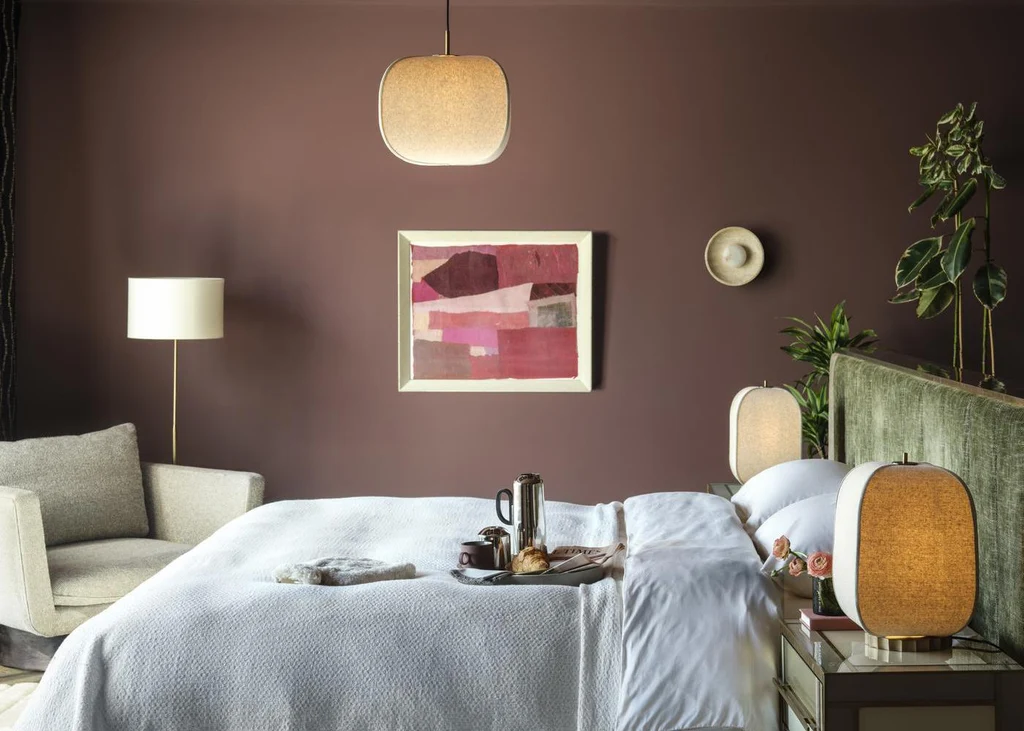
Those candlesticks on the table hint at something bigger. Fall living rooms live or die by lighting, and the overhead fixture is almost always the enemy after sunset.
The fix is spreading light out and keeping it low. A couple of table lamps with warm bulbs, a floor lamp tucked behind an armchair, and a string of small bulbs along a mantel do more for the mood than any single ceiling light ever will. Warm-toned bulbs around 2700K are what make oak, wool, and rust-colored fabrics look rich instead of washed out. Candles handle the rest, especially clustered in odd numbers on a tray. The room stops feeling like a place you pass through and starts feeling like somewhere you settle in with a book while the wind picks up outside.
Evenings slow down without anyone deciding they should.
💡 Pro Tip: Aim for at least three separate light sources in one room, all at different heights (table, floor, and mantel or shelf). Put the lamps on dimmers or use bulbs with a low warm setting so the room can shift from homework hour to wind-down without touching the ceiling light.
3. Textures, Patterns, and Scents
Lighting sets the mood, but texture is what makes a room feel like fall when you touch it. Swap the thin summer throw for chunky knit, add a jute or wool rug underfoot, and lean a corduroy or velvet pillow against the linen ones already there.
Pattern works the same way, in moderation. One plaid, one small check, and a solid or two keeps things layered without turning the sofa into a fabric sample book. The trick is repeating a single color across all of them so the mix reads intentional.
Scent is the quiet finisher. A simmer pot of orange peel, cinnamon sticks, and cloves on the back burner does something a candle can’t, because it fills the whole floor of the house instead of one corner. Walk in the door after a cold errand run and the place greets you before you’ve taken your coat off.
Texture you can feel. Warmth you can smell.
🔍 Suggestion: Group your textures where people actually sit. One sofa corner with a knit throw, two mismatched pillows, and a soft rug within reach of bare feet beats spreading single pieces thinly across every room in the house
4. Fall Colors
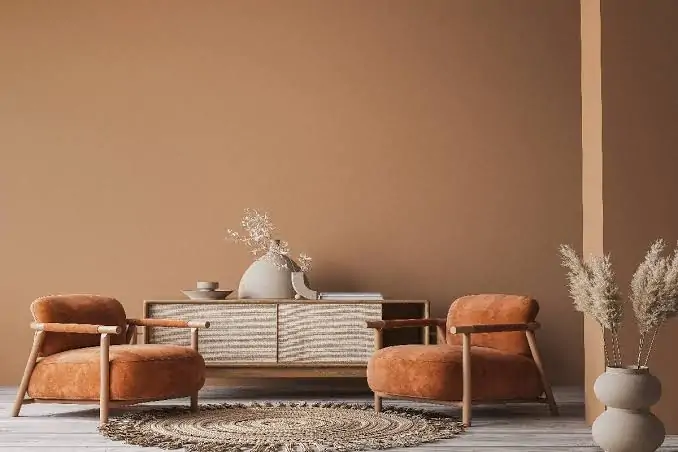
Repeating one color across pillows only works if the color is worth repeating. Fall palettes hold up best when they stay close to what’s happening outside the window: rust, olive, mustard, warm clay, deep brown, and a soft cream to keep it breathing.
Skip the orange-and-black route unless it’s Halloween week. Muted, earthy tones stretch from September straight through Thanksgiving without ever looking like a holiday leftover.
An easy split is roughly seventy percent neutral, twenty percent your main fall shade, and ten percent something darker for contrast. That balance is why a rust throw pillow reads as cozy on a cream sofa and chaotic on a bright red one. Colors pulled from the same family always settle down next to each other.
5. Cozy Decorative Accents
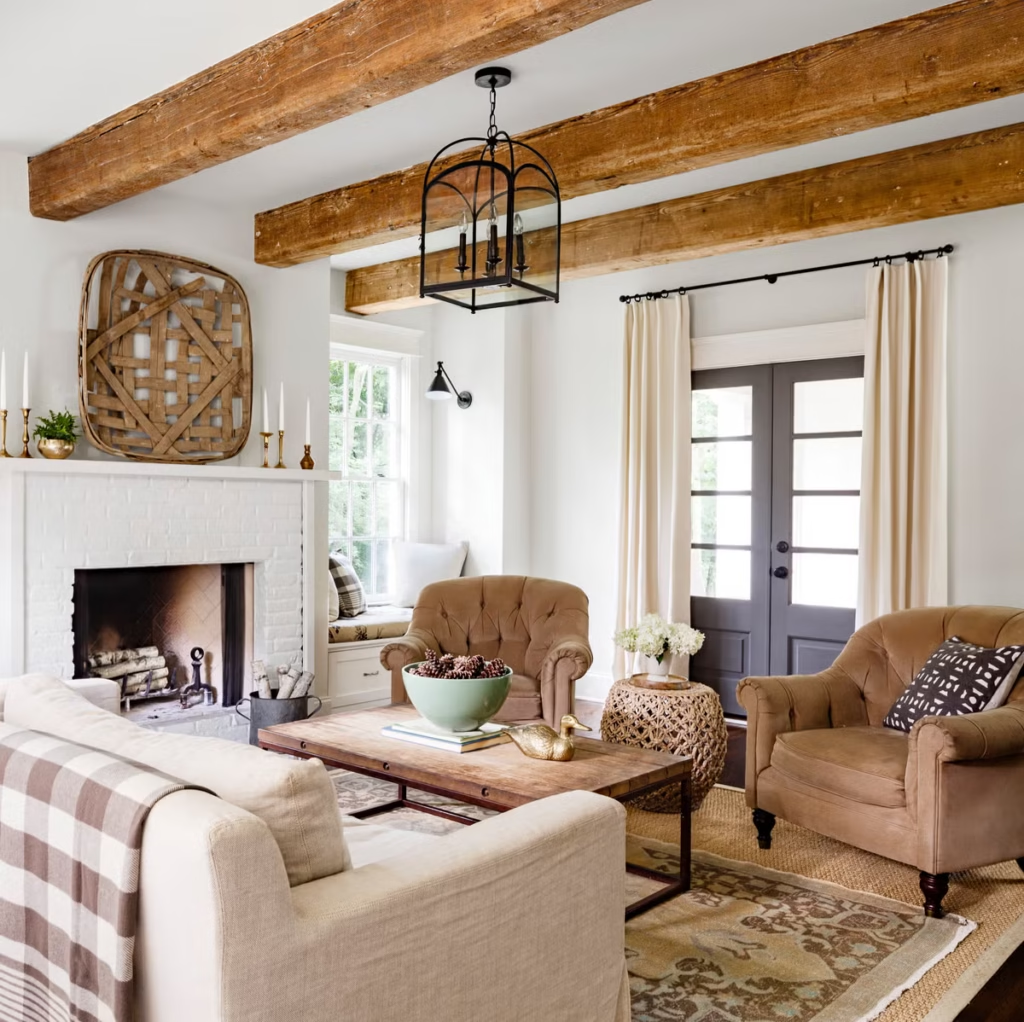
With the palette settled, the small stuff has somewhere to belong. Accents are the last layer: a stack of well-worn books on the coffee table, a woven basket holding rolled blankets by the sofa, a wooden bowl of acorns or dried citrus on a shelf.
Odd numbers and varied heights are what keep these groupings from looking staged. Three items beat four almost every time, and one tall piece next to two short ones gives a shelf a shape your eye can follow.
Leave breathing room, though. Empty space around a small vignette is what makes it register as a deliberate choice instead of clutter waiting to be tidied. That’s also why the corner with two thoughtful objects looks better than the surface covered in eleven.
Most guests never notice why a room feels good. They just end up staying longer than they meant to.
💡 Pro Tip: Pull accents from things you already own before buying anything. Kitchen bowls, books off the shelf, and a basket from the closet cover most of it, and the pieces already in your house tend to match your palette better than something bought in a hurry.
You Might Also Love These Ideas
- DIY Homemade Air Cooler. A pennies-cheap build that keeps rooms breezy and calm on the stickiest afternoons.
- Shed Turned Tiny Home. A family of six carved out warm layers and clever storage inside one small footprint.
- DIY Toilet Bowl Cleaner. An all-natural mix that leaves the bathroom fresh without any harsh chemical sting.
- 21 Ways to Reuse Plastic Bottles. Simple projects that turn everyday clutter into pieces worth keeping in sight.
Frequently Asked Questions
When should I start decorating for fall?
Early to mid September works for most homes. Start with the pieces that stay useful for months, like throws, warm bulbs, and earthy pillows, and hold off on anything strictly Halloween until closer to the date. That way the room grows into the season instead of announcing it overnight.
How do I decorate for fall without buying new things?
Look at what you already own first. Kitchen bowls, books, baskets from the closet, and blankets from the linen shelf cover most of a fall setup. Then add a few natural finds like acorns, dried stems, or branches from the yard. Free, seasonal, and already matched to your palette.
What fall colors work best in a living room?
Rust, olive, mustard, warm clay, and deep brown, all balanced with cream or soft white so the room still breathes. Keep roughly seventy percent neutral and let the fall shades work as accents. Muted earth tones carry from September through Thanksgiving without ever looking like holiday leftovers.
How many pumpkins are too many?
Once you stop noticing them individually, there are too many. Small clusters in odd numbers read as intentional, while a pumpkin on every surface reads as clutter. Two or three grouped in a bowl or along a mantel does far more than a dozen scattered around the house.
What is the easiest way to make a room feel cozier in fall?
Change the lighting. Swap in warm-toned bulbs and add two or three separate light sources at different heights, then skip the overhead fixture after sunset. Low, warm light instantly makes wood, wool, and rust-toned fabrics look richer, and it takes about ten minutes to set up.
How do I keep fall decor from looking cluttered?
Leave empty space around each grouping. A small vignette of two or three objects with room to breathe looks deliberate, while a fully covered surface looks like something waiting to be tidied. Clear one surface completely and the rest of your decorating suddenly reads as a choice.
CONCLUSION
Fall decorating doesn’t ask for much. A low centerpiece that keeps conversation flowing, lamps instead of the ceiling light, one knit throw within reach of the sofa, and a palette borrowed straight from the trees outside.
Start with lighting if you only have twenty minutes this weekend. Swap two bulbs for warm ones, turn on a table lamp, and see how different the room feels by 6 p.m. Everything else layers on from there, one small piece at a time.
The best fall rooms were never staged. They just got warmer as the season did, and nobody wanted to leave.