19 Easy Seasonal Bedroom Ideas for Every Season
Nobody redecorates a bedroom four times a year. That’s not what seasonal decorating means, and the idea that it does is probably why most people skip it entirely.
What actually works is smaller. A handful of things get swapped, and everything else stays exactly where it is. Bedding is the big one, since it covers more surface area than anything else in the room. After that it’s curtains, one rug, a few pillows, and the light. Change those five and a bedroom feels genuinely different, even though the walls, the furniture, and the layout never moved.
The trick is building a neutral base worth keeping. When the bed frame, the walls, and the larger pieces stay quiet year-round, the seasonal layers cost very little and store easily.
The ideas ahead cover all four seasons, from lighter linens and sheer curtains in summer through to chunky knits, deep color, and warm scent when the nights draw in.
1. Choose a Light, Bright Palette

Summer color doesn’t have to mean loud color. A soft, sunny palette does more for a bedroom in July than anything bold, because pale shades bounce light around a room instead of absorbing it.
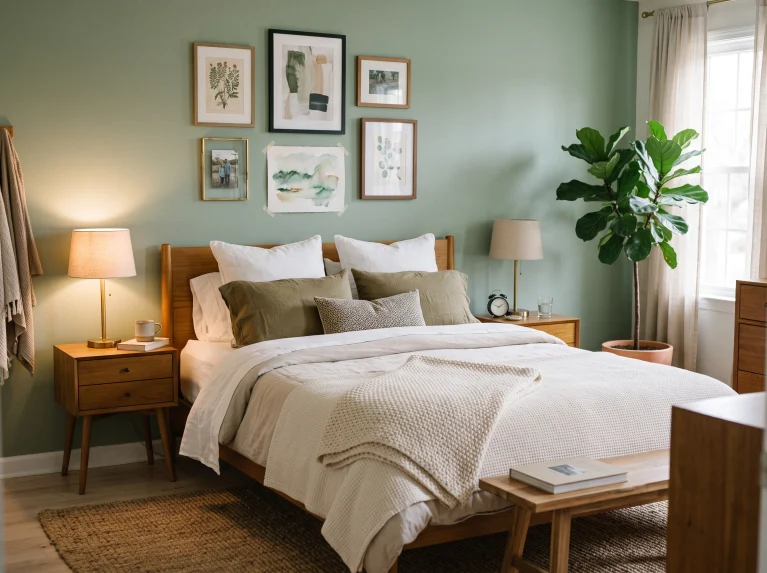
Light yellow, pastel pink, and soft blue all work here, and a fresh coat of paint on one wall is usually enough to shift the whole mood. Pulling colors from outside is the shortcut worth taking. Leafy green, ocean blue, and sandy neutral already look right together because nature arranged them that way first. Carry the same shades onto the bedding and a couple of accessories so nothing feels stranded. Bright mornings in a room like this are genuinely easier to wake up to.
The whole room feels lighter for it.
2. Capitalize on Warm Neutral Tones

Cool summer shades open a room up. Warm ones do the opposite, pulling the walls in closer, which is exactly what a bedroom wants once the nights get long.
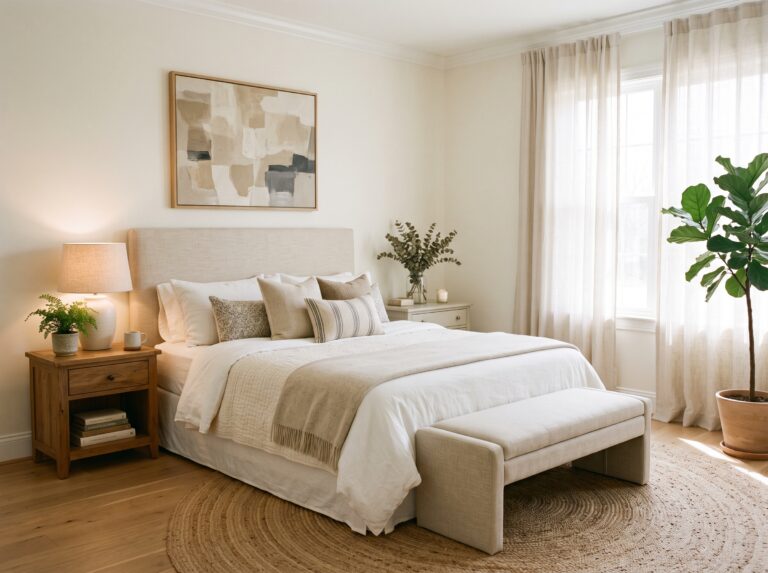
Layered neutrals are the reliable winter choice for a practical reason. Cream, oatmeal, camel, and taupe sit close enough together to read as one warm surface, so the room feels wrapped rather than decorated. The other advantage is flexibility. A neutral base means seasonal changes cost almost nothing, since swapping lampshades, throws, and cushions is enough to move the room from October to April. For a bolder winter version, let the neutrals run darker into chocolate and deep charcoal.
Easy to switch out as the seasons turn.
3. Make It Interesting with Wallpaper
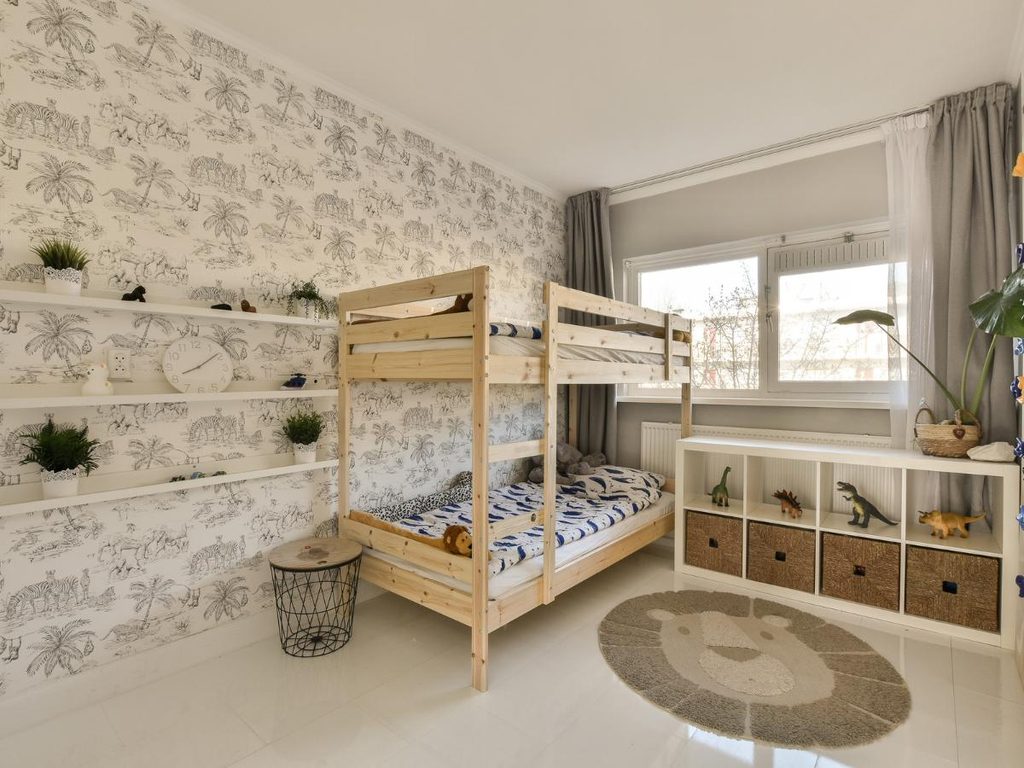
Painting a room takes a weekend and a fair amount of willpower. Wallpaper skips most of that, and it changes a bedroom’s character faster than a new coat of anything.
Spring is the easiest season to paper for. Soft stripes, small geometrics, and gentle florals in pastel tones lift a room without shouting, and the pattern does the work that furniture and accessories would otherwise have to do. Papering only the wall behind the bed keeps the cost down and stops the room feeling closed in, which matters in a small bedroom. Peel-and-stick versions come off cleanly, so the whole thing can change again next year if the mood does.
A smart pick for renters and anyone who likes changing their mind.
💡 Pro Tip: Hang the first strip against a plumb line rather than the corner of the room. Corners are almost never straight, and one crooked first strip throws off every panel after it.
4. Include Natural Materials
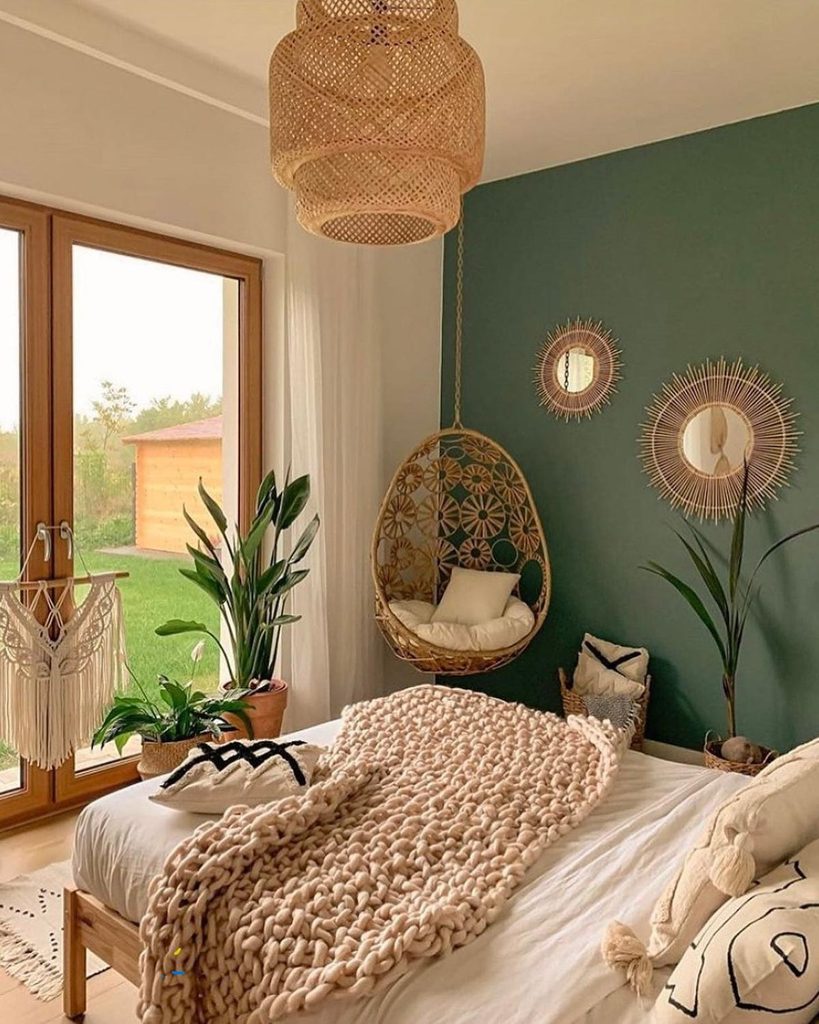
Pattern gives a room interest. Texture gives it a season, and nothing says summer faster than woven rattan against pale walls.
Natural materials work because they carry warmth and irregularity that painted surfaces can’t. A rattan side table, a woven basket, a marble tray, or a jute rug all catch light differently through the day, so the room shifts slightly from morning to evening. Swapping a few smaller pieces is usually enough, though replacing something larger like a headboard takes the coastal feeling further. Picture frames, lamp bases, and accent pieces in natural fibers make the change without any real cost. Rooms like this feel like somewhere you’d stay on holiday.
A setup that turns any evening into a slow one.
👉 Suggestion: Look for open-weave rattan, seagrass, or jute in natural undyed tones rather than painted or lacquered finishes. Raw fibers read as summer, while glossy coatings flatten the texture that makes the material worth using.
5. Go for Lighter Rugs, Drapes, and Accessories

Texture handles the summer feeling. Weight handles the spring one, and swapping heavy textiles for lighter ones is the fastest way to make a bedroom feel like the season has actually changed.
Linen and cotton are the obvious choices because they hang differently than winter fabrics. Lighter cloth moves, catches air, and lets daylight through, which is what makes a room read fresh rather than closed up. Trading thick drapery for sheer panels is the biggest single change, since it lets far more light into the room. From there it’s a lightweight throw instead of a chunky one, a few pillows in soft pastels, and a flatter rug underfoot. The first morning after the swap always feels brighter than it should.
Proof that small choices carry the biggest weight.
6. Focus on Window Treatments
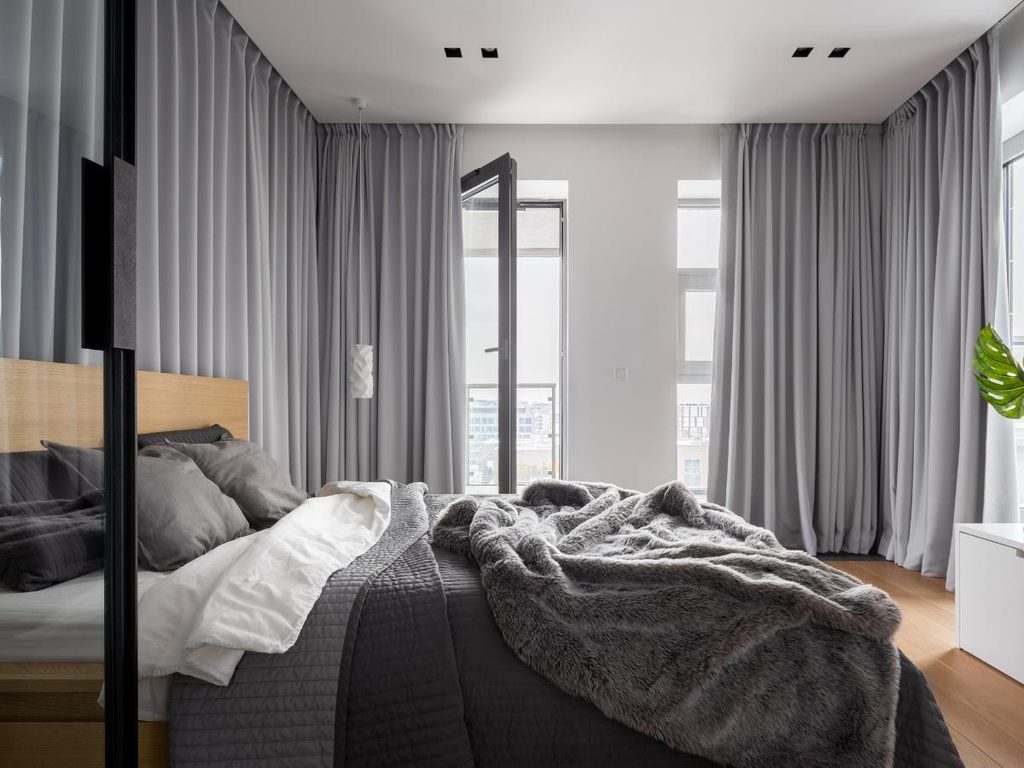
Push that idea further and the window becomes the main event. No single curtain works all year, since freezing January nights need thick, lined drapes while July needs almost nothing at all.
Doubling up is the smart solution. Hanging blinds behind curtains gives a bedroom two working layers, so the heavy panels can come down in spring while the blinds keep handling light and privacy on their own. That flexibility is what makes it worth the setup cost. The alternative is swapping curtains twice a year, thick and interlined for winter, lightweight voile for summer. Either way, the room stops fighting the weather. Winter evenings feel warmer the moment the heavy panels go back up.
Best suited for older houses and rooms with drafty windows.
💡 Pro Tip: Mount the curtain rod 4 to 6 inches below the ceiling and extend it 8 to 10 inches past each side of the window frame. That extra width lets panels stack off the glass in summer, which means more daylight without taking anything down.
7. Double Down on Artwork and Décor

Once the windows are letting more light in, the walls need looking at too. Summer is the season to commit to fewer pieces rather than more, because breathing space reads as cool and calm in a way a crowded wall never does.
Dark, heavy artwork that felt right in December starts to weigh a room down by June. Pulling those pieces and leaving one or two lighter ones in their place gives the eye somewhere to rest. Whatever stays should earn it, which usually means the piece with the most white space or the softest palette in it. The empty wall is doing real work here, not sitting unfinished. Bedrooms feel noticeably cooler when there’s less to look at.
The space carries a quieter mood.
8. Work on Your Headboard

With the walls pared back, the headboard becomes the biggest thing in the room. That makes it the best place to bring a season in, and it takes less effort than most people expect.
Fabric-covered headboards are the easiest to change. New material stapled to the back takes an afternoon, and slipcovers made for the frame can be swapped as often as the mood shifts. Flat wooden headboards can be painted or papered instead, which suits deeper autumn tones like rust and chestnut particularly well. Rooms without a headboard at all can fake one with a panel of wallpaper on the wall behind the bed. Leaning back against something that matches the season is a small thing that lands every evening.
One of those setups where every piece earns its place.
💡 Pro Tip: Cut seasonal slipcovers about an inch larger than the headboard on every side and finish them with elastic or ties at the back. The slight excess lets the fabric pull taut instead of gaping at the corners.
9. Layer Up on Bedding

Below the headboard sits the change that matters most. Bedding covers more of a bedroom than any other surface, so layering it properly is what makes winter feel intentional instead of just cold.
Depth is the whole point. A brushed cotton or linen sheet against the skin, a merino wool duvet above it, and a chunky knit blanket folded across the end gives three different weights doing three different jobs. Color pulls it together, and earthy tones work best here. Fern green, chestnut brown, and oatmeal read like the outdoors in January, while a cranberry or deep berry pillow adds one small lift. Getting into a bed like this on a freezing night is the closest thing to a reward for surviving the day.
The kind of space that pulls you in and keeps you there.
10. Bring the Outside In
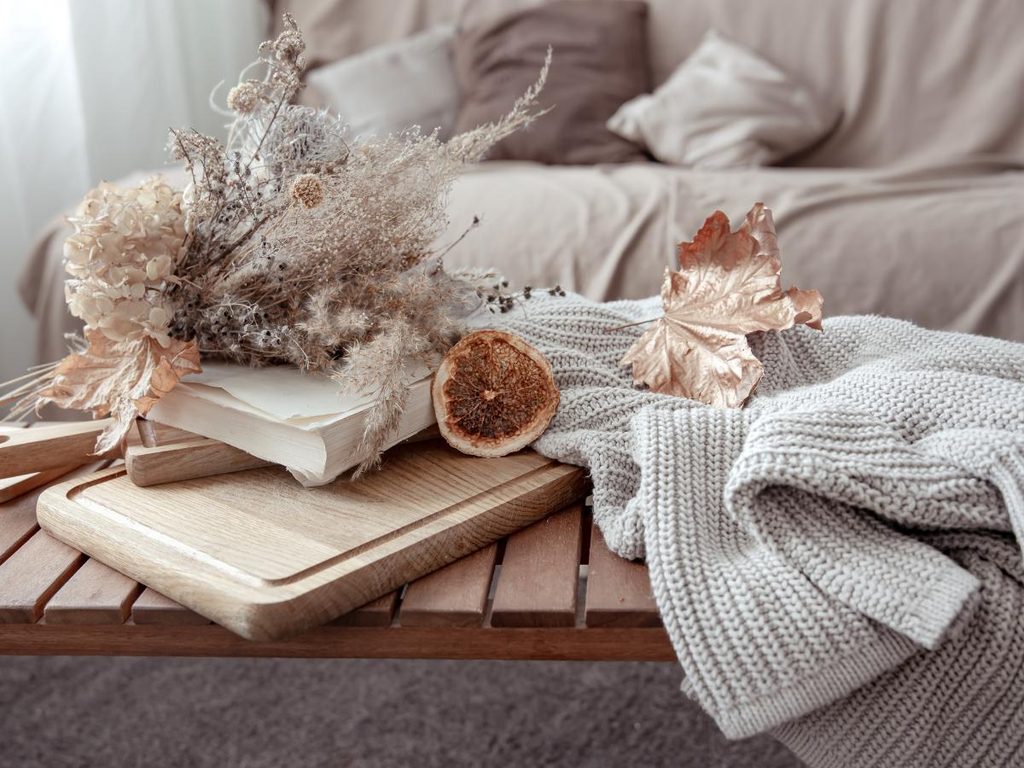
Warm layers handle the cold. Autumn wants something different, and the cheapest seasonal decor in the world is already lying on the ground outside.
Fallen leaves pressed into simple frames, bare twigs in a tall vase, dried hydrangea heads, or a small wreath hung above the headboard all bring the season indoors for nothing. Natural material works better than shop-bought autumn decor because the colors are already the right ones, faded and slightly imperfect rather than printed orange. Keep it to two or three pieces so the room stays a bedroom instead of a craft display. There’s something quietly satisfying about a walk that ends with something worth putting in a vase.
A smart pick for anyone decorating on almost nothing.
💡 Pro Tip: Press leaves flat between sheets of paper under a stack of books for about a week before framing them. Fresh leaves curl and brown within days, while pressed ones hold their color for a whole season.
11. Opt for Lighter Linens

Flip forward to the other end of the year and the bed needs the opposite treatment. Summer sheets have a job beyond looking good, since the right fabric genuinely changes how well anyone sleeps through a warm night.
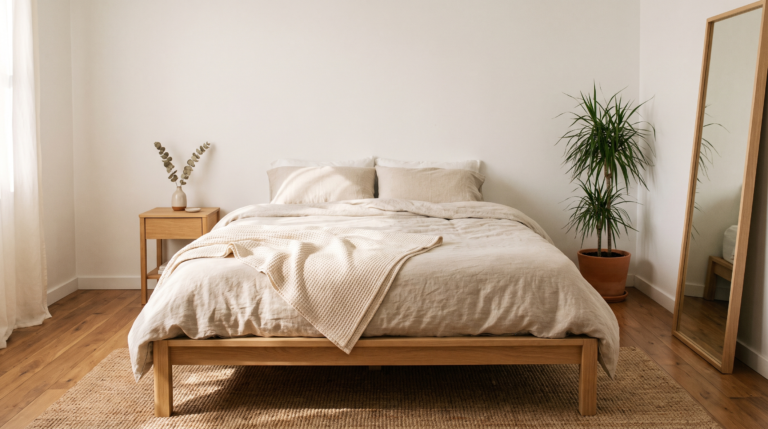
Linen and cotton both breathe in a way flannel and sateen simply don’t, which is why they feel cool to the touch even in a room that isn’t. Linen in particular stays comfortable as the night warms up, and it softens with every wash. Light colors help too. Soft pink, pale blue, and crisp white all keep the bed looking fresh rather than heavy. The slightly rumpled look linen holds is part of the appeal, and it means the bed still looks fine when it gets made in a hurry.
Made for hot sleepers and bedrooms that trap the afternoon sun.
👉 Suggestion: Look for stonewashed linen or cotton percale rather than sateen for summer sheets. Percale has a crisp, matte finish that stays cool, while sateen’s smooth weave traps more heat against the skin.
12. Dress Your Floor

Look down, because the floor is the one surface people feel before they see. A rug does more for a winter bedroom than almost anything else, and it works on comfort rather than looks alone.
Layers of soft flooring insulate a room in two ways. They soak up sound, so the space feels quieter, and they hold warmth that bare boards give straight back to the cold air. Hardwood looks beautiful and full of character, but stepping onto it barefoot in January is genuinely unpleasant. Deep pile rugs layered over the boards solve it without covering the wood permanently, and a sheepskin beside the bed handles the exact spot where feet land first. That first step out of bed stops being something to dread.
The morning routine feels a little kinder.
13. Utilize Your Color Scheme

Warm floors handle winter comfort. Spring asks for something lighter overhead, and the colors that work best come straight out of a garden in April.
Blush pink, sky blue, soft green, and muted yellow all sit in the same gentle register, which is why they can share a room without competing. Nature-inspired shades also support sleep better than saturated ones, since nothing in the palette jolts the eye at the end of the day. Layering two or three related hues adds depth, so a spring room feels considered rather than washed out. The colors can arrive anywhere: walls, bedding, or a few accent pieces. Opening the curtains on a room like this in early April feels like the year has properly started.
A look that stays fresh long after the season passes.
💡 Pro Tip: Pick spring colors at the same depth rather than mixing pale and saturated. Blush, sky blue, and soft green all sitting at similar lightness read as one palette, while one bright shade among pastels dominates the whole room.
14. Dim the Lights

Spring color works because the days are getting longer. Autumn goes the other way, and once the evenings close in early, light does more for a bedroom than color ever could.
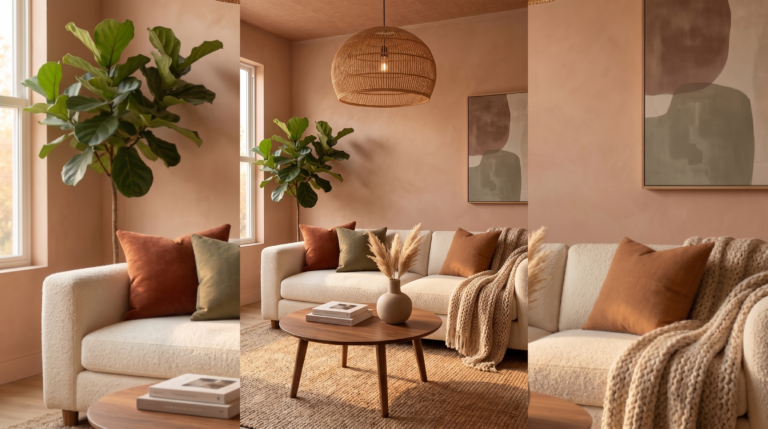
Soft, warm light is what makes a room feel like a place to slow down. One bright ceiling bulb flattens everything, while several smaller sources create pools of light that leave shadow between them, and shadow is where the coziness lives. Swapping bulbs to a warmer tone costs almost nothing and changes the whole room by six o’clock. Candles finish it, particularly the seasonal ones with pumpkin, cinnamon, or apple. Turning on two lamps instead of the big light is a small ritual that makes October evenings feel deliberate.
A setup that turns any evening into a slow one.
15. Swap Out Soft Furnishings

Turn the lights back up and summer asks for the opposite energy. Fabric is where that shift happens fastest, because soft furnishings cover enough of a bedroom to change the mood without anything structural moving.
Bright patterns and cheerful color do the work here, and there’s no need to match everything. An upholstered headboard can take a new cover in a lighter texture, a bed skirt can change with it, and pillows can go bolder than they would in January. Mixing prints rather than matching them keeps the room feeling relaxed instead of staged. All of it stores flat in a closet come September, which is the practical reason this approach beats repainting. Summer bedrooms should look a little unserious.
The kind of corner that quietly becomes everyone’s favorite.
👉 Suggestion: Choose covers in washable cotton, chambray, or lightweight canvas rather than velvet or heavy weaves. Light fabrics fold down small for off-season storage and survive repeated washing through a warm, sticky summer.
16. Decorate Your Nightstand
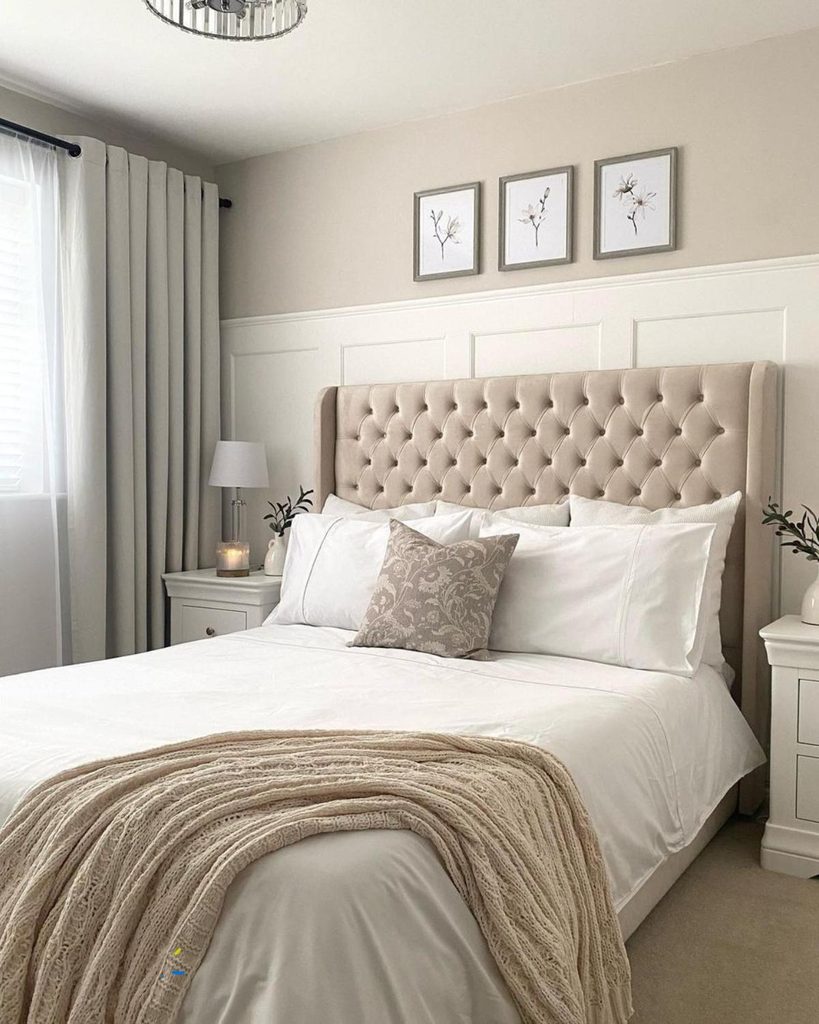
Not every seasonal change needs to touch the whole room. The nightstand sits at eye level from the bed, which makes it the smallest surface with the biggest daily payoff.
Spring is the obvious season to use it well, since fresh flowers are suddenly everywhere and cost almost nothing. A bud vase with two or three stems works better than a full arrangement, because a small surface gets crowded fast. Add a candle, a stack of books with pale covers, and that’s the whole thing done. Keeping it sparse is what makes it look styled rather than cluttered, and it leaves room for a glass of water and a phone. Changing the stems on a Sunday quietly resets the room for the week.
Proof that small choices carry the biggest weight.
💡 Pro Tip: Style the nightstand in three heights: something tall like a lamp or stems, something mid-height like a candle, and something flat like a book or tray. The height variation is what makes a small surface look arranged rather than random.
17. Think Of a Canopy Bed
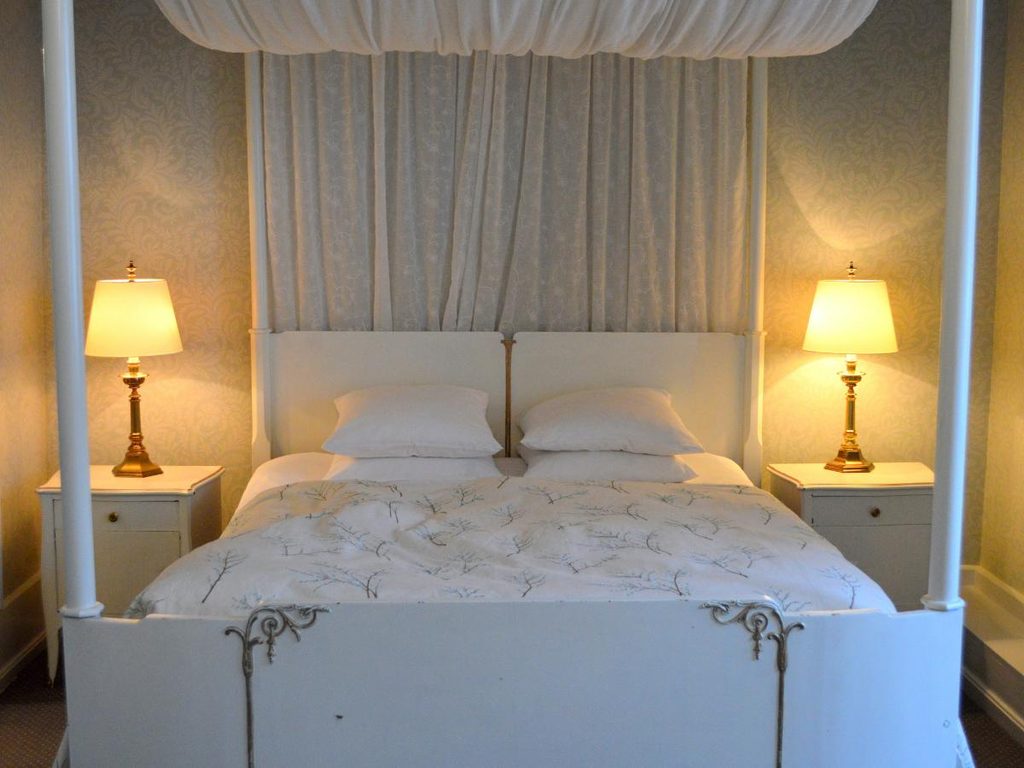
Now for something bolder. A canopy bed hung with curtains creates a room inside a room, which is exactly what a bedroom wants once the temperature drops.
Drapes around the bed do something no blanket can. They cut the draft, hold warmth close, and give the space a defined edge, so the bed stops being furniture and starts being a destination. Large bedrooms benefit most, since a canopy fills vertical space that would otherwise feel empty. Small rooms work too, though for the opposite reason. A canopy adds pattern and drama in a space with little room for anything else. Closing the curtains on a January night feels like shutting the whole year out for a few hours.
Best suited for high-ceilinged rooms and cold old houses.
18. Paint Your Furniture

Repainting a whole bedroom for one season is nobody’s idea of a good time. Painting one small piece is a different proposition entirely, and it changes the room more than the effort suggests.
The nightstands are the smart target. They sit right beside the bed where the eye lands most, so a seasonal color there registers immediately without touching the walls or the larger furniture. Sage or blush in spring, deep green or charcoal once autumn arrives. Concentrating the color in one spot near the bed is what makes the change read as deliberate rather than half-finished. Two small pieces take an afternoon and one sample pot, which is about as low as the commitment gets.
Made for anyone who wants real change without a full weekend of work.
💡 Pro Tip: Sand lightly and use a bonding primer before painting laminate or previously finished furniture. Skipping the primer is why repainted nightstands start chipping at the drawer edges within a month.
19. Fill Your Room with Aromas

Everything so far has been about what a bedroom looks like. Scent is the part people forget, and it’s the fastest signal a room can send that the season has turned.
Smell registers before the eye catches up, which is why walking into a room that smells like autumn feels different immediately. Reed diffusers work quietly in the background, candles handle the evening, and a small bowl of potpourri costs almost nothing. Fresh pine, spiced chai, apple, and cinnamon all read as cold weather, while lighter citrus and linen scents suit spring and summer better. Changing the scent with the season takes about a minute and lands every single time someone opens the door.
Sometimes the quietest details do the loudest work.
RELATED:
STYLISH BLACK AND GOLD BEDROOM IDEAS FOR ELEGANT SPACES
Frequently Asked Questions
How often should you change bedroom decor by season?
Twice a year covers most people. A warm-weather setup and a cold-weather setup handle the real temperature shift, and spring and fall become minor tweaks rather than full changes. Swapping bedding, curtains, and one rug is usually enough for each switch. Anyone who enjoys the process can do four changes, but two is what most households actually keep up with.
How much does a seasonal bedroom refresh cost?
Most seasonal refreshes stay under $150, and many cost far less. The money goes into bedding and a few pillow covers, since those cover the most surface area for the least outlay. Pillow covers alone (rather than whole new pillows) are the cheapest way to shift a room. Big-box stores like IKEA or Target carry affordable seasonal textiles, and thrift stores are good for throws and baskets.
What bedroom decor should stay the same all year?
Anything large or expensive should stay put. The bed frame, dresser, wall color, and main light fixture are the pieces that cost real money and take real effort, so keeping them neutral makes every seasonal layer cheaper. Wood, cream, oatmeal, and soft gray all work in January and July. Save the seasonal spending for textiles and small accessories.
How do you make a bedroom cooler in summer without air conditioning?
Focus on fabric and airflow before anything else. Linen or cotton percale sheets breathe far better than sateen or flannel and make a real difference on warm nights. Removing the winter rug lets a hard floor stay cool underfoot. Closing curtains during the hottest part of the afternoon keeps heat out, then opening the windows once the outside air drops below the inside temperature.
What is the difference between seasonal and holiday decorating?
Seasonal decorating follows the weather and lasts for months, while holiday decorating marks a specific date and comes down within weeks. A wool throw and heavier curtains are seasonal, and a garland strung above the headboard is holiday. Keeping them separate means the room doesn’t look festive in mid-January. Seasonal pieces also justify better quality, since they get used far longer.
Conclusion
Seasonal decorating works best when it stays small. A few things change, everything else stays put, and the room still feels completely different from one month to the next. That’s the whole appeal. Light, bright summer palettes with linen and rattan, spring pastels and fresh stems, or deep winter layers with wool, warm lamplight, and a scent that says the nights have drawn in. None of it needs a renovation or a full weekend.
Pick one idea, not nineteen. The bedding is the smartest place to start, since it covers more of the room than anything else and costs far less than repainting. Save your favorite to a Pinterest board, bookmark this for the next free weekend, and pass it along to a friend whose bedroom has looked the same since last spring. A room that shifts with the seasons is a room you notice again, and it starts with one swap.