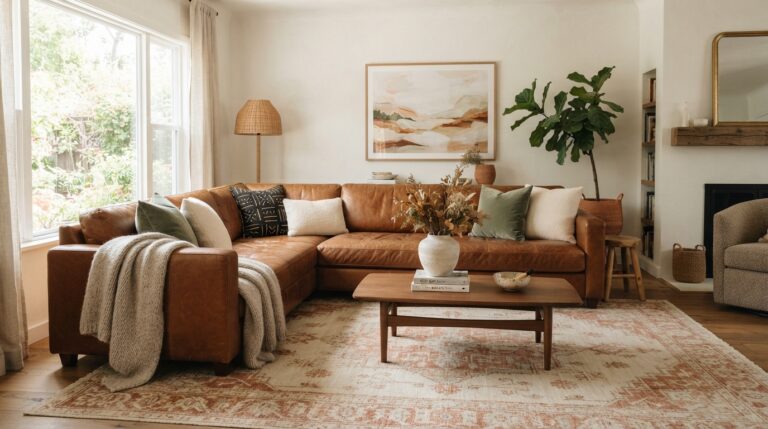
22 Large Living Room Ideas That Feel Cozy & Stylish
Big living rooms come with a quiet challenge that nobody warns you about. All that open space sounds like a dream until the couch looks lost, the walls feel bare, and the room echoes every time someone walks through. A large living room needs more than just bigger furniture. It needs ideas that fill the space without crowding it, and choices that make the whole thing feel warm instead of vast.
That’s where these 22 ideas come in. From floor-to-ceiling curtains that pull the eye up to oversized sectionals that give everyone a spot, each one solves a real problem big rooms tend to have. Some lean modern, others feel more classic, but every idea is built to make a large living room feel like the coziest room in the house.
Grab a coffee and start scrolling. The good ones are worth pinning twice.
1. Make Storage a Priority
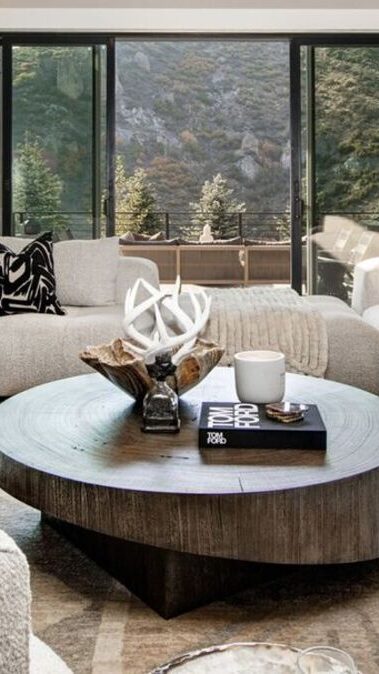
Big living rooms have a sneaky problem. The bigger the space, the more stuff drifts in, and suddenly the room that felt open starts looking cluttered around the edges. Smart storage is what keeps a large living room feeling calm instead of chaotic.
Think built-in cabinets that run wall-to-wall, low media consoles with closed doors, and woven baskets tucked under console tables. The reason this works so well is that closed storage hides the everyday mess (remotes, blankets, that pile of magazines nobody reads), while the surfaces stay clean and styled. Leave a few open shelves for books and ceramics so the wall still has personality. It’s the kind of setup that makes evenings feel unhurried, because everything already has a place to land.
Best suited for busy households, families with kids, and anyone who loves an uncluttered look without giving up comfort.
2. Impress with Large Artwork
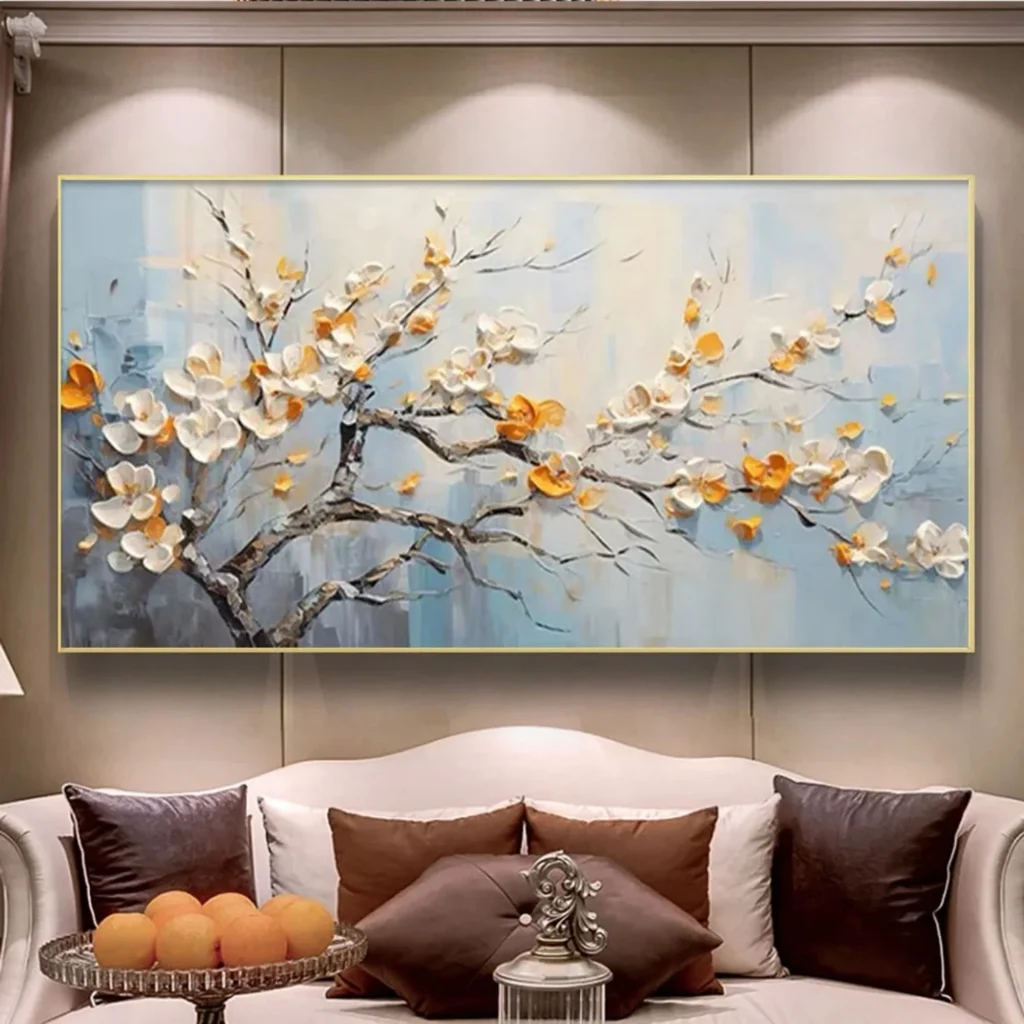
Blank walls in a big living room can feel like missed opportunities. Small frames scattered around only make the space look bigger and emptier, but one oversized piece changes everything. A giant canvas above the sofa or a wall-sized print near the entry instantly gives the room a focal point your eye actually lands on.
The trick is scale. A piece that’s around two-thirds the width of your sofa feels balanced, while anything smaller starts to float. Abstract art works beautifully here, but so does a moody landscape or a black and white photograph blown up large. Bold artwork also does something quietly clever: it fills vertical space, which makes tall ceilings feel intentional rather than cavernous.
Perfect for anyone who wants their living room to feel curated, gallery-like, and full of personality without adding more furniture.
3. Use Oversized Sectionals

A standard sofa in a large living room can look like a lonely raft in the middle of the ocean. Oversized sectionals fix that instantly by filling the space with purpose, not clutter. They give the room an anchor, and they give everyone in the family somewhere to actually stretch out.
Look for L-shaped or U-shaped configurations with deep seats and soft, forgiving cushions. The magic here is how a big sectional pulls people together. Instead of chairs scattered around like islands, everyone ends up facing each other, which makes the room feel social even when it’s just two people watching a movie. Pair it with a wide coffee table and a chunky rug that tucks under the front legs, and the whole seating area suddenly feels grounded.
Ideal for movie nights, big families, and anyone who believes a couch should feel like a hug.
4. Utilize Floor-to-Ceiling Curtains
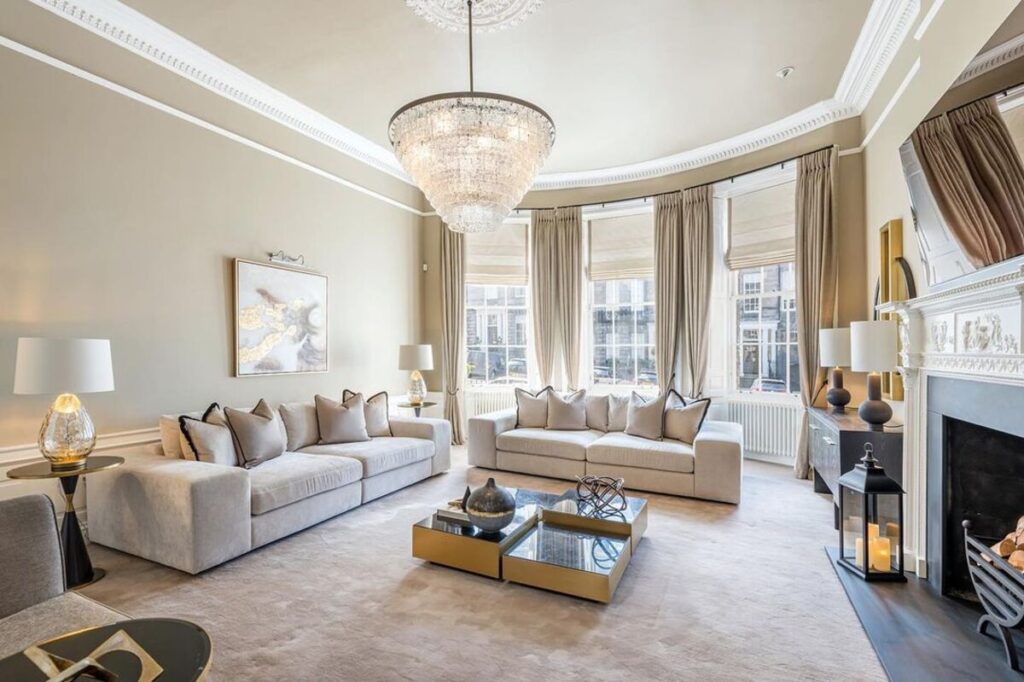
Standard curtains in a big living room can look almost apologetic, hanging short and stopping the eye halfway up the wall. Floor-to-ceiling drapes do the opposite. They stretch the room vertically, make windows look grander than they actually are, and add a softness that hard walls just can’t match.
Hang the rod as close to the ceiling as possible, not right above the window frame. This one small move tricks the eye into reading the whole wall as one tall, elegant surface. Linen and velvet both work beautifully here, depending on the mood you’re after. Light linen keeps things breezy and casual, while velvet brings a richer, more dramatic feel. Either way, let the fabric puddle slightly on the floor for that relaxed, lived-in look.
Great for rooms with tall windows, high ceilings, and anyone who loves that soft golden-hour glow filtering through fabric.
💡 Pro Tip: Always buy curtains at least 8 to 12 inches wider than your window on each side. When they’re pulled open, the fabric stacks neatly beside the frame instead of covering the glass, which means more natural light and windows that look twice as wide.
5. Incorporate a Stone Accent Wall
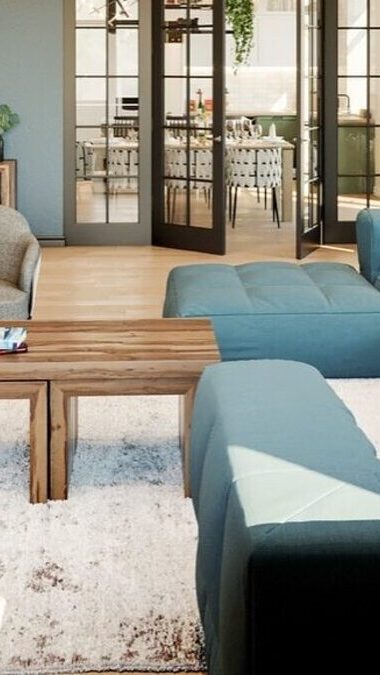
Big living rooms sometimes feel a little too polished, like everything is smooth drywall and clean lines. A stone accent wall breaks that up beautifully. It adds weight, texture, and a bit of natural roughness that instantly makes the room feel grounded and full of character.
Stacked stone works well behind a fireplace, while larger slab stone leans more modern and dramatic. The reason this trick works so well in big spaces is that stone has depth. Light hits it differently throughout the day, so the wall never looks flat or static. Keep the surrounding walls simple and neutral so the stone gets to be the main event. A single leather chair or a wood console nearby will echo the earthy feel without competing with it.
Perfect for cabin-inspired rooms, mountain homes, or anyone who wants their living room to feel like it has real bones.
💡 Suggestion: If real stone feels like too much of a commitment (or budget), try thin stone veneer panels instead. They install like tile, weigh a fraction of the real thing, and honestly, most guests can’t tell the difference.
6. Go for Bright Pops of Color
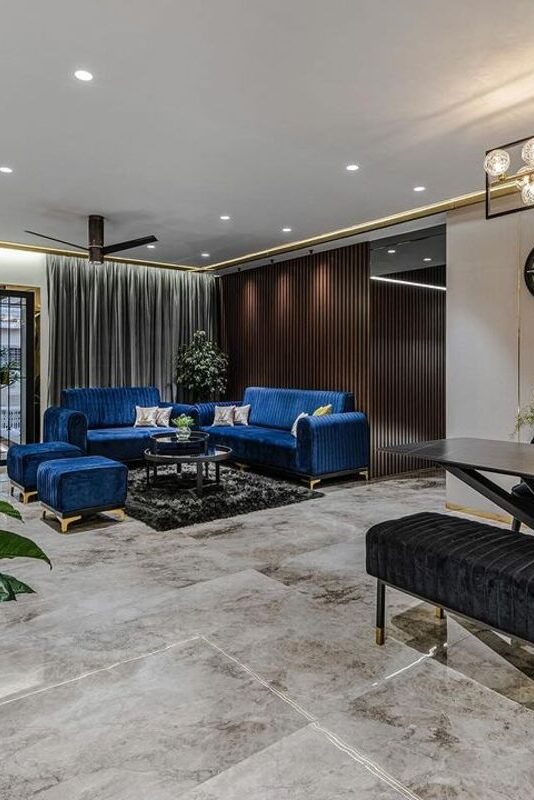
Large living rooms with neutral everything can start to feel a little flat, like a hotel lobby that forgot its personality. A few bright pops of color fix that fast. You don’t need to repaint anything or commit to a wild new palette. Just a handful of well-placed bursts is enough to wake the whole room up.
Think mustard yellow throw pillows on a gray sectional, a deep emerald armchair in the corner, or a coral vase sitting on a wood coffee table. The reason this works so well is contrast. Bright colors read even louder against a calm backdrop, so a little goes a long way. Try to repeat each color at least twice around the room, which keeps the eye moving and the space feeling intentional instead of random.
Ideal for anyone who loves neutrals but still wants their living room to feel joyful, playful, and full of life.
7. Transform Your Whole Wall with a Media Cabinet
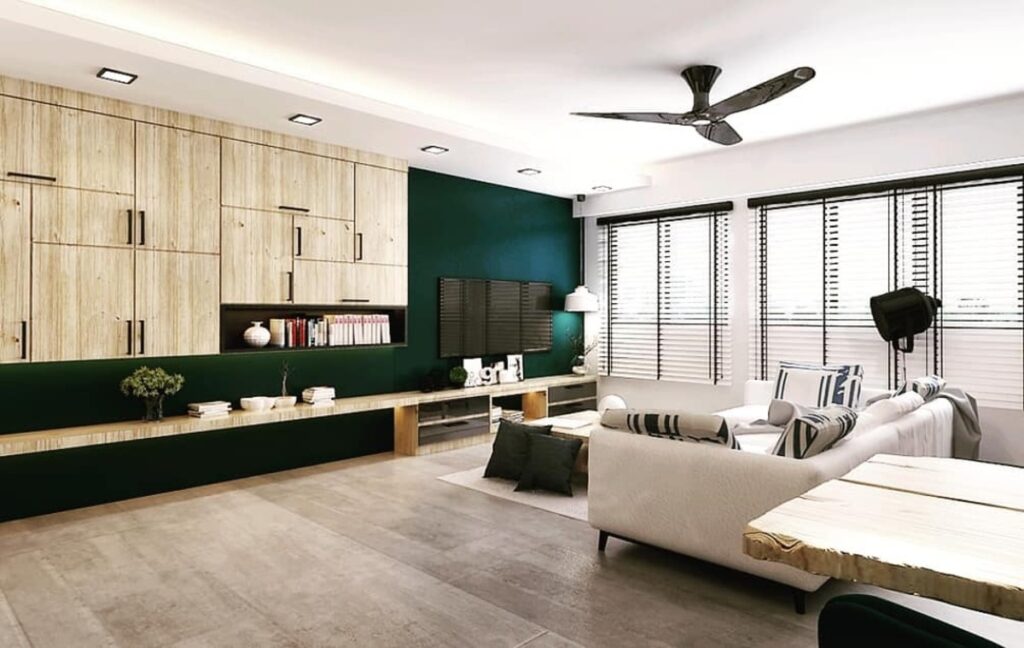
A floating TV on a huge wall in a big living room can look a little sad, like the wall wasn’t quite finished. A full-wall media cabinet solves that in one move. It turns the entertainment zone into a proper feature, hides all the cables and clutter, and gives the room a built-in look that feels expensive without actually being over the top.
Go for a mix of closed cabinets, open shelves, and a center opening for the TV. The closed doors keep the tech and toys out of sight, while the open sections let you style with books, plants, and a few sculptural pieces. If you love smart storage ideas, some of these genius hacks worth an award pair beautifully with a setup like this. Paint the whole unit the same color as the wall behind it, and suddenly it reads as architecture, not furniture.
Great for lovers, book collectors, and anyone tired of staring at a lonely TV floating in the middle of nowhere.
8. Expose Ceiling Beams
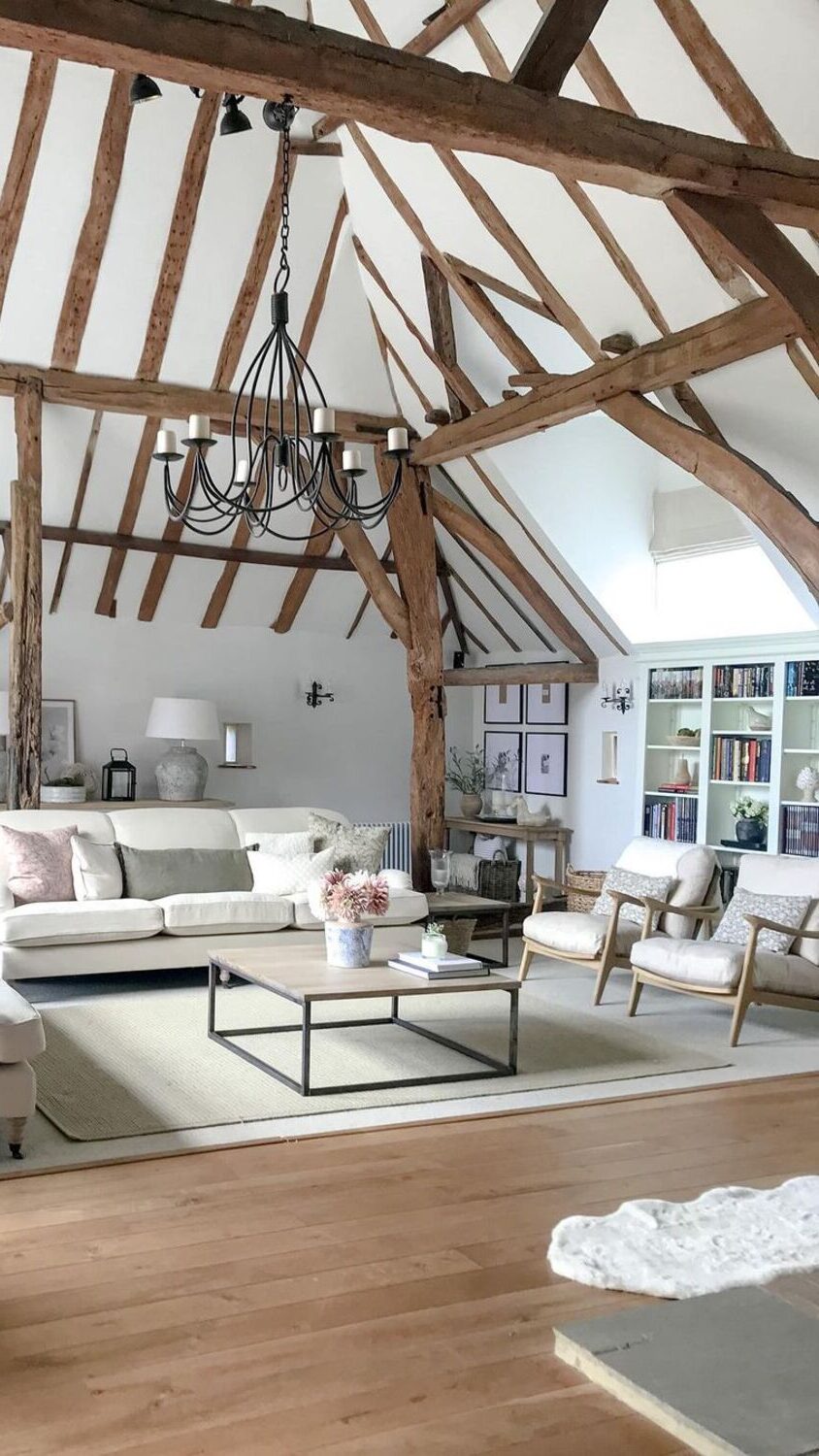
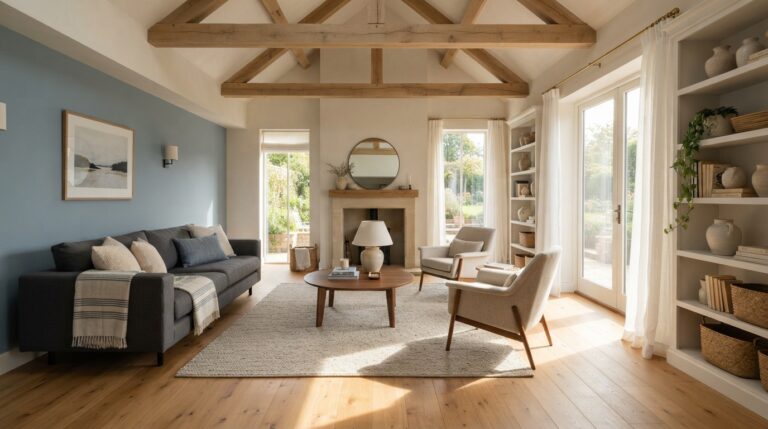
Big living rooms often have all the square footage in the world but nothing interesting happening overhead. Exposed ceiling beams change that in a heartbeat. They pull the eye up, add warmth to a room that might otherwise feel too open, and give the space a story that flat white ceilings just can’t tell.
Dark wood beams against a light ceiling create the strongest contrast, which works especially well in modern farmhouse or rustic-leaning rooms. If your ceilings are already high, run the beams the long way across the room to emphasize the length. Faux beams are lighter, easier to install, and honestly look just as good once they’re up. The key is spacing. Too many and the ceiling feels heavy. Just three or four evenly spaced beams usually hit the sweet spot.
Perfect for vaulted rooms, farmhouse styles, or anyone who wants their ceiling to feel like part of the design instead of an afterthought.
9. Include Multiple Seating Areas
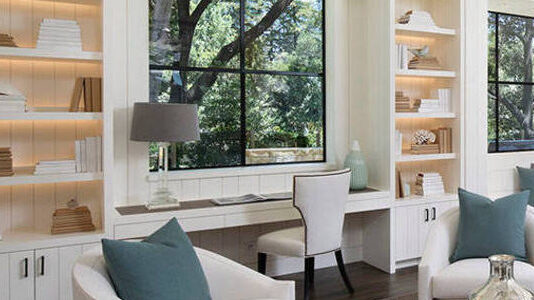
One giant seating arrangement in a huge living room can feel oddly formal, like everyone has to sit in the same spot to be part of the room. Breaking the space into two or three smaller seating areas fixes that instantly. Suddenly the room feels social, flexible, and way more inviting.
Try a main sofa setup near the fireplace or TV, then add a second cluster with two armchairs and a small round table by the window. Some of these ridiculously simple lifehacks can help you rethink how each zone functions, especially in wide-open rooms. The reason multiple zones work so well is that they give people options. One group can chat, another can read, and nobody feels stuck. Use a rug under each area to visually anchor the zones and keep the layout from feeling scattered.
Ideal for entertainers, families with different personalities, and anyone who loves rooms that can shift moods throughout the day.
10. Choose a Neutral Palette
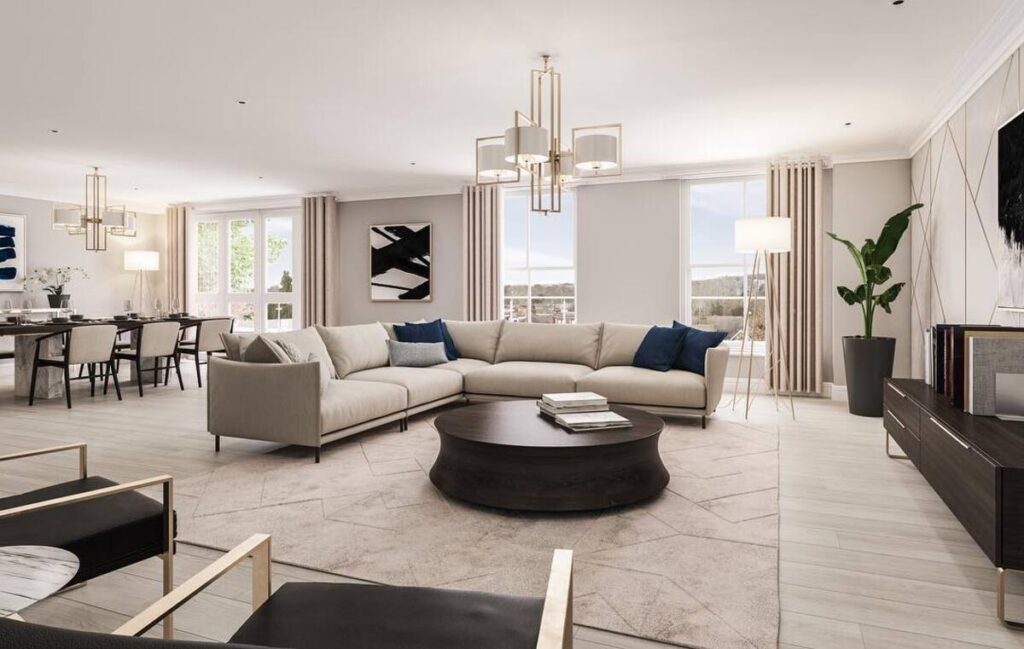
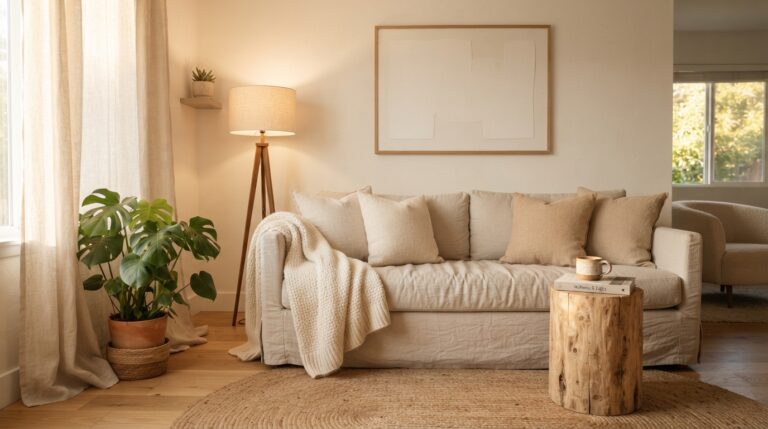
Big living rooms can get overwhelming fast when there’s too much color competing for attention. A neutral palette calms everything down. Soft whites, warm beiges, gentle greiges, and creamy taupes let the size of the room breathe instead of shout, which is exactly what a large space needs to feel restful.
The trick with neutrals is layering different shades and textures so the room doesn’t go flat. Pair a linen sofa with a chunky wool throw, add a jute rug, and mix in some smooth ceramics and warm wood tones. Each element brings its own quiet character without pulling focus. Neutrals also age beautifully, which means the room still feels current five years from now without any major updates. It’s the kind of palette that makes afternoon light look golden and evenings feel soft.
Best for minimalists, anyone building a long-term look, or people who just want their living room to feel like an exhale.
11. Install a Large Fireplace
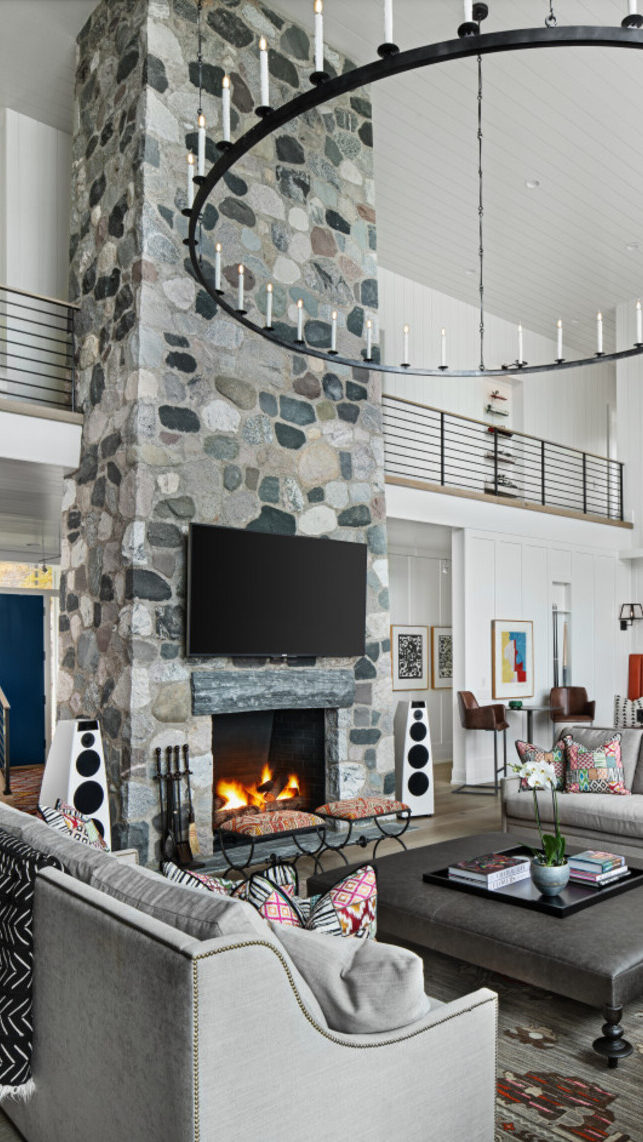
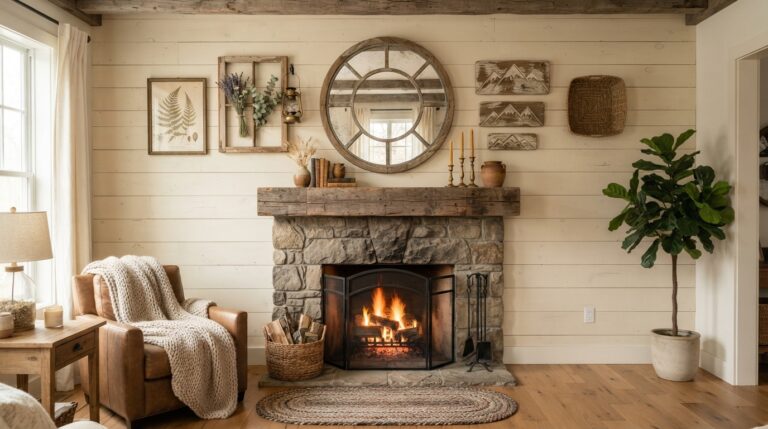
A small fireplace in a big living room can look like it wandered in from a smaller house. Going bigger with the fireplace gives the room the anchor it needs and creates a natural gathering point that no TV can quite match. It’s the kind of feature that pulls the whole layout together.
Floor-to-ceiling fireplaces with stone or plaster surrounds work especially well in tall rooms because they emphasize the vertical space. Linear gas models feel modern and clean, while a traditional wood-burning setup brings that unbeatable crackle and cozy smell. Whichever you choose, keep the surround material bold. A wide slab of marble, rough stacked stone, or smooth limewashed plaster all give the fireplace real presence. Add a chunky wood mantel for warmth, and suddenly the room has a heart.
Perfect for cold-weather homes, cozy evenings, and anyone who believes a real fire beats a screen any day.
12. Try Wall Paneling
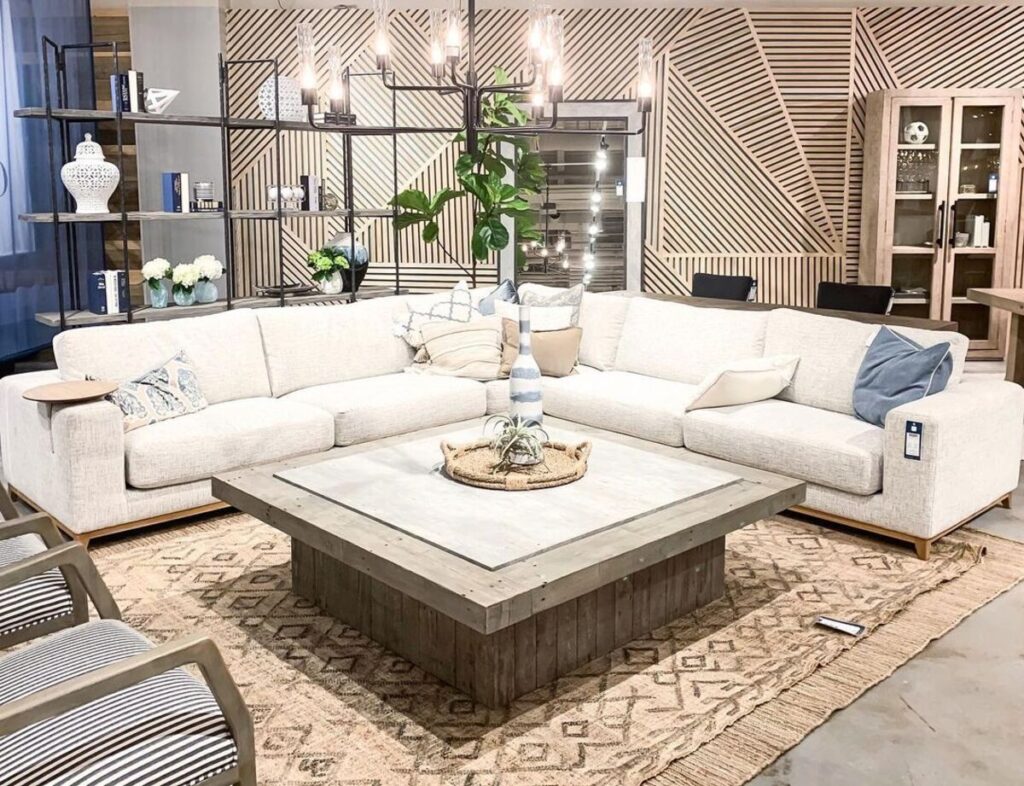
Big blank walls in a large living room can start to feel like a canvas nobody painted. Wall paneling fixes that by adding depth, shadow, and character to surfaces that would otherwise just sit there. It’s one of those touches that instantly makes a room look more considered, like someone actually thought about the walls instead of just painting them and moving on.
Board and batten works beautifully in traditional or farmhouse spaces, while slat wood paneling brings a warmer, more modern vibe. For something classic, try shaker-style panels painted the same color as the wall. The reason paneling works so well in large rooms is that it breaks up the endless flat expanse and gives the eye something to follow. Keep the paneling to one or two feature walls, not all four, so the effect stays special instead of overwhelming.
Great for anyone who loves architectural detail, timeless design, or rooms that quietly whisper craftsmanship in every corner.
💡 Pro Tip: If you’re going with vertical slat wood paneling, add a thin strip of LED lighting behind it near the ceiling or floor. The soft glow washes down the wood grooves and makes the whole wall feel like a design feature rather than just paneling.
13. Make Your Space Multifunctional
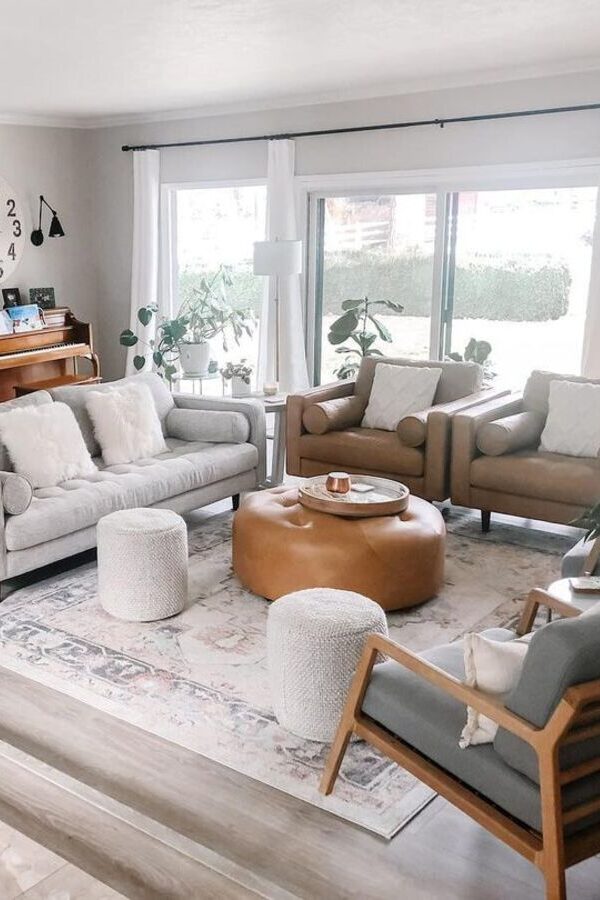
A big living room that only does one thing is a big living room wasting its potential. The best large spaces do double or triple duty without looking like a mishmash. A reading nook in one corner, a small work zone by the window, a play area behind the sofa, all living happily in the same room.
The key is defining each zone visually without building walls. Rugs, lighting, and furniture placement do the heavy lifting here. A tall bookshelf can act as a soft divider, while a pendant light overhead signals “this is the work spot.” If you love turning underused pieces into something new, these clever repurposing ideas are perfect for building flexible zones without buying new furniture. The goal is a room that adapts to whatever the day throws at it, from morning coffee to evening movie.
Ideal for small households living large, remote workers, or anyone who refuses to let square footage go to waste.
14. Use Stools for Extra Seating
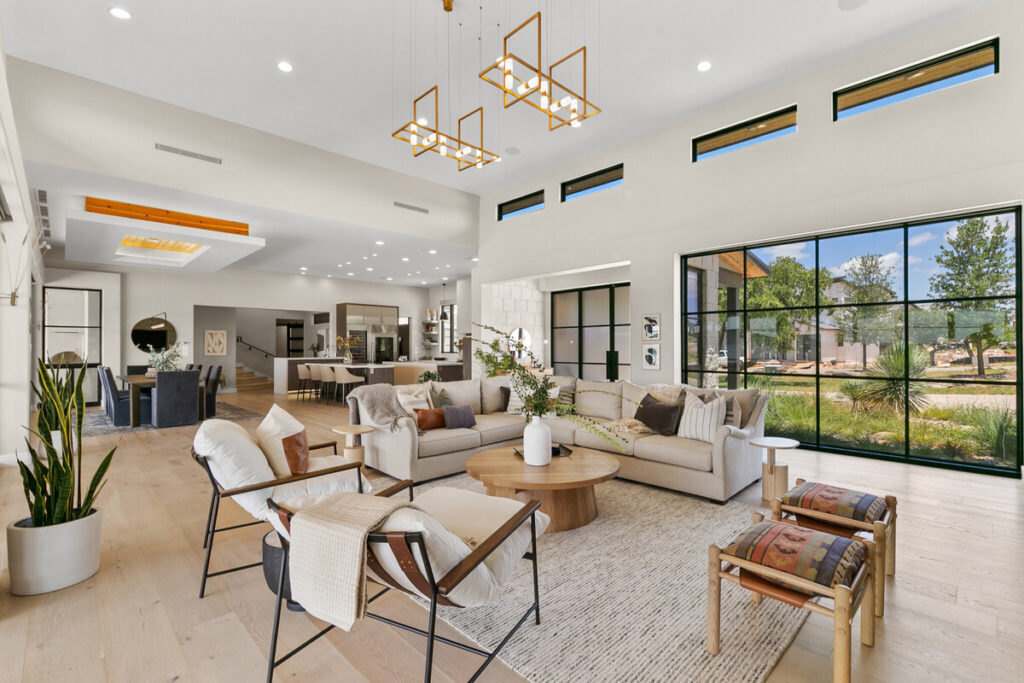
Big living rooms need flexible seating, but adding more chairs everywhere can quickly clutter the space. Stools are the quiet fix. They tuck under console tables, slide beside the sofa, and pop out the moment extra guests show up. No commitment, no bulk, just seating that appears when needed and disappears when it’s not.
Look for stools with a bit of personality. A round pouf in soft leather, a carved wood stool with visible grain, or a woven rattan piece all add texture without shouting. The reason stools work so well in large rooms is that they double as side tables when nobody’s sitting on them. Set a coffee cup and a book on top, and the stool earns its keep every day of the week. Scatter two or three around the room for the best effect.
Perfect for hosts, families with unpredictable guest counts, and anyone who loves furniture that pulls double duty.
15. Go Big with Your Décor

Small décor in a big living room disappears fast. A little vase on a huge coffee table, a tiny plant on a wide console, and suddenly nothing looks quite right. Going big with décor solves that instantly. Oversized pieces match the scale of the room and give the space the presence it deserves.
Think tall floor vases with dramatic branches, chunky ceramic bowls on the coffee table, and sculptural table lamps that actually make a statement. A large potted fiddle leaf or olive tree in the corner works wonders too, because it fills vertical space that would otherwise sit empty. The rule of thumb is simple: pick fewer pieces, but make each one count. Three big statement objects always beat fifteen small ones fighting for attention on the same surface.
Great for maximalists, sculpture lovers, or anyone who wants their living room to feel curated rather than crowded.
16. Utilize the Ceiling
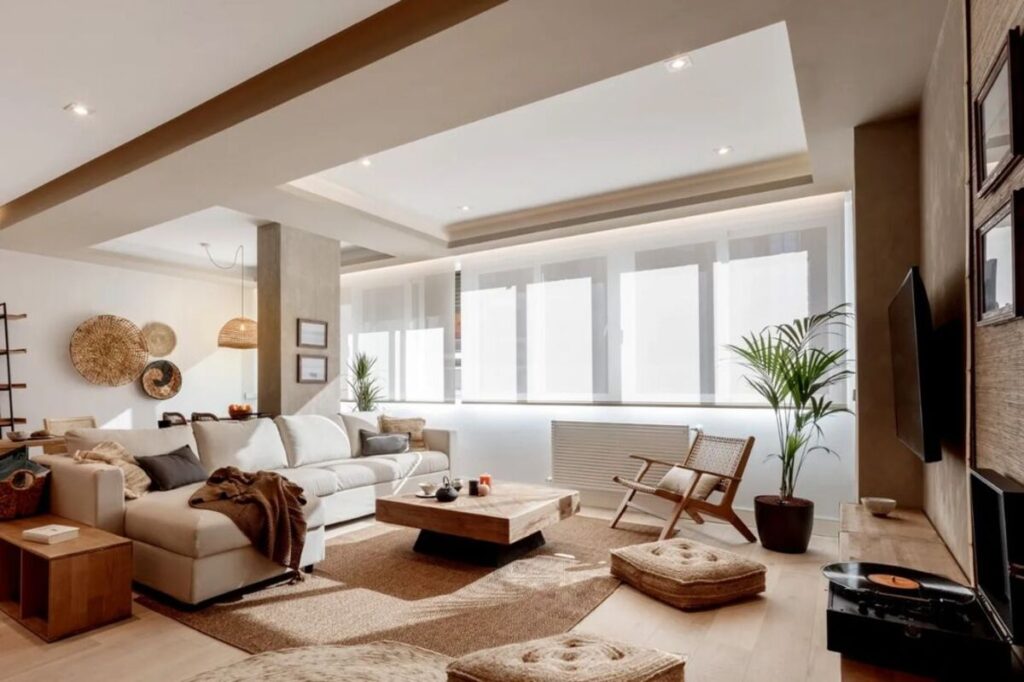
Ceilings in big living rooms are often the most ignored surface in the whole house. That’s a shame, because a ceiling done right can transform a room faster than any furniture swap. It’s the fifth wall, and treating it that way instantly adds depth and character.
Try painting the ceiling a soft warm color like blush, sage, or muted terracotta to bring the height down and make the room feel cozier. Wood plank ceilings add rustic warmth, while a coffered ceiling adds architectural detail that feels quietly luxurious. Wallpaper is another underrated move up there, especially something with a soft botanical or subtle geometric pattern. The reason ceiling treatments work so well in big rooms is that they finish the space. Suddenly the room feels wrapped up instead of just built.
Ideal for anyone with tall ceilings, design lovers who want to try something bold, and rooms that need a little something extra without touching the walls.
💡 Suggestion: If painting the whole ceiling feels intimidating, start with just the tray or recessed portion in a bold color. It gives you that unexpected pop of interest without committing the entire ceiling to a new shade.
17. Opt for a White Palette
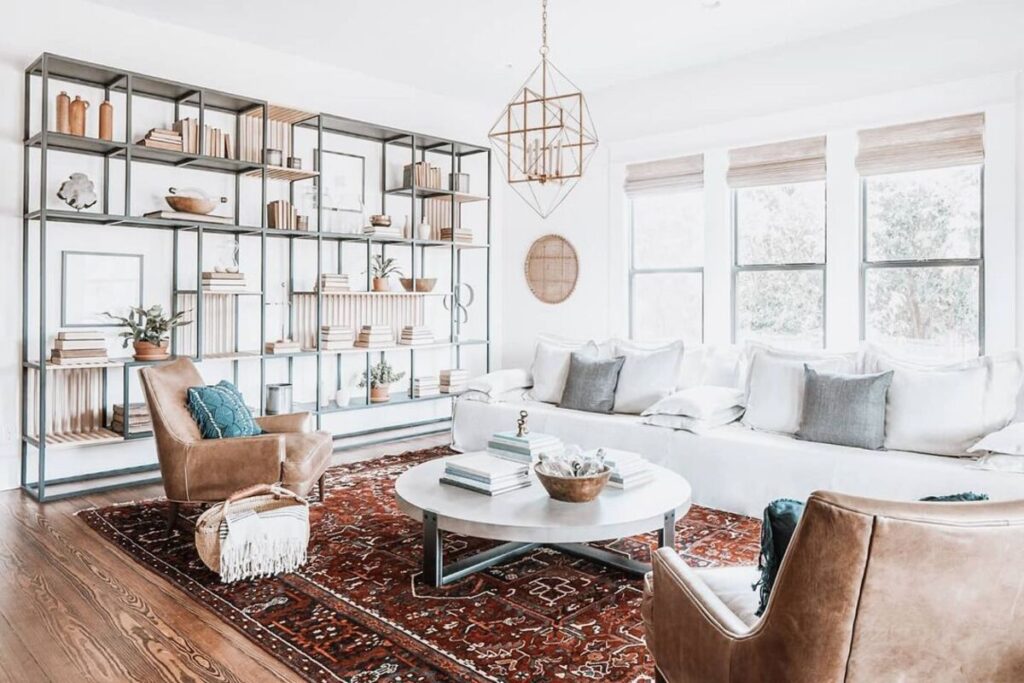
An all-white living room in a big space sounds risky until you actually see one. Done well, it feels bright, airy, and endlessly calm, like walking into a fresh gallery. White reflects natural light beautifully, which makes a large room feel even more open and full of quiet drama.
The secret is layering different whites and textures so the room doesn’t feel sterile. Try a warm white on the walls, creamy slipcovered furniture, and crisp white curtains, then break it up with a jute rug, a wood coffee table, and some greenery. These simple life hacks that actually work come in handy for keeping a white space looking fresh without constant fuss. Add one dark accent, like a black floor lamp or a moody piece of art, to give the eye a place to rest. That single contrast is what keeps the whole room from floating away.
Perfect for coastal homes, sunlit spaces, and anyone who craves a room that feels like a deep breath.
18. Go for Vaulted Ceilings

Flat ceilings in a big living room can feel like a missed chance. Vaulted ceilings change everything. They add drama, pull the eye upward, and turn an ordinary room into something that feels almost cathedral-like. It’s the kind of architectural move that guests notice the second they walk in.
If you’re building or renovating, opening up the ceiling to expose the roof pitch is worth every conversation with your contractor. Add wood cladding along the vault for warmth, or keep it clean white for a modern feel. A statement pendant hanging from the peak instantly gives the height purpose. The reason vaulted ceilings work so well in large rooms is that they make the space feel intentional. Instead of just being big, the room feels grand, breezy, and full of air.
Ideal for new builds, dramatic renovations, or anyone lucky enough to have that unfinished attic just begging to be opened up.
19. Tie it In
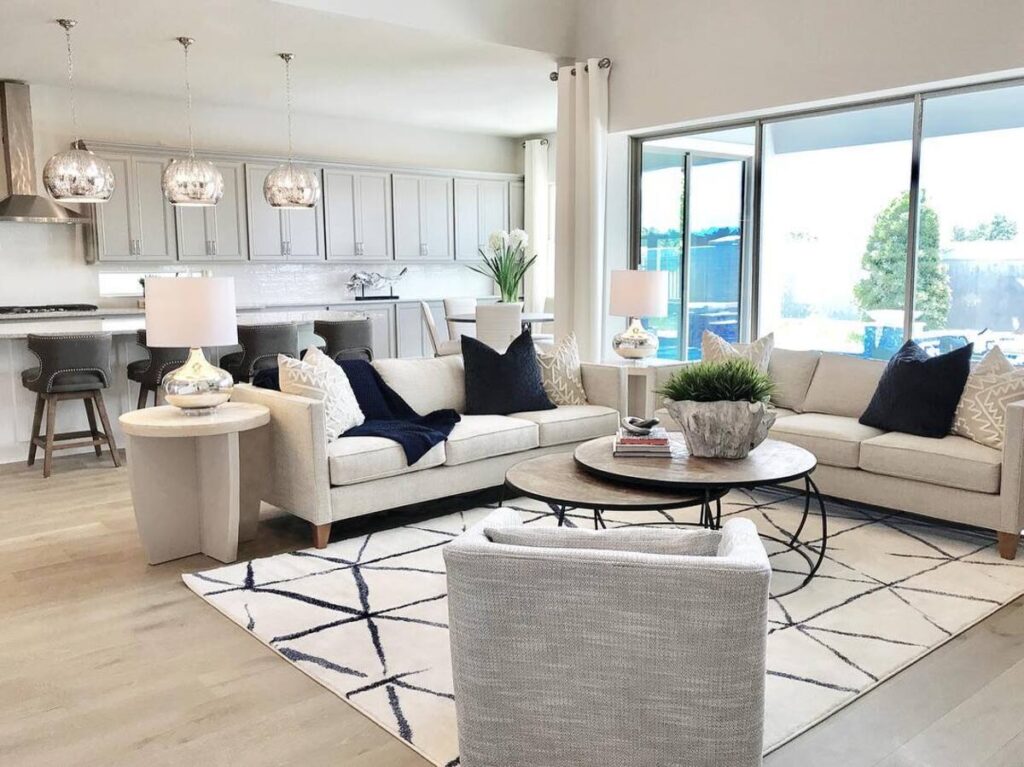
A big living room can easily start to feel like several rooms squeezed into one, especially when different zones or design ideas don’t quite talk to each other. Tying it all in is what turns a collection of pieces into an actual room. The goal is repetition, not matching. Small echoes of color, material, or shape throughout the space.
If your sofa is navy, sprinkle navy again in a throw pillow across the room or a small vase on the shelf. Wood tones should repeat too, so a walnut coffee table finds its match in a walnut picture frame or side table. Even shapes count, like round mirrors echoing a round rug or curved chairs. These little visual rhymes make the eye feel at ease, because everything looks like it belongs to the same story instead of a random assortment.
Perfect for anyone whose room feels close but not quite pulled together, or design lovers who want that magazine-cover cohesion.
20. Use Your Trim
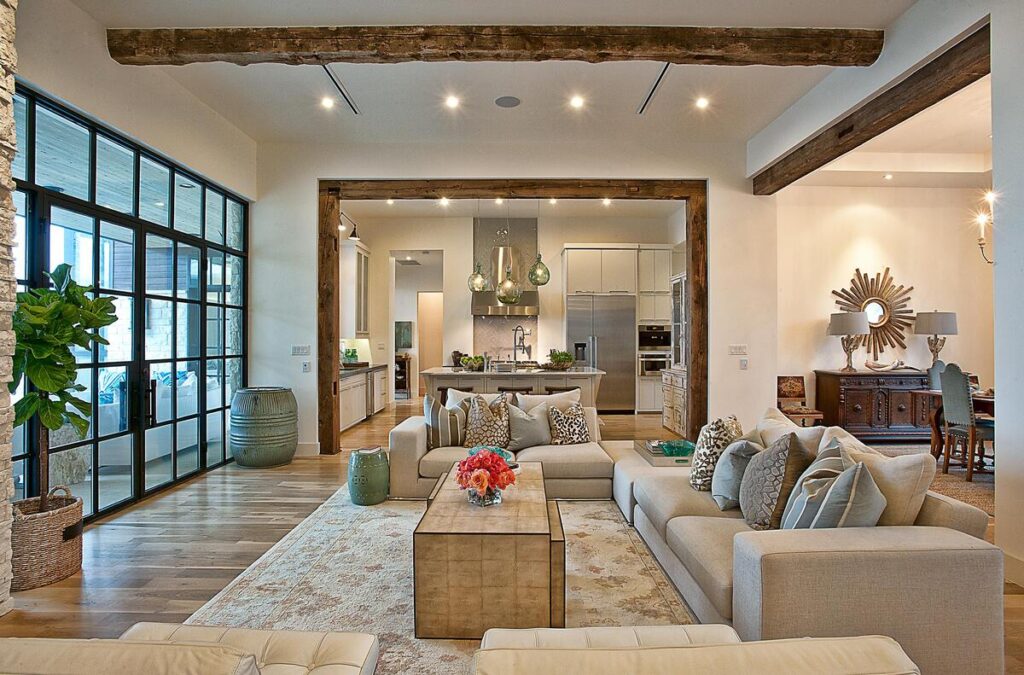
Trim is one of those design details that most people barely notice, which is exactly why it’s such a powerful move in a big living room. Baseboards, crown molding, and window casings frame the whole space, and treating them with intention can quietly elevate the entire room without any furniture changes at all.
Try painting your trim the same color as the wall for a soft, seamless look that makes ceilings feel taller. Or go the opposite direction and paint it a rich contrasting color, like deep charcoal against creamy walls, for a bold architectural moment. Extra tall baseboards, around six to eight inches high, instantly make a room feel more upscale. Chunky crown molding does the same thing up top. The magic is in the proportions, because generous trim just reads as expensive to the eye.
Ideal for older homes with existing character, new builds that need a little soul, or anyone who loves details that whisper instead of shout.
21. Allow Natural Light In
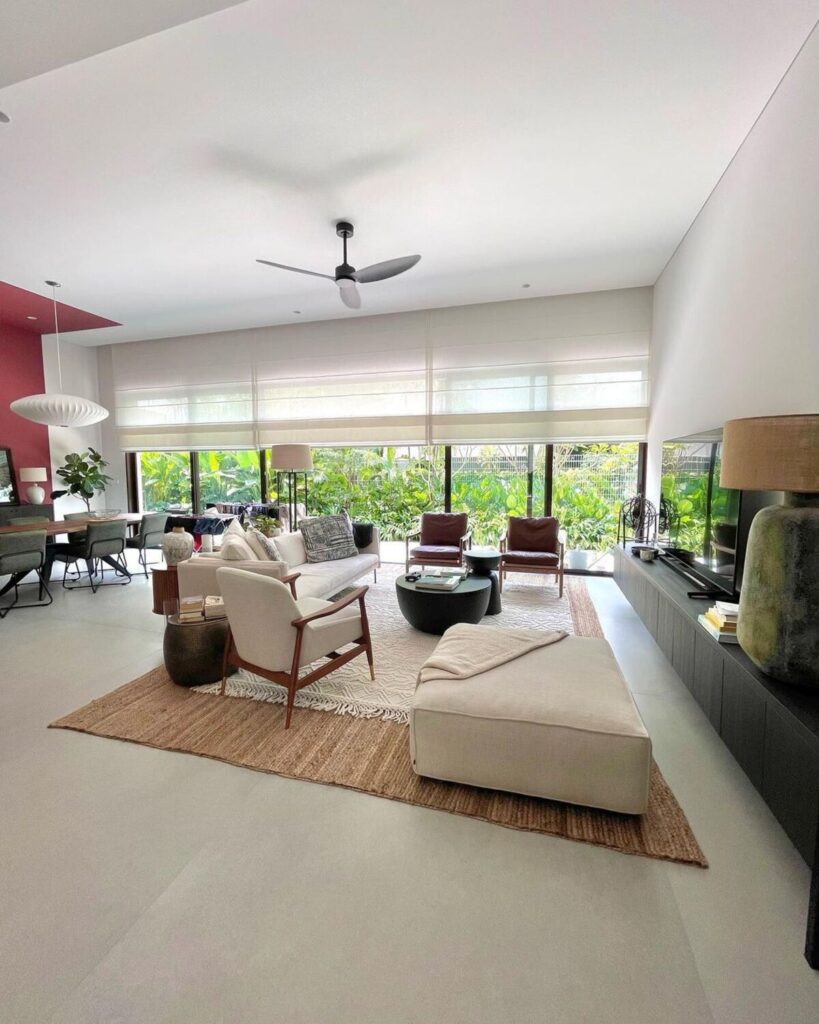
Big living rooms need light to feel their best. Without enough of it, all that square footage starts to feel heavy and cavernous, no matter how nice the furniture is. Letting natural light pour in is the fastest way to make a large room feel alive, warm, and welcoming from morning to evening.
Start by ditching heavy blinds or dark curtains that block the windows. Swap them for sheer linen panels or leave the windows completely bare if privacy allows. Mirrors placed across from windows double the light instantly, bouncing it deeper into the room. Keep furniture low near the windows so nothing blocks the flow, and consider light-colored floors and walls that reflect sunlight instead of absorbing it. Even the smallest window can work harder with the right setup around it.
Great for morning coffee spots, indoor plant lovers, and anyone who believes a sunlit room is worth ten of anything else.
22. Add Built-In Shelves
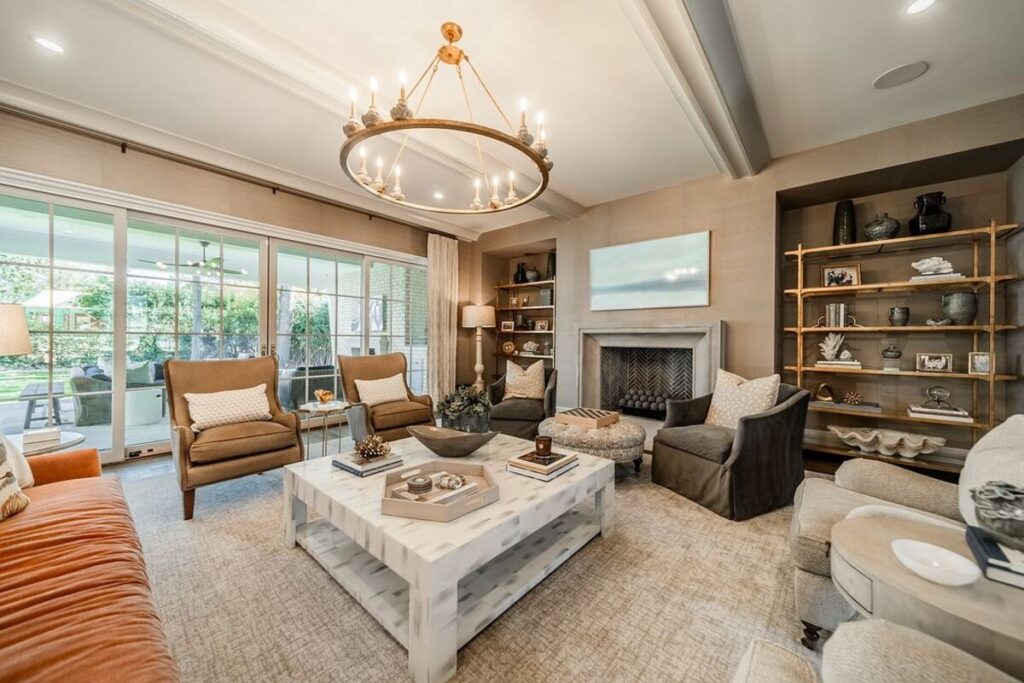
Built-in shelves are the finishing move for a big living room. Standalone bookcases can look small and lonely against a huge wall, but built-ins stretch floor to ceiling and instantly turn empty space into something purposeful. They also add serious storage without eating into the room’s footprint.
Frame them around a fireplace, run them along a whole wall, or tuck them into an awkward alcove that never quite worked. The styling is half the fun. Mix books laid flat with books standing up, add a few sculptural objects, some ceramics, and a plant or two. Leave breathing room on each shelf so the display feels curated instead of stuffed. Painting the back of the shelves a soft contrasting color makes each object pop even more, which turns the whole wall into a slow, quiet piece of art.
Perfect for book lovers, collectors, and anyone who wants their living room to feel finished from every angle.
Frequently Asked Questions
1. How do I make a large living room feel cozy instead of empty?
The trick is layering. Add a big rug that anchors the seating area, use oversized furniture that matches the room’s scale, and break the space into smaller zones with multiple seating arrangements. Soft lighting from table lamps and floor lamps also warms things up way more than a single overhead light ever could.
2. What’s the best furniture layout for a big living room?
Float the furniture away from the walls and pull it toward the center. Pushing everything against the walls makes the middle feel like an empty hallway. Instead, create conversation clusters around a rug, with the sofa and chairs facing each other. Leave enough space to walk around comfortably without bumping into anything.
3. Should I use one big rug or multiple smaller rugs?
Both work, but it depends on your layout. One large rug creates a unified look and anchors the main seating area beautifully. Multiple rugs are better if you’re dividing the room into zones, like a reading nook and a TV area. Just make sure the rugs relate to each other in color or texture so the room still feels cohesive.
4. What color palette works best for large living rooms?
Neutral palettes with soft whites, warm beiges, and gentle taupes almost always feel great in big spaces. They let the room breathe without feeling overwhelming. If you love color, use it in accents like pillows, art, and vases rather than on every wall. That way you get personality without losing the calm.
5. How do I fill a huge wall in my living room?
Go big or go layered. One oversized piece of art usually looks best above a large sofa, ideally about two-thirds the sofa’s width. If you prefer variety, try a gallery wall with mixed frame sizes, or install floor-to-ceiling built-in shelves. Wall paneling and stone accents also work beautifully when you want texture instead of art.
6. How do I choose the right size sectional for a large living room?
Measure your seating area first and aim for a sectional that fills about two-thirds of that space. Anything smaller will look lost, and anything bigger will crowd the walkways. L-shaped sectionals work well in open corners, while U-shaped ones are perfect for creating a cozy movie-night zone. Always leave at least three feet of walking space around the sectional so the room still feels breathable.
7. What lighting works best in a large living room?
Layered lighting is the answer. One big overhead fixture is never enough for a large room, so mix in floor lamps beside the sofa, table lamps on side tables, and maybe a pair of sconces near the fireplace or artwork. Dimmers on every light source are a game-changer too, letting you shift from bright afternoon reading to soft evening ambiance in seconds.
Conclusion
Big living rooms have so much potential once you stop treating the size like a problem and start seeing it as a canvas. Whether you go bold with a stone accent wall, keep things calm with a neutral palette, or fill the space with oversized art and layered lighting, the goal is always the same. Make the room feel like somewhere you actually want to spend time.
Pick the ideas that speak to you, mix a few together, and don’t feel like you have to do everything at once. The best living rooms come together slowly, one good decision at a time. Start with one change this weekend, and watch how quickly the whole room begins to feel like home.