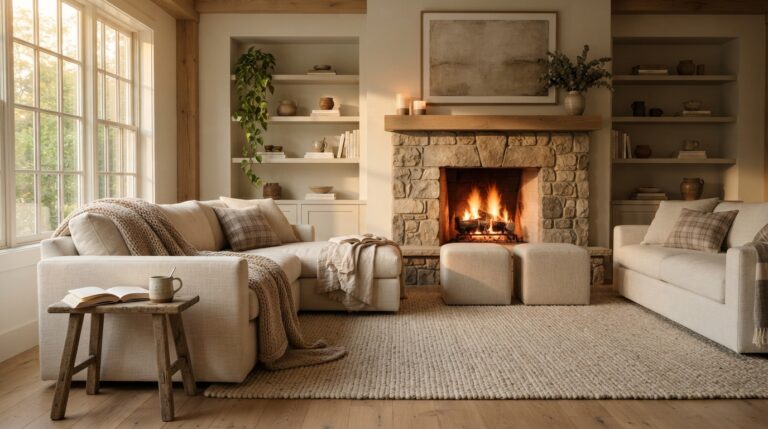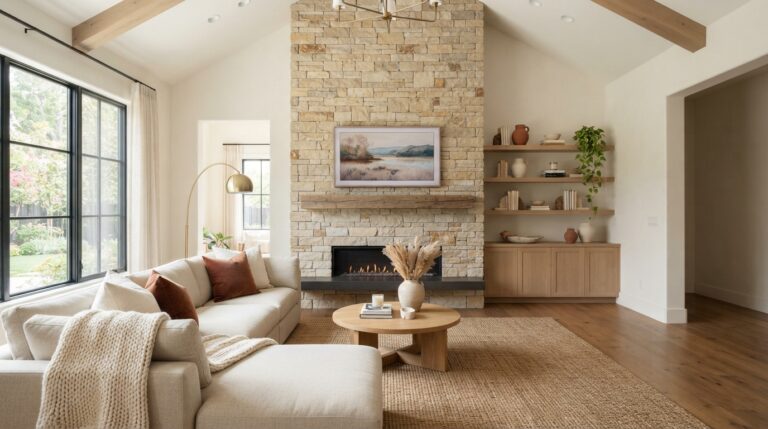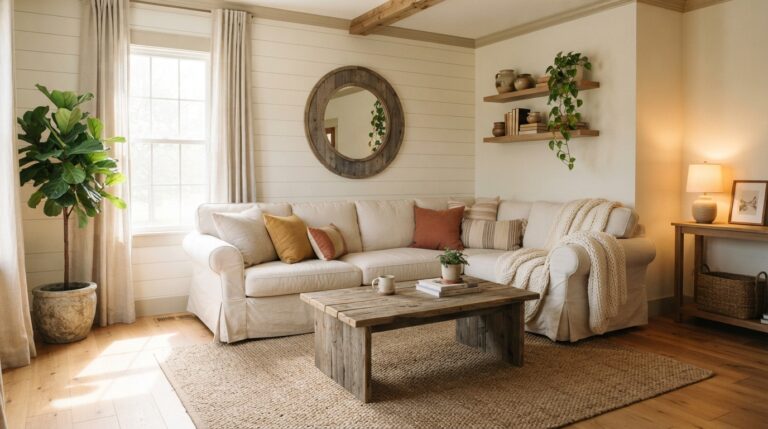
20 Living Room Decor Ideas That Actually Feel Like Home
Living rooms carry more weight than any other space in a house. It’s where mornings start, where guests get parked, where the TV gets watched and the laundry sometimes gets folded. So when it feels off, the whole house feels off.
The good news is that most living room problems come down to a few fixable things. Bad lighting. Awkward layouts. Too much matching furniture and not enough texture. None of that requires knocking down walls or blowing a savings account.
The 20 ideas ahead cover a wide range of moods and setups. Dark rooms that need brightening. Narrow spaces that need dividing. Neutral rooms that need a little personality, and busy rooms that need calming down. Some lean minimalist and industrial, others go soft with linen, pink glass, and layered white walls.
Each one explains not just what to put in the room, but why the combination actually works once people start living in it. Pick the ones that match the space, skip the rest, and let the room grow into something that finally feels right.
1. Brighten Up a Dark Living Room with Lamps and Mirrors

Some living rooms just don’t get good light, and no amount of paint fixes that. The real solution is a mix of soft lamp light spread around the room plus mirrors that bounce whatever daylight does come in. Three or four small light sources always beat one bright overhead fixture.
Set a tall floor lamp behind the sofa, a table lamp on the console, and a small one by the reading chair. Warm bulbs matter here, because cool white light in a dark room reads cold and slightly clinical. Then hang a large mirror across from the window so it catches the light and doubles it. That gloomy 4 p.m. slump in winter suddenly feels a lot less heavy.
2. Utilize Space in a Narrow Room with Separate Seating Areas

Long narrow rooms trick people into shoving everything flat against the walls, which only makes the space read like a hallway that happens to have a sofa in it. Splitting the length into two zones fixes that fast. One end holds the main sitting area with the sofa facing the TV. The far end gets a pair of chairs and a small table between them.
The gap between the two groupings is what does the real work. A rug under each one tells the eye exactly where one zone ends and the next picks up, so the room stops feeling like a single stretched out tunnel.
3. Embrace Cultural Roots and Natural Elements for Rare Decor
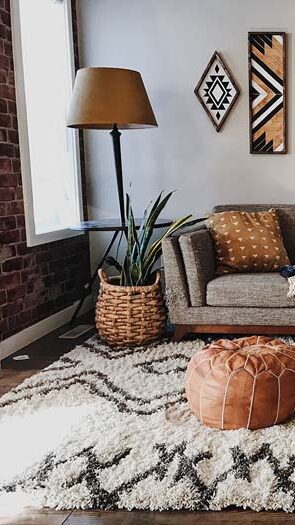
The rooms that stop people mid conversation are almost never the ones filled with matching store sets. They’re the ones holding a hand woven basket from a grandmother’s village, a carved wooden bowl, a length of block printed fabric thrown over the chair back. Pieces with a history behind them.
Mix those in with raw natural materials so nothing feels like a museum display. Jute underfoot, clay pots on the shelf, a few dried stems in a tall vessel. The rougher textures let the special pieces breathe instead of competing with them.
What makes this work is that handmade objects carry small irregularities, and the eye finds those far more interesting than machine perfect edges. Guests ask where things came from, and there’s always a story ready.
4. Maximize Space with an L-Shaped Sofa
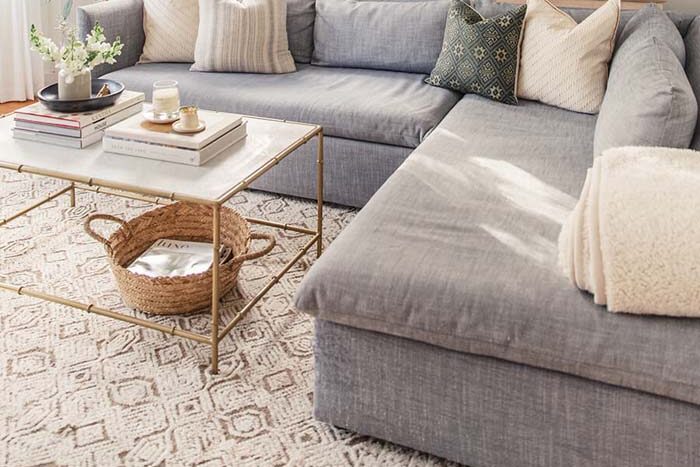
An L-shaped sofa earns its footprint in a way separate chairs never quite manage. Tucked into a corner, it seats five without eating the middle of the room, and it uses the one part of a living room most people waste completely.
The long side works as a stretched out spot for one person on a slow Sunday. The short side handles guests. Nobody has to drag furniture around when three extra people show up unannounced.
Keep the rest light to balance the visual weight. A slim coffee table, one open backed chair, nothing bulky crowding the arms. Push the sofa fully into the corner rather than floating it awkwardly a few inches out, and the walkway suddenly opens up.
Turns out the corner was the most useful part of the room all along.
5. Seasonal Room Decor with Neutral Base and Accessories
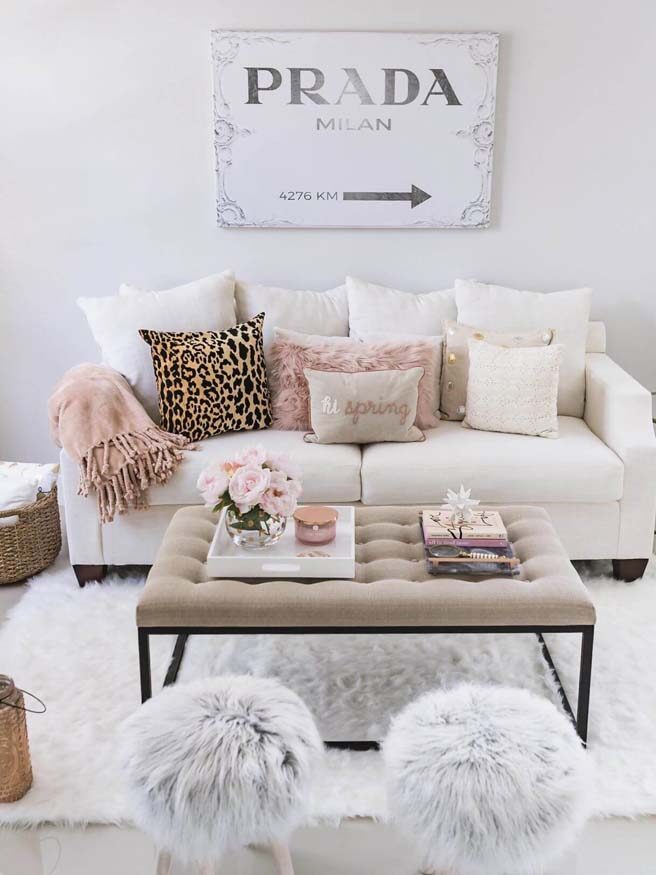
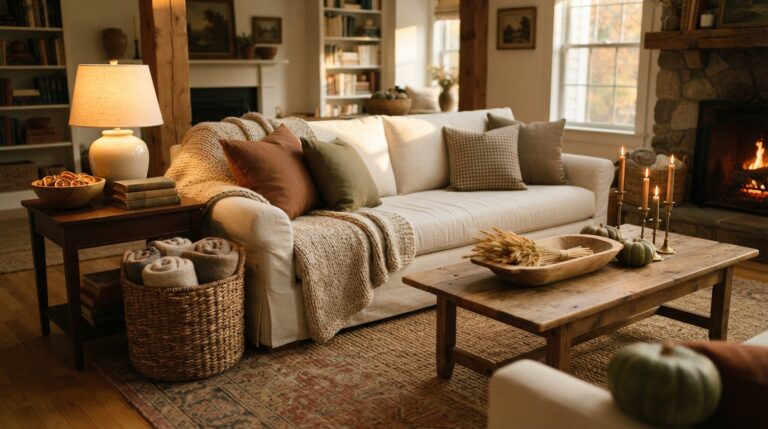
Redecorating four times a year sounds exhausting until the base does most of the work for you. Keep the big pieces neutral. Oatmeal sofa, pale rug, cream curtains. Then let cushion covers, throws, and a few small objects carry the season.
Autumn brings in rust and mustard textiles with dried grasses on the table. Winter shifts to heavier knits and deeper greens. Spring goes airy with pale linen and fresh stems, and summer strips things back to white cotton and a bowl of lemons.
The reason this holds up is simple. Small textiles are cheap to store and easy to swap, so nobody is repainting walls or shopping for a new sofa in October.
Twenty minutes of swapping, and the room feels like a different season entirely
💡 Pro Tip: Store each season’s textiles in one labeled bag or bin, folded and ready to go. When the changeover comes, everything sits in one place instead of scattered across three closets, and the whole swap wraps up in a single afternoon.
6. Add Modern Flair to Your Home with Log Tables
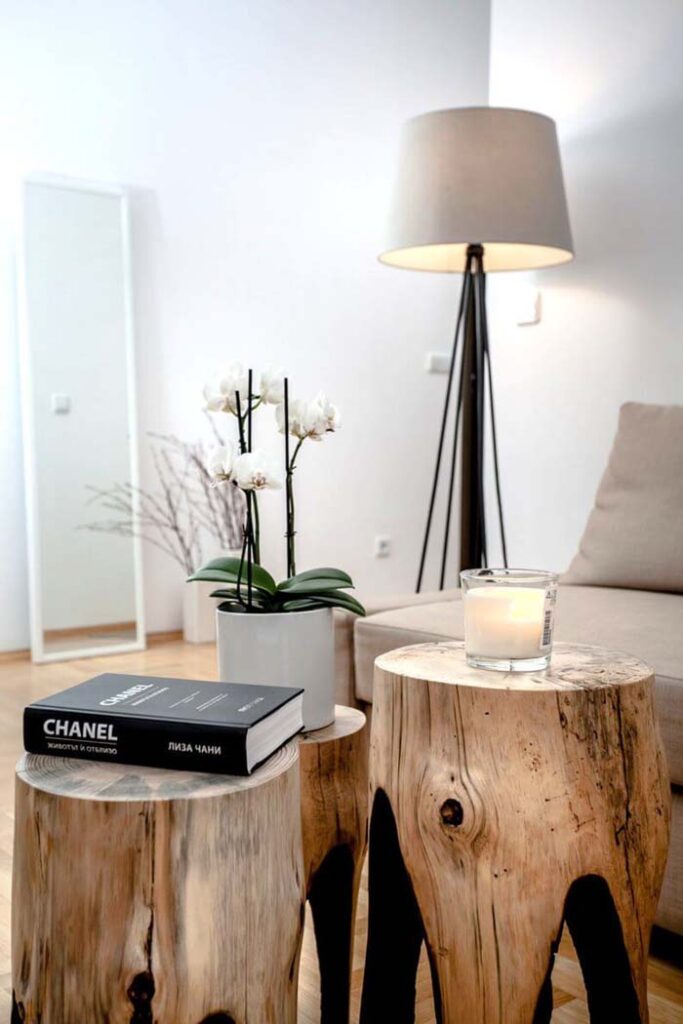
A solid log used as a side table sounds rustic until it lands in a modern room, and then something interesting happens. All that raw bark and visible grain reads sculptural next to clean lines and flat surfaces. The contrast is what sells it.
Use one beside the sofa for a mug and a book, or set two together as a low table in front of the seating. Sand the top smooth so glasses actually sit level, but leave the sides rough. That’s the whole point.
Because everything else in a modern room is engineered and precise, one honest chunk of wood becomes the thing people reach out and touch without thinking. Warmth arrives without a single soft cushion involved.
7. Feminine Space with Shades of Pink and Mercury Glass DIY
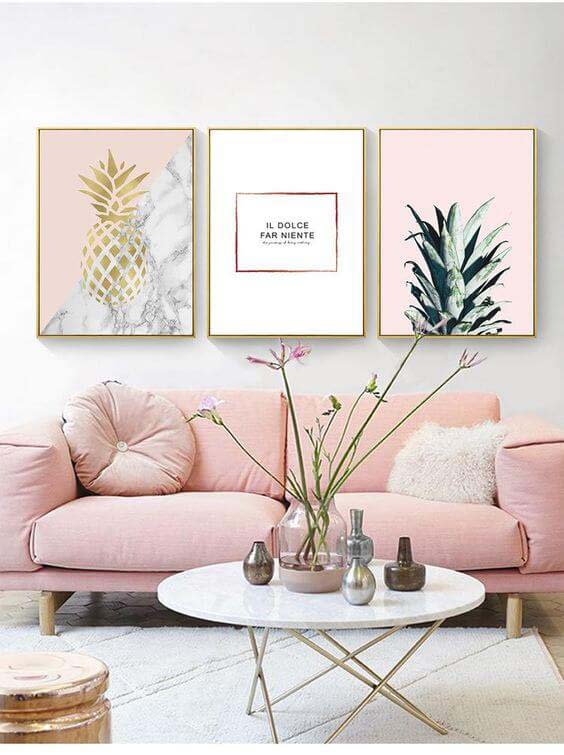
Pink gets dismissed as too much, usually because people pick one loud shade and stop there. Layering three or four instead changes everything. Dusty rose on the cushions, blush in the curtains, a deeper mauve throw, maybe one clay pink vase holding it together.
Mercury glass is the piece that lifts it. Old jars sprayed with looking glass paint from the inside, then dabbed with water while wet, come out spotted and antique looking. Cluster a few with tea lights inside.
The mottled silver keeps all that pink from turning sweet, because the finish reads vintage rather than pretty. Late evening, when the candles are lit and the glass throws speckled light across the wall, that room feels genuinely lovely to sit in.
8. Create a Cohesive Look with White and Pink Accessories
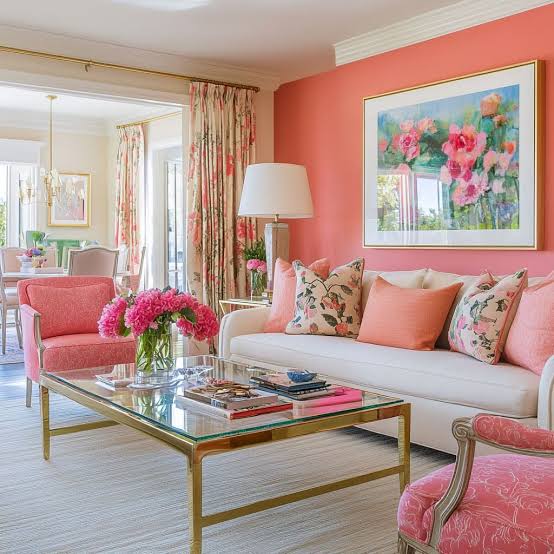
Pulling a room together doesn’t take a full redesign. It takes repetition. Pick white and pink, then let those two colors show up in at least four spots around the space so the eye keeps finding them.
White in the ceramic vase, the picture frames, a chunky knit throw. Pink in two cushions, a stack of books, one bunch of flowers. Nothing has to match exactly, and honestly it shouldn’t. Slight differences in shade look intentional rather than bought as a set.
The trick works because scattered repetition tells the brain everything belongs, even when the pieces came from completely different places over several years. A room can hold a hand me down chair and a new lamp and still read as one thought.
Small things, quietly doing the heavy lifting.
✨ Suggestion: Move the pink pieces around every few weeks rather than leaving them in fixed spots. Shifting a cushion to the armchair or relocating the flowers to a side table keeps the room feeling alive without spending anything.
9. Efficient Corner Entertainment Area with Storage and Style
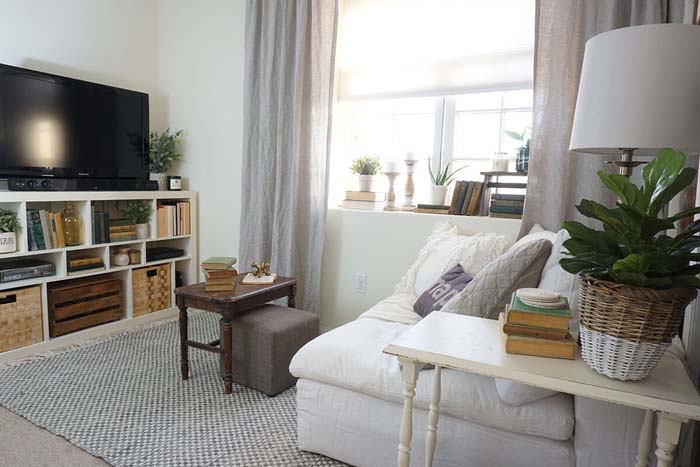
Corners collect junk when nobody gives them a job. Turn one into the entertainment zone instead. A low media unit angled across the corner holds the TV, and everything underneath swallows the mess that usually ends up on the floor.
Closed doors on the bottom hide the remotes, controllers, and that tangle of cables nobody wants to look at. Open shelves above take the nicer stuff. A few books laid flat, one plant, a small framed photo.
This setup works because closed and open storage handle two different problems at once. Clutter disappears, but the unit still looks like furniture rather than a plastic box holding electronics.
Cleaning up before guests arrive becomes a thirty second job instead of a scramble.
10. Black and White Living Room with Nature Accents

Black and white on its own can drift toward cold, especially in a room with hard floors and not much fabric. Nature pulls it back. A big leafy plant in the corner, a wooden bowl on the table, one woven basket holding blankets.
Keep the base graphic and confident. White walls, black frames, a striped rug, charcoal cushions. Then let the green and the raw wood interrupt all that sharpness in three or four places.
Why it lands is straightforward. High contrast gives the room structure, and living things give it a pulse. Without the plants, the space photographs beautifully but feels like a showroom nobody actually uses.
Watering that plant on a quiet Saturday morning turns into a small ritual worth keeping.
11. Let Your Art Take Center Stage in a Neutral Living Room
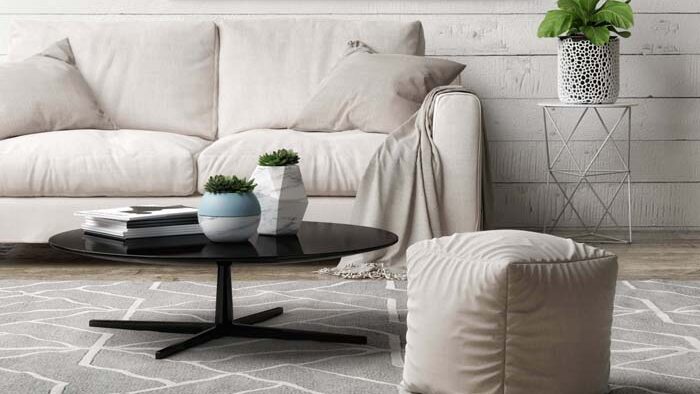
A piece of art loses its power when it has to compete with patterned wallpaper, a busy rug, and six colored cushions. Strip the room back and that same piece suddenly commands attention. Neutral walls, quiet furniture, almost nothing else asking to be looked at.
Hang one large work above the sofa rather than a scattered gallery wall. Keep the frame simple. Let the space around it stay empty on purpose, because that emptiness is what frames the piece as clearly as the wood does.
The reasoning here comes down to visual hierarchy. When only one thing carries color and movement, the eye goes straight to it and stays there a while.
People walking in stop and actually look, instead of scanning past everything at once.
💡 Pro Tip: Hang the center of the artwork at roughly eye level, and leave about eight to ten inches of breathing room between the frame’s bottom edge and the sofa back. Anything higher starts to float away from the furniture.
12. Vintage Reading Nook with a Cozy Fireplace Ambiance

Reading nooks fail when they’re built for looks instead of actual sitting. Start with a chair that holds up for an hour. A worn leather armchair, a wingback with faded upholstery, something with a bit of age in it already.
Set it near the fireplace at an angle rather than facing it straight on. Add a small side table for a mug, a floor lamp tilted over the shoulder, and a footstool that doesn’t match anything. Old hardcovers stacked underneath the table finish it.
The vintage pieces matter more than they seem to. Furniture that already carries scuffs and softened edges invites people to relax into it, because nobody worries about ruining something already lived in.
Firelight, one lamp, a book that’s hard to put down. That corner does the rest on its own.
13. Embrace Minimalism with an Industrial Living Room
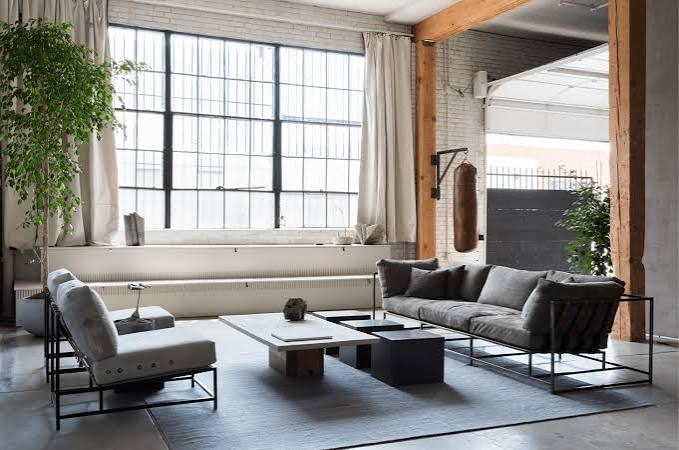
Industrial style gets heavy fast when people pile in every metal and pipe detail they can find. Pull it back to a handful of strong choices instead. One exposed brick wall or a concrete finish, black metal legs on the furniture, a caged pendant light overhead.
Then leave the rest alone. A single low sofa, one coffee table, bare floors. No gallery wall, no cushion collection, nothing filling gaps for the sake of filling them.
What makes the combination work is that raw materials already carry plenty of texture. Brick, concrete, and iron give the eye enough to read without patterns or color stepping in to help.
Rooms like this feel calmer to walk into, because there’s simply less asking for attention.
14. Create a Light and Textured Living Space with White Walls
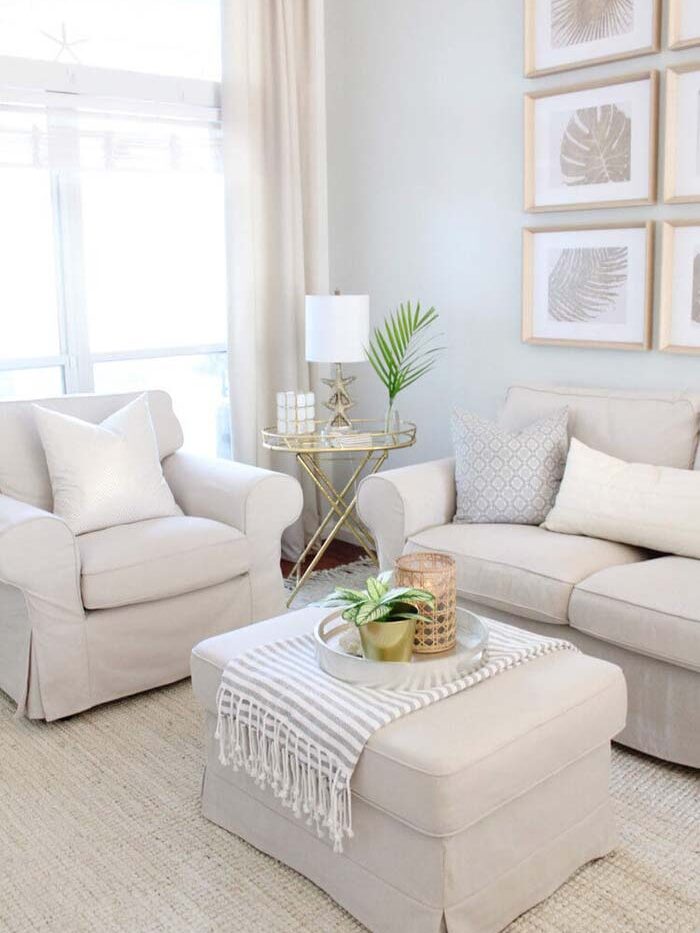
White walls open a room up, but on their own they can read flat and unfinished. Texture is what saves them. Stack it in layers instead of adding color. A chunky wool throw, a nubby linen cushion, a jute rug, one ceramic vase with a rough unglazed finish.
Keep everything in the same pale family so the room still reads bright. The variation comes from how each surface catches light rather than from contrast between shades.
That’s the whole mechanism at work. Smooth surfaces bounce light evenly while rough ones create tiny shadows, and those shadows give a white room depth that paint alone can’t produce.
Late afternoon sun moving across all that texture makes the room look completely different than it did at noon.
✨ Suggestion: Aim for at least four different materials before adding anything colorful. Wool, linen, wood, and clay together will usually solve a flat white room faster than any accent piece would.
15. Upgrade Beige Wall Decor with White and Gold Accents
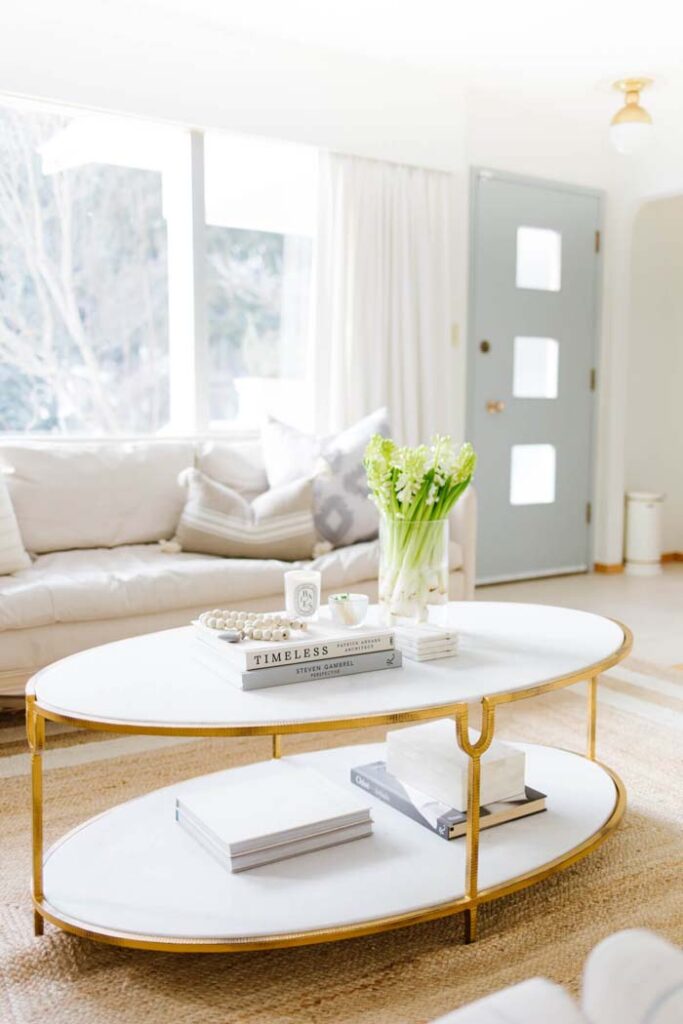
Beige walls get a bad reputation for being boring, though the color itself isn’t the problem. Most of the time nothing has been layered on top of it. White and gold fix that without repainting anything.
Hang white framed prints or a white shelf directly against the beige so the contrast reads crisp. Then bring in gold in small doses. A mirror with a thin brass frame, two candle holders, one picture frame catching light near the window.
The logic behind it holds up well. Beige is warm and quiet, white sharpens it, and gold adds the shine that neither of those two can provide alone. Three tones, all cooperating.
That wall people used to walk straight past now gets a second glance.
16. Tropical Living Room with Long Light Curtains and Plants


Tropical doesn’t have to mean palm print everything. Movement and greenery carry the whole mood on their own. Hang sheer curtains that run floor to ceiling, generous enough to pool slightly at the bottom, and let them stay closed during the brightest part of the day.
Fill the room with big leaves rather than lots of small pots. A monstera in the corner, a tall palm beside the sofa, something trailing from a high shelf.
Here’s why it works so well together. Light filtering through thin fabric softens everything it touches, and when the window is open, those curtains lift and the leaves shift at the same time.
Sitting in that room during a warm afternoon breeze feels a little like being somewhere else entirely.
17. Elevate Your Living Room with Luxurious Linen
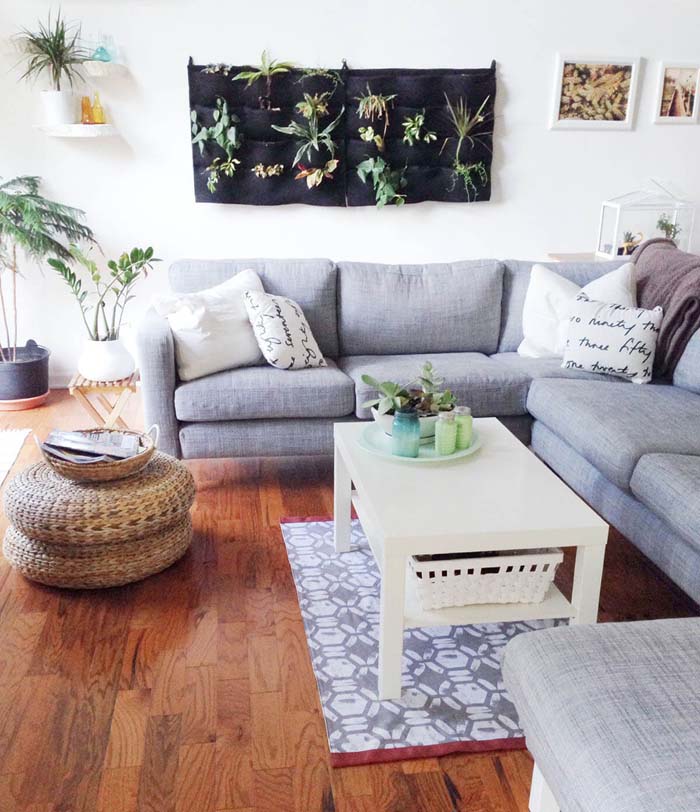
Linen looks expensive without trying to look expensive, and that’s exactly why it works in a living room. Slipcovered sofa, floor length curtains, cushion covers in the same washed weave. The whole room settles down.
Let it wrinkle. That’s the part people get wrong, ironing everything flat and losing the softness completely. Creases in linen read relaxed rather than careless, which is the entire appeal of the material.
Stick to two or three shades. Oatmeal, soft white, maybe a muted clay. Because linen already has visible slubs and irregularity in the weave, it brings enough interest on its own without loud color pushing in.
Sinking onto a linen sofa after a long day feels different than sitting on anything stiff and formal.
18. Define Separate Living Areas in a Small House with Bookshelf
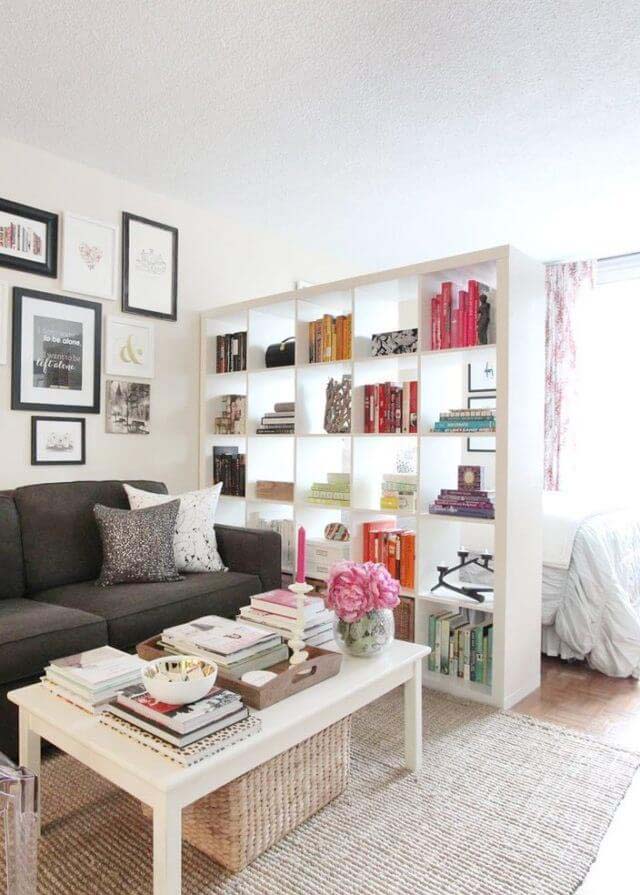
Small houses often run the living room straight into the dining space with nothing marking where one ends. An open backed bookshelf placed perpendicular to the wall solves that in an afternoon, and it doesn’t block light the way a solid divider would.
Fill it from both sides. Books and a plant facing the living room, dishes or baskets facing the other way. Leave a few gaps open so sightlines still pass through.
That partial transparency is the whole reason it succeeds. A solid wall would make both halves feel cramped, while a shelf gives the eye a boundary without closing anything off.
Someone can cook while the kids sprawl on the sofa, and both sides finally feel like their own room.
19. Set the Right Energy Tone for Your Home with Grayscale
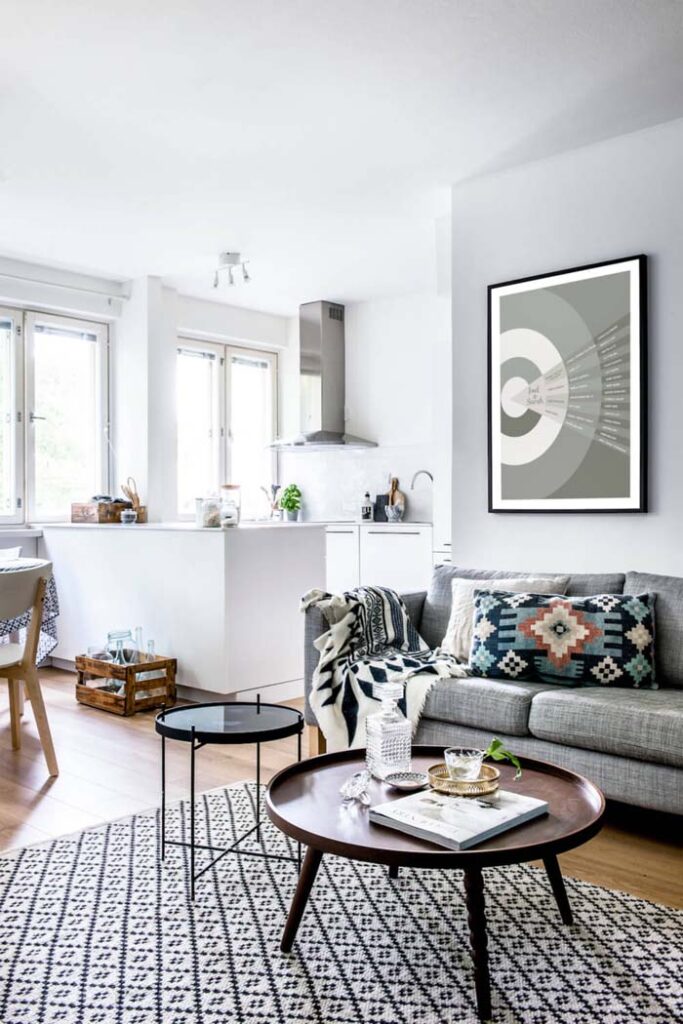
Grayscale sets a mood before anyone consciously notices it. Lean pale and the room feels open and airy. Lean dark and it turns quiet, enclosed, almost private. Same palette, two completely different energies, decided entirely by which end of the scale carries the most weight.
Pick a direction and commit. For a calm bright room, go light gray walls with a charcoal rug and black frames anchoring things down low. For something moodier, flip it. Deep gray walls with pale cushions and a light throw lifting the corners.
The reason grayscale controls atmosphere so precisely is that nothing distracts from value. Without color pulling attention, light and dark do all the emotional talking.
That shift shows up in how people behave, speaking a little softer in the darker version without ever being asked to.
💡 Pro Tip: Test grayscale plans by photographing the room in black and white first. Stripping out color reveals whether the lights and darks are balanced or whether everything is sitting in the same flat middle tone.
20. Simple Prints and Neutral Colors for Minimalist Room Decor
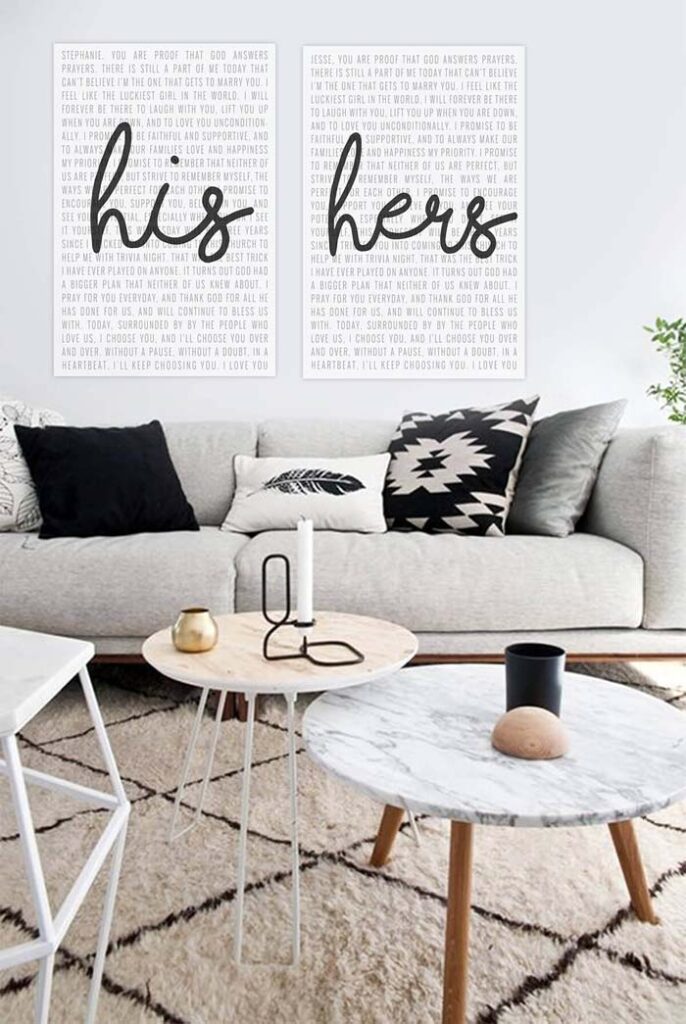
Minimalist rooms don’t have to be blank. One or two simple prints keep the space from feeling unfinished, as long as the pattern stays quiet. Thin stripes on a cushion, a small check on a throw, a single line drawing in a frame.
Hold the palette steady while doing it. Cream, sand, soft gray, warm white. When the colors barely shift, a pattern reads as texture instead of decoration, which is exactly the point.
Two prints in a room is usually enough. Three starts competing, and the calm that made minimalism appealing in the first place begins to slip away.
Rooms like this stay easy to live in for years, because there’s nothing loud enough to get tired of.
✨ Suggestion: If a print feels too strong once it’s in place, try moving it further from the window. Direct light sharpens pattern and contrast, while a shadier corner softens the same piece considerably.
You Might Also Love These Ideas
- Oral Allergy Syndrome Explained. That itchy tingle after biting into fresh fruit finally makes sense once you understand the connection.
- 35 Brilliant Lemon Hacks. Bright citrus scent, spotless surfaces, and clever tricks hiding inside one ordinary yellow fruit.
- Melt-in-Your-Mouth Cake Recipe. Soft golden crumb, warm vanilla drifting through the kitchen, and almost no effort required.
- Keep Strawberries Fresh Longer. Plump ruby berries staying firm and sweet for days instead of turning soft overnight.
Frequently Asked Questions
How do I make a small living room look bigger?
Light and sightlines do most of the work. Keep the walls pale, lift furniture off the floor with visible legs, and place a mirror where it catches whatever daylight comes through the window. Pushing the sofa fully into a corner instead of floating it a few inches out also frees up walking space that small rooms desperately need.
What is the easiest way to update a living room without spending much?
Swap the textiles. New cushion covers, a different throw, and curtains in a lighter fabric change a room more than most people expect. Adding two or three lamps also transforms the mood at night, especially if the room currently relies on one overhead fixture doing all the work.
How many colors should a living room have?
Three is usually the sweet spot. One dominant tone across the walls and larger furniture, a second for supporting pieces, and a third showing up in small doses like a vase or a stack of books. Beyond that, rooms start to feel busy rather than layered.
Do plants really make a difference in living room decor?
They do, especially in rooms built around neutrals, grayscale, or heavy contrast. Green interrupts all that flatness and gives the space a sense of life. One large leafy plant in a corner tends to have more impact than several small pots scattered around on shelves.
How do I divide a living room and dining space in an open layout?
An open backed bookshelf placed perpendicular to the wall works well because it marks a boundary without blocking light. Separate rugs under each zone help too, since the eye reads a rug edge as the end of one area and the start of the next.
What kind of lighting works best in a living room?
Layers beat brightness. Three or four smaller warm light sources spread around the room feel far better than one strong ceiling fixture. A floor lamp behind the sofa, a table lamp on a console, and something low near a reading chair covers most situations comfortably.
CONCLUSION
None of these twenty ideas require starting over. That’s the part worth holding onto. Most living rooms only need a few adjustments before they start working properly, and the fixes tend to be smaller than expected. Better lighting. One extra texture. A shelf placed where a wall used to feel necessary.
Pick two or three that match the actual room rather than the room in the photo. A narrow space needs zoning. A dark one needs lamps and mirrors. A flat white one needs wool, linen, and clay pulling it back to life.
Then live with the changes for a week before adding anything else. Rooms reveal what they still need once people start using them properly, and that feedback matters more than any plan drawn up in advance.
The best living rooms rarely look designed all at once. They look collected, adjusted, and slowly grown into. Give the space room to become that, and it will end up feeling like home rather than a showroom.