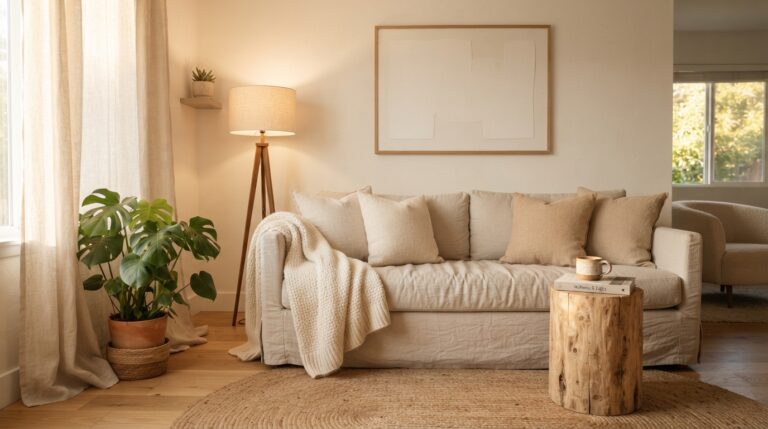
10 Simple Ways to Make Your Living Room Feel Warm and Inviting
Some living rooms just feel good the second you walk in. The light sits soft, the seating pulls you down into it, and nobody rushes to leave. That feeling isn’t luck, and it usually isn’t money either. It comes from a handful of small choices layered on top of each other until the whole room finally relaxes.
Cozy doesn’t mean cluttered, and it doesn’t mean beige everything. It means a space that works with how people actually live in it. The spot where the coffee cup always lands. The corner where the dog claims the warmest patch of floor. The chair nobody wants to give up on a rainy Saturday.
The ten ideas ahead cover the pieces that carry the most weight: clearing space, softening light, warming up walls and floors, and adding texture that makes a room feel touchable instead of staged. Some take an afternoon. Others take five minutes and a shift in thinking.
1. Get Rid of Clutter
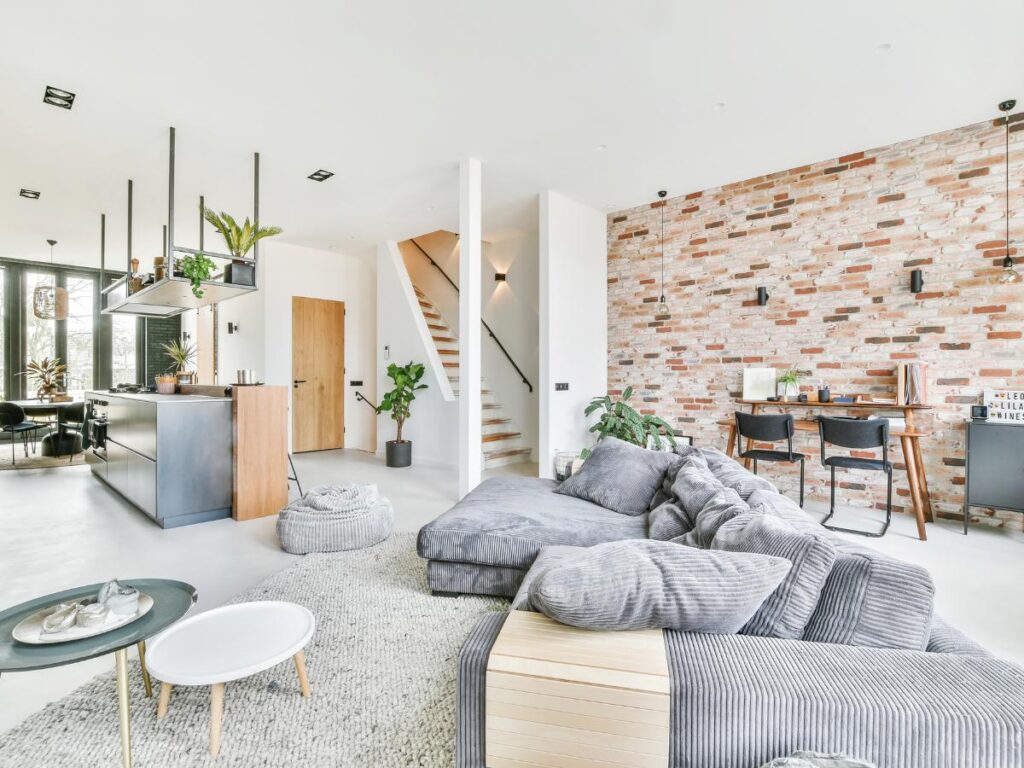
Nothing kills a cozy room faster than stuff with nowhere to go. Clearing surfaces sounds boring next to velvet pillows and warm lamps, but it’s the move that makes every other idea in this list actually land. A room can’t feel calm while the eye keeps snagging on charging cables and old mail.
Start with the coffee table and the floor, since those two carry most of the visual noise. A lidded basket by the sofa swallows blankets and remotes in seconds. Woven storage under a console hides the game controllers that somehow multiply every month. The goal isn’t a bare room, it’s leaving space around the things worth looking at.
Ten minutes of tidying before bed means walking into a room that already feels settled the next morning.
2. Bring the Outdoors In
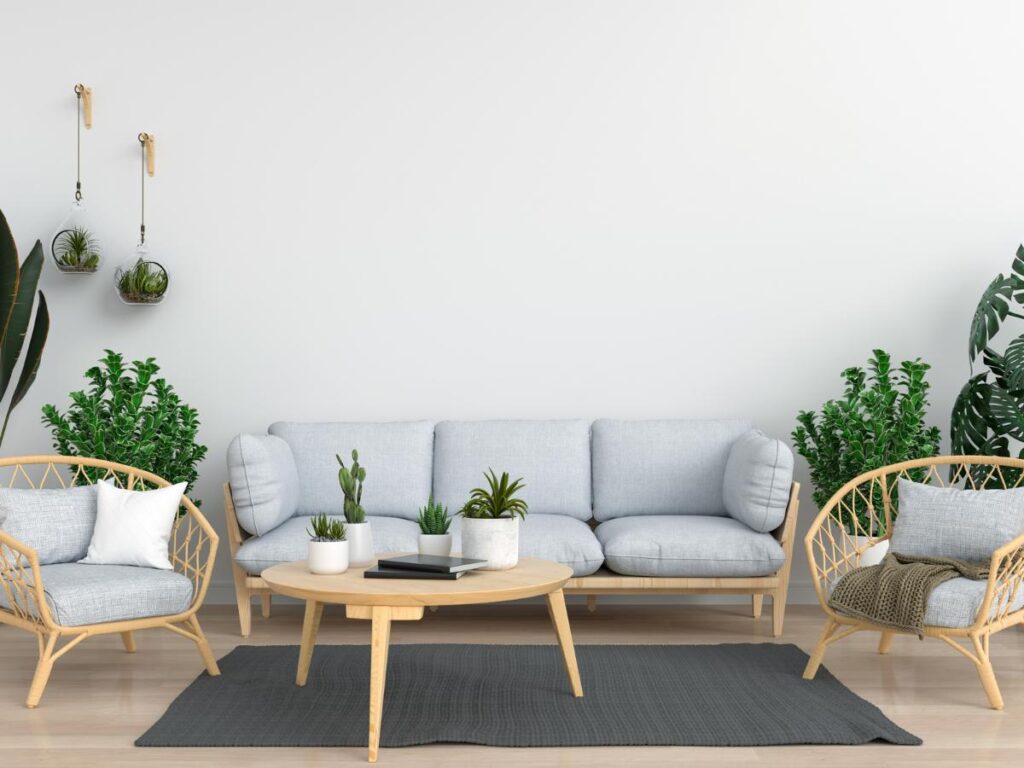
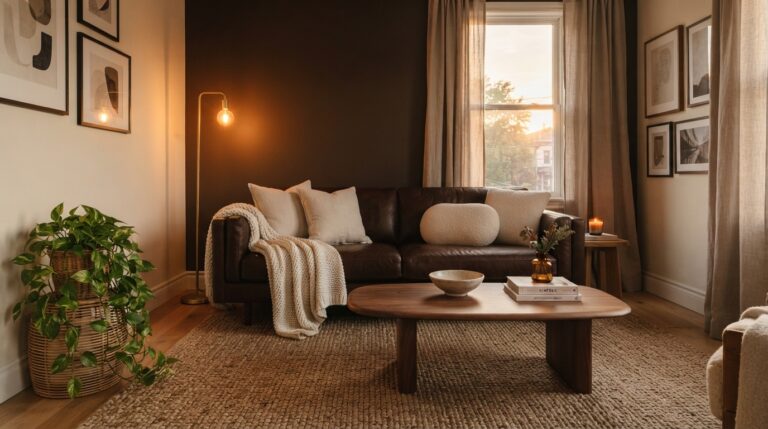
Plants do something furniture can’t. They break up straight lines, catch the light, and add a little movement whenever a window is open. A room with greenery in it reads as cared for, even when the rest of the space is simple.
Height matters more than quantity here. One tall plant in an empty corner fills dead space that a small table never quite solves, while a trailing vine on a shelf softens the hard edge of a bookcase. Group a few pots in odd numbers on the floor and the arrangement looks intentional rather than scattered.
If light is limited or watering isn’t your thing, dried branches in a floor vase or a bowl of pinecones on the table still bring that outdoor texture inside. Cut stems from the yard work too.
The room ends up feeling a little more alive, and so does the person sitting in it.
💡 Pro Tip: Set plants slightly off to the side of a window rather than directly in front of it. They still get the light they need, and the view stays open so the room keeps its brightness.
3. Use Ambient Lighting
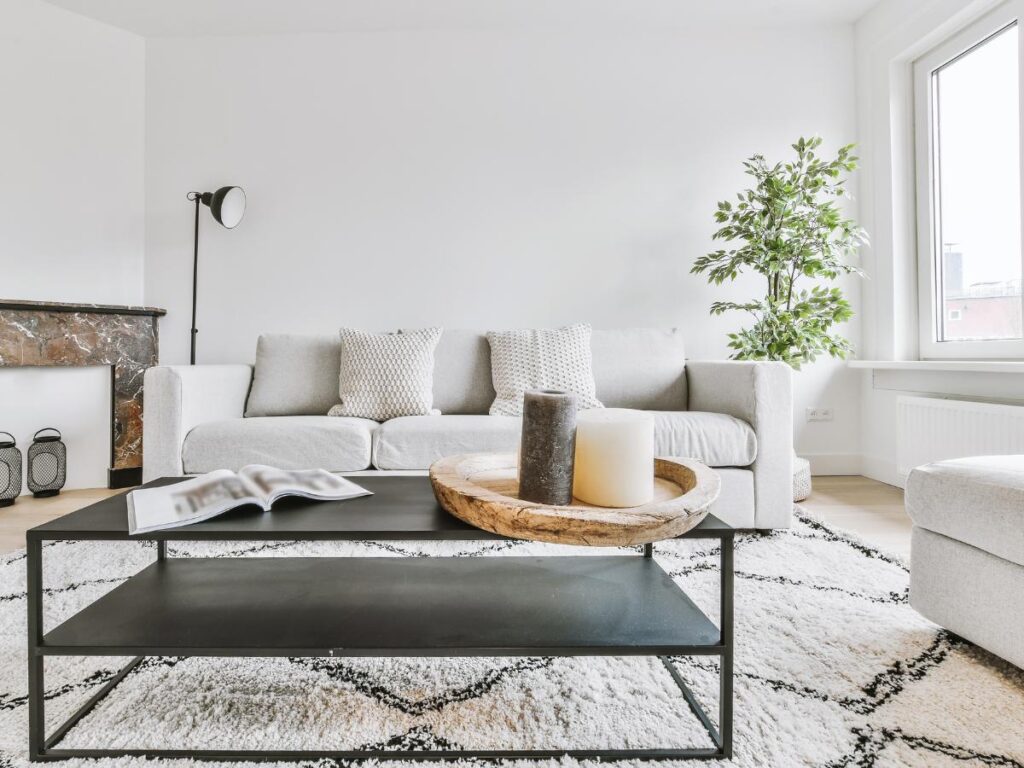
One bright ceiling light flattens a room. It puts the same harsh glare on every surface and leaves nowhere for the eye to rest, which is exactly the opposite of cozy. Warmth comes from having several smaller light sources instead of one big one overhead.
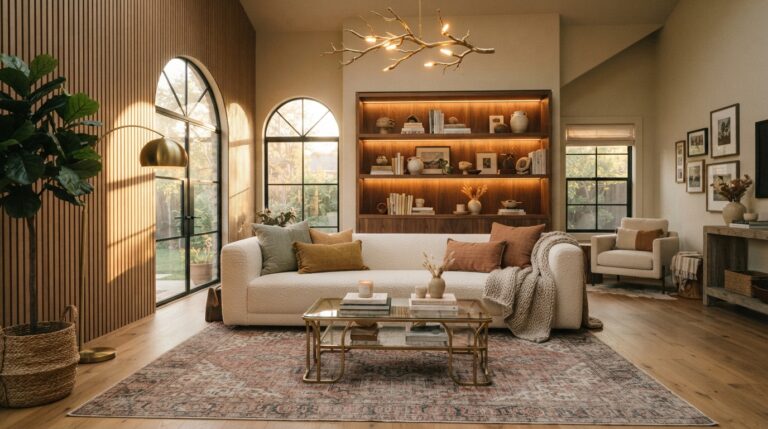
Three points of light usually do it. A table lamp beside the sofa, a floor lamp reading over the armchair, and something low like a candle or a small shaded lamp on a shelf. Each one throws its own pool of glow, and the gaps between them are what create the soft depth the room was missing.
Warm bulbs matter as much as placement. Cooler tones lean clinical, while amber ones make wood, wool, and skin all look better.
Flip on the lamps instead of the ceiling light some evening and watch how quickly the room settles down.
👉 Suggestion: Put your main lamps on a smart plug or a simple switched outlet so one press turns the whole layered setup on at once. Cozy lighting gets used far more often when it takes a second instead of a lap around the room.
4. Curate Your Walls
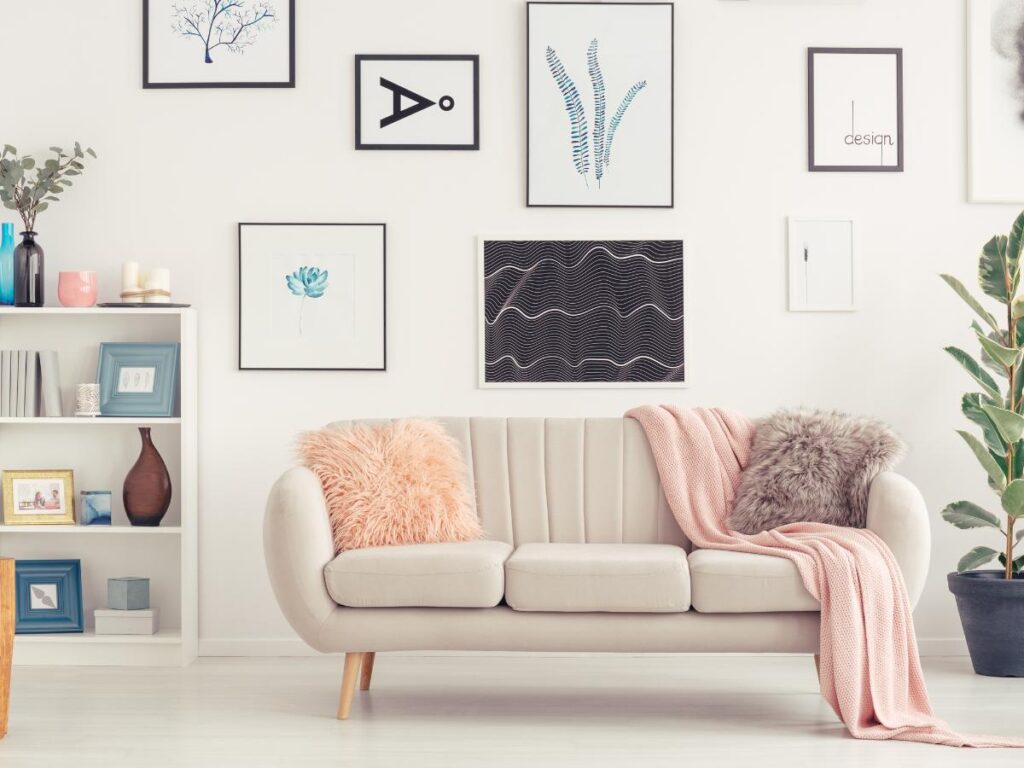
Bare walls make a room feel temporary, like the boxes were unpacked but the last step never happened. Filling them isn’t about covering every inch either. It’s about giving the eye a few places to land at the height where people actually look.
Art hung too high is the most common miss. Center it around eye level, which usually means lower than instinct suggests, and the whole wall suddenly relates to the furniture beneath it. Above a sofa, leave roughly six to eight inches between the frame and the cushions so the pieces feel connected instead of floating apart.
Mix what goes up there. Framed prints next to a woven hanging, a shelf holding a few small objects, maybe an old mirror that bounces lamplight back into the room. Personal photos earn their spot too, since nothing warms a wall like faces you recognize.
Stand back once it’s hung and the room reads finished, like it belongs to someone.
5. Layer with Rugs
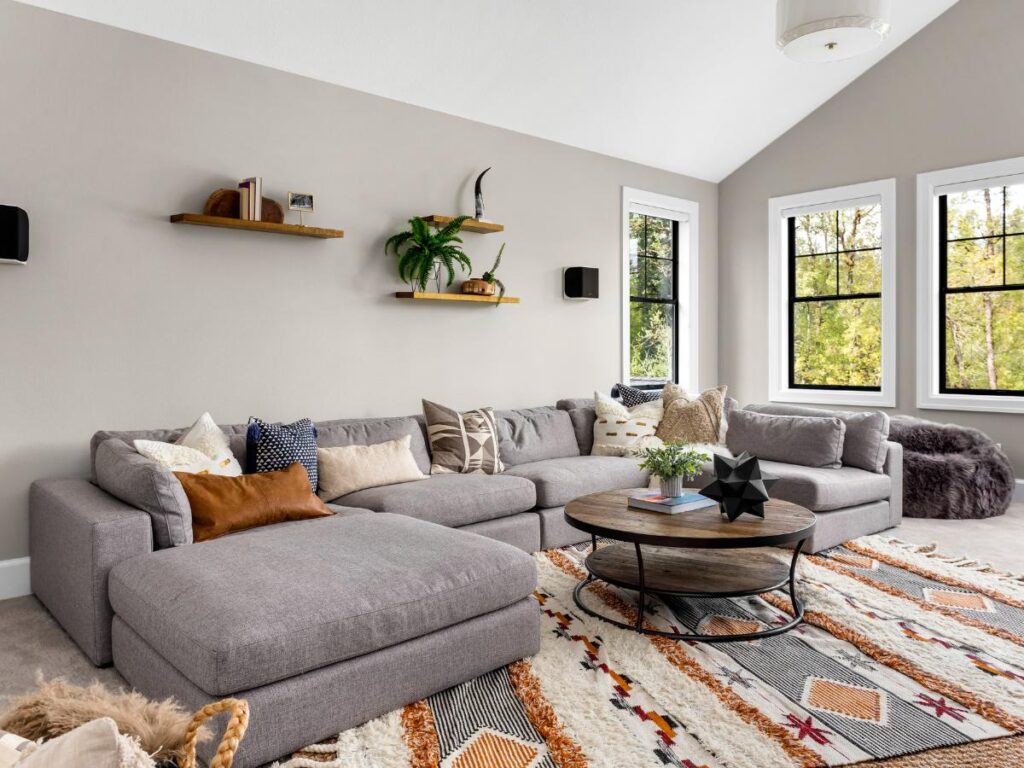
A rug does more for a cozy room than most people expect. It absorbs sound, softens the echo off hard floors, and draws the seating into one group instead of leaving chairs stranded around the edges. Bare floors always feel a little colder than they actually are.
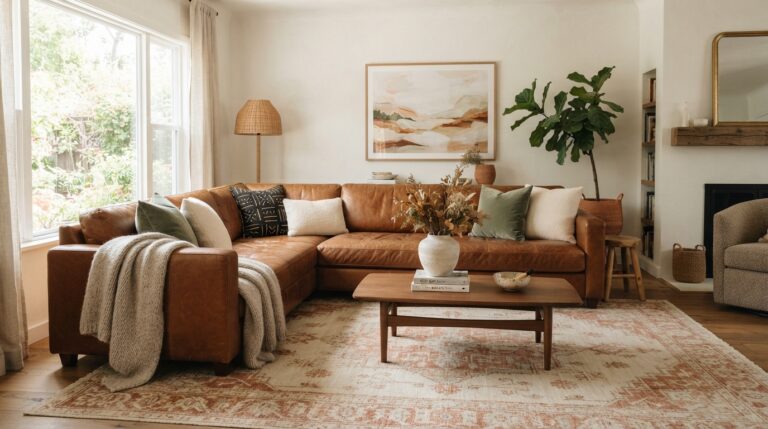
Size trips people up most often. A rug that’s too small makes the room shrink, so go wide enough that the front legs of the sofa and chairs sit on it. That single overlap ties the whole arrangement together. On carpet or a large existing rug, layering a smaller one with real texture on top adds depth without a full replacement, and it’s one of those simple life hacks worth trying when the budget is tight.
A grippy pad underneath keeps the corners flat and stops the sliding that drives everyone crazy.
6. Choose a Calming Color Palette
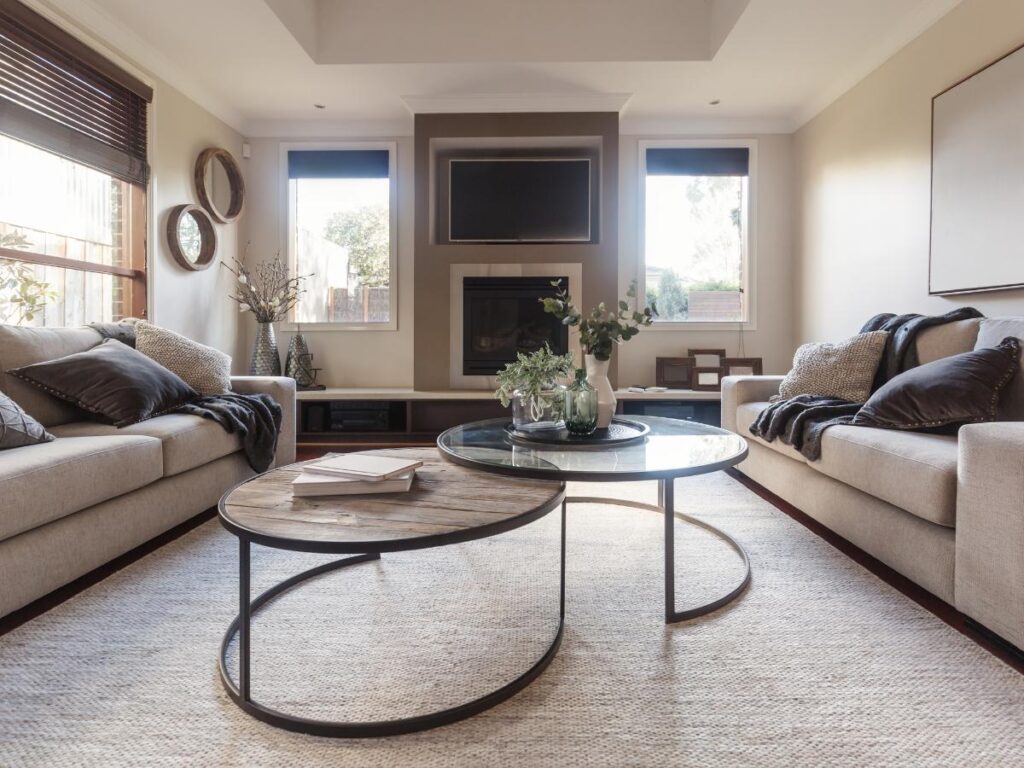
Color sets the mood before anything else in the room registers. Warm neutrals, muted greens, soft clay tones, and dusty blues all read as restful because they don’t compete for attention. Sharp brights do the opposite, which is why they rarely feel cozy no matter how nicely they’re styled.
Three colors is usually plenty. Pick one for the walls and larger pieces, a second for the seating, then a deeper accent for pillows and throws. Sticking to that structure keeps the room cohesive while still giving it somewhere interesting to look.
Undertones matter too. Warm whites next to cool grays can look slightly off, and most people feel it before they can explain why.
Get the palette right and everything else you add just seems to belong.
💡 Pro Tip: Tape paint samples to the wall and leave them there for two full days. Colors shift dramatically between morning light and lamplight, and a shade that looked perfect at noon can turn gray by evening.
7. Play with Your Seating
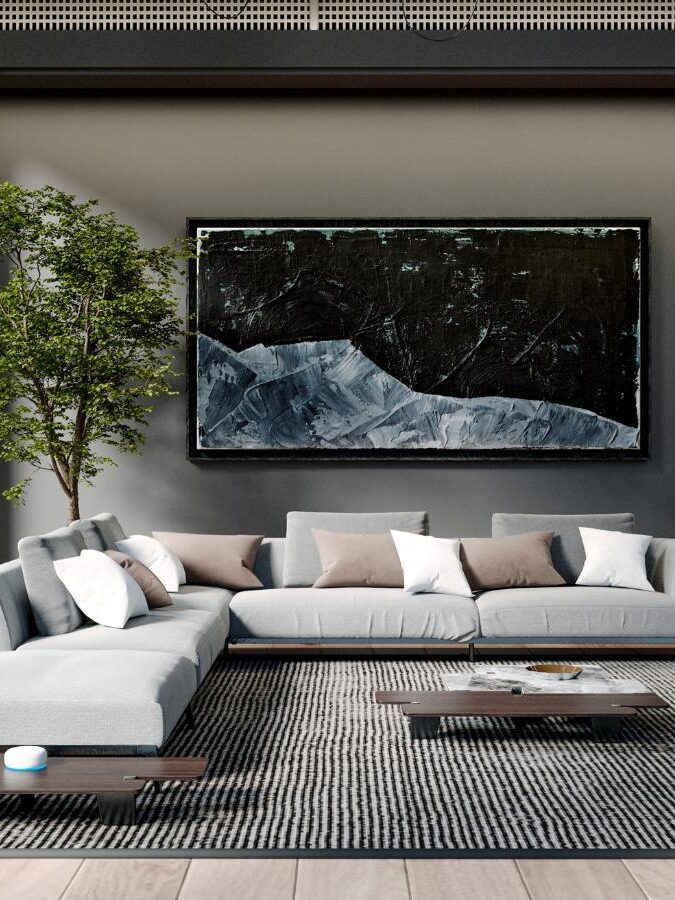
Cozy seating has less to do with the sofa and more to do with how the pieces face each other. Everything lined up along the walls staring at a screen feels like a waiting room. Angle a chair inward, pull the sofa a few inches off the wall, and suddenly the room invites conversation instead of just viewing.
Mixing shapes helps too. A structured sofa paired with a rounded chair, a low stool doubling as a footrest, maybe a floor cushion for whoever gets there last. Storage ottomans earn their keep twice over, and a few smart IKEA storage ideas turn that extra seat into a place for blankets to disappear.
Leave a walking path of about two to three feet between pieces so nobody has to shuffle sideways past the coffee table.
8. Update Your Window Treatments
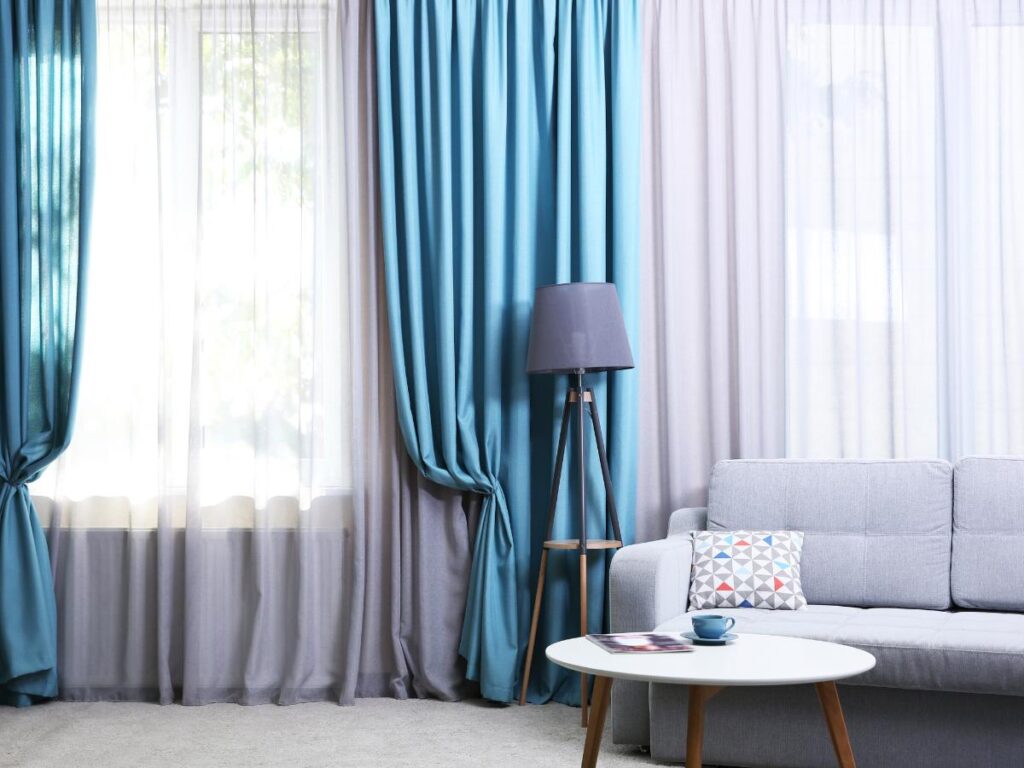
Windows are usually the biggest bare surface in a living room, and leaving them uncovered lets all the warmth leak out of the space visually. Fabric at the edges softens the hard frame of the glass and gives the whole wall a finished outline.
Hanging height changes everything here. Mount the rod several inches above the window frame rather than right on it, and extend the rod wider than the glass on both sides. The window looks taller, the ceiling feels higher, and the panels can pull fully clear during the day.
Length matters just as much. Curtains should reach the floor or come within an inch of it, since anything shorter hovers awkwardly and cuts the room off at the knees. Layering sheers behind heavier panels gives you daytime privacy without losing light.
Drawing them closed on a dark evening turns the room into somewhere you actually want to stay.
9. Incorporate Natural Materials and Textures
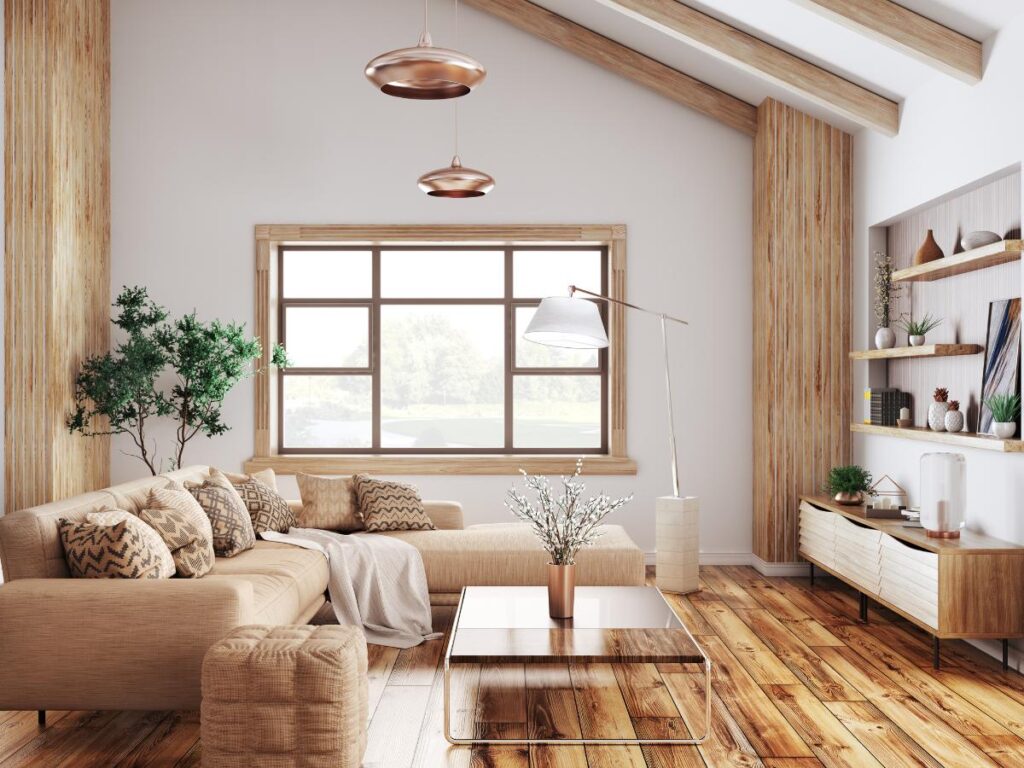
Texture is what separates a room that looks cozy in photos from one that actually feels cozy to sit in. Smooth surfaces everywhere read flat, no matter how good the colors are. The eye needs something rough, woven, or grainy to catch on.
Think wood with visible grain, a chunky knit throw over the arm of a chair, linen cushion covers that wrinkle instead of staying crisp. Stone, clay, jute, leather, wool. Each one reflects light differently, and that variation is exactly what builds depth in a space.
Mix at least three or four across the room rather than committing to one. A wooden bowl on a woven mat next to a ceramic lamp does more work than any single expensive piece.
The practical upside is that natural materials wear in rather than wear out, so the room keeps improving with use.
10. Add a Fireplace
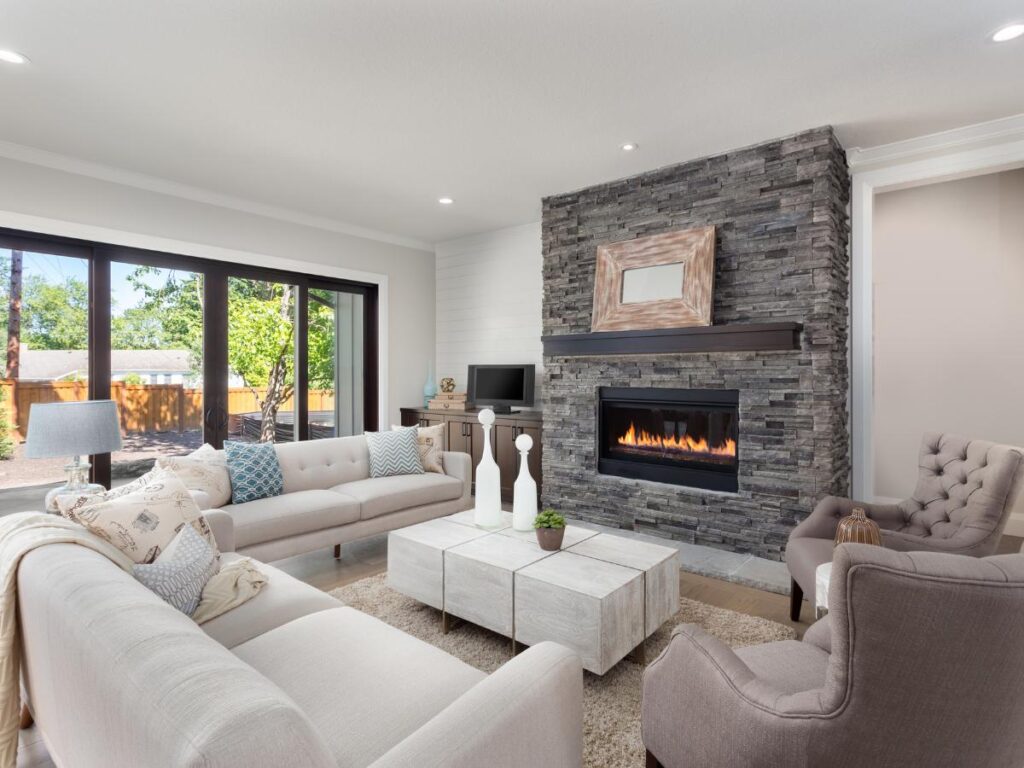
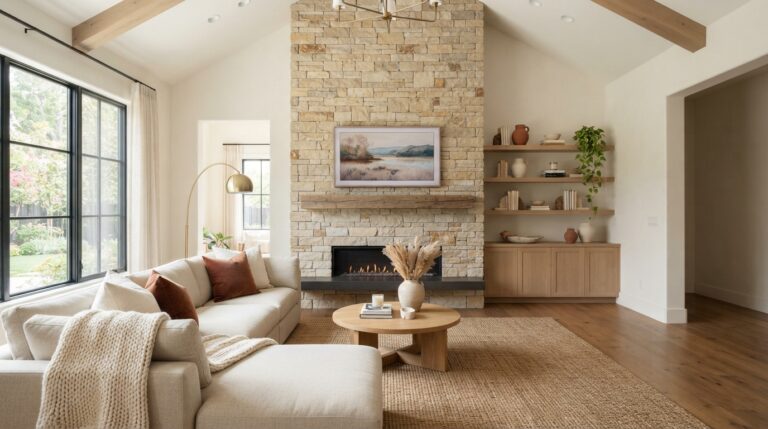
Nothing anchors a living room quite like a fire. It gives the seating something to face, throws warm flickering light across the walls, and creates a natural gathering point that no television ever manages. A built-in fireplace is the dream, but it’s far from the only route.
Electric inserts slide into a simple mantel surround and run off a standard outlet. Freestanding ethanol burners need no venting at all. Even a shallow decorative surround filled with a cluster of pillar candles delivers a surprising amount of that same glow on a quiet evening.
Whatever version you choose, treat the space above it as the focal wall. A mirror, a piece of art, or a few stacked logs beside the hearth ties it into the rest of the room.
That’s the corner everyone drifts toward once the light drops, and honestly, it’s the reason the room gets used at all.
Frequently Asked Questions
How do I make a small living room feel cozy without making it feel cramped?
Lean on light and texture instead of adding more furniture. A single tall plant, warm lamps at two or three heights, and a rug sized so the front sofa legs sit on it will do more than an extra chair ever could. Keep the walking paths clear and let the softness come from fabric rather than from filling floor space.
What’s the cheapest change that makes the biggest difference?
Swapping to warm bulbs and turning off the overhead light. It costs almost nothing and changes the entire mood of the room in about ten seconds. Clearing the coffee table runs a close second.
Should everything match for a cozy look?
No, and matching too closely is usually what makes a room feel like a showroom instead of a home. Stick to three colors as your base, then mix materials freely. Wood, wool, ceramic, and linen sitting together is what gives a space depth.
How many plants are too many?
There’s no hard number, but the room should still feel open. If you’re stepping around pots or the surfaces have disappeared under greenery, pull a few back. Two or three well-placed plants at different heights read better than a dozen crowded on one shelf.
Can I get the fireplace effect if my home has no chimney?
Yes. Electric inserts and freestanding ethanol burners both work without venting, and a decorative surround filled with pillar candles gets you surprisingly close on the glow. The point is giving the seating something warm to face.
How long does all of this actually take?
Some of it is a five minute fix, like moving lamps or rehanging curtains higher. Painting and rugs take an afternoon. You don’t need to do it in one push, and rooms honestly turn out better when they come together slowly.
What order should I tackle these in?
Clutter first, always. Then lighting, then soft layers like rugs and curtains, then color and the finishing details. Working in that order means each step builds on a room that’s already improved.
Conclusion
Cozy isn’t a style you buy in one trip. It builds up slowly, one small decision at a time, until the room finally starts doing what you wanted from the beginning.
Look back at what actually did the heavy lifting here. Clearing the clutter so the eye can rest. Trading harsh overhead light for a few warm pools of glow. Softening the floor, the windows, and the walls with things that feel good to touch. Facing the seating toward each other instead of the screen. None of it is complicated, and most of it costs less than people assume.
You don’t need all ten either. Pick the one that bothers you most right now and start there. Maybe that’s finally hanging the art at the right height, or maybe it’s just switching to warmer bulbs tonight and seeing what happens.
The best sign it’s working isn’t how the room photographs. It’s the evening you notice nobody has moved in two hours, the blankets are pulled off the basket, and leaving hasn’t crossed anyone’s mind yet.